Xiaomi reports record first-quarter revenue as it launches new electric SUV

/ Our Today
administrator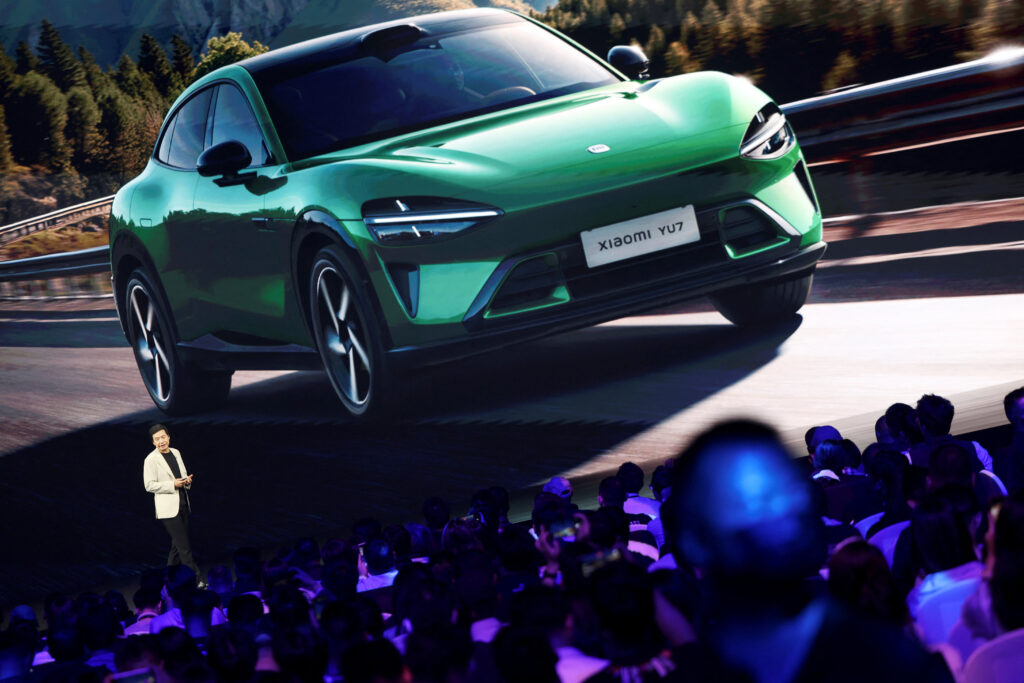
BEIJING (Reuters)
Chinese tech giant Xiaomi on Tuesday (May 27) reported record first-quarter revenue and profit, as the company said its ongoing shift towards higher-end products from smartphones to home appliances was already paying off.
Revenue for the quarter ended March 31 was ¥111.3 billion (US$15.48 billion), up 47 per cent year-on-year and beating the ¥107.6 billion average of 17 analyst estimates compiled by LSEG.
Adjusted net profit rose above ¥10 billion for the first time, jumping 65 per cent year-on-year to ¥10.7 billion, ahead of the average estimate of ¥8.96 billion, according to LSEG data.
Xiaomi president Lu Weibing told a conference call with reporters that Xiaomi’s strategy to focus on high-end products had yielded positive results.
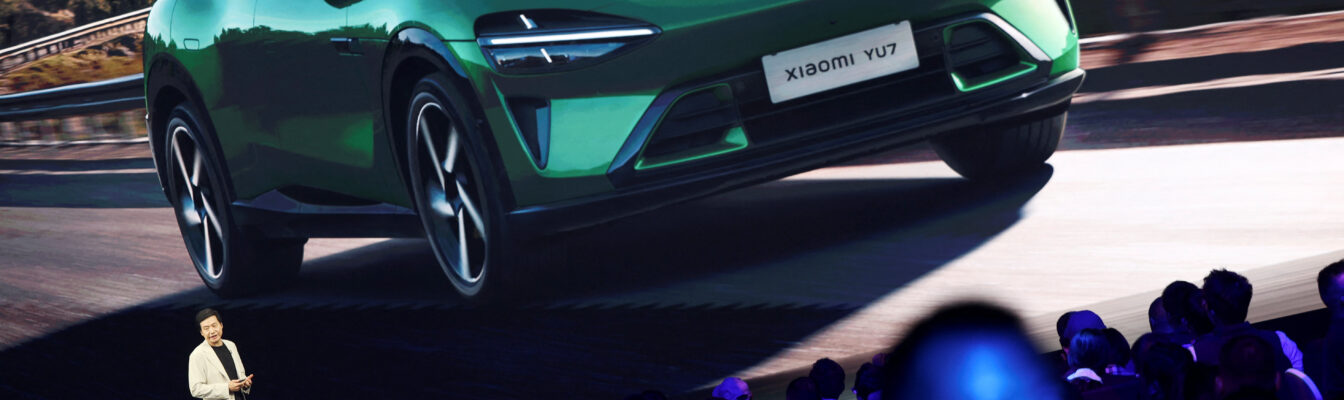
The world’s third-largest smartphone maker, whose product lines also extend to cars, announced its latest electric SUV, the YU7, last week, which it will start selling in July. Lu said feedback on the YU7 indicated it could have a broader target market than its previous model, the SU7. Xiaomi did not disclose the price of the YU7 but suggested its better configurations should make the car ¥60,000-¥70,000 more expensive than Tesla’s best-selling Model Y, which is expected to be its strongest competitor and is priced from ¥263,500 (US$36,574).
Xiaomi’s EV business generated 18.1 billion yuan in revenue during the first quarter, delivering 75,869 SU7 sedans. It posted an adjusted net loss related to its EV and other new initiatives of ¥0.5 billion. Its new EV orders have fallen since a fatal highway crash at the end of March involving an SU7 in driving-assistance mode, analysts have said.
Its problems have been compounded by customer complaints of false advertising. Xiaomi apologised earlier this month for “not clear enough” marketing. Still, the company’s shares have rebounded since April, giving it a market value of about US$170 billion, higher than the roughly US$161 billion commanded by BYD, China’s biggest EV maker, LSEG data show.
Xiaomi’s first-quarter global smartphone shipments rose three per cent from a year earlier to 41.8 million handsets, ranking it third globally, with a market share of 14.1 per cent, according to its latest financial report citing data from researcher Canalys.






Comments