
COVID-19 re-emerges with new ‘Nimbus’ strain

Al Edwards / Our Today
administrator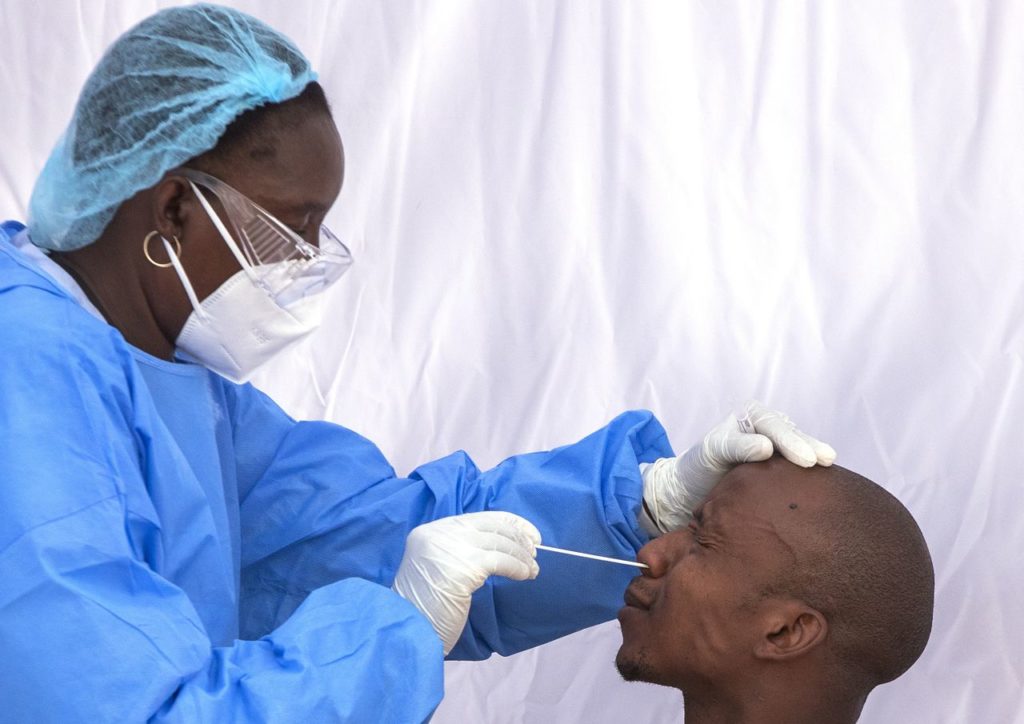
Over the last month, many people have been ill with flu-like symptoms. Headache, fever, muscle aches, coughing, sinus problems, respiratory issues, chest congestion are some of the complaints.
These are also symptoms associated with the new COVID variant, NB.1.8.1, also known as “Nimbus”, and it is spreading across the world.
Cases of Nimbus have been found in India, China, Thailand and Indonesia. The fast-spreading strain has also been discovered in both the United States and the United Kingdom.
It was said that five years after the initial coronavirus (COVID-19) outbreak, which swept the world, a more virulent strain would descend upon the world’s populations.
Could Nimbus be it?
The Trump administration has withdrawn its support from the World Health Organisation (WHO) and is not keen to fund multilateral agencies that seek to combat diseases.
It is said this new “ Nimbus” variant infects cells more efficiently than the strain encountered back in 2019/2020. It appears to be more transmissible. The Nimbus variant is expected to sweep the world this summer. Already, people in Jamaica are suffering flu-like symptoms, supposedly from the Saharan dust plumes engulfing the island. Could this really be the Nimbus variant at work here?
“Population immunity either from vaccination or previous infection is waning and, unlike other respiratory viruses such as flu, the COVID virus continues to spread in hot and humid weather,” said Professor Lawrence Young, a virologist at Warwick University.
This Nimbus strain is responsible for around 15 per cent of global COVID-19 infections, according to the WHO, a figure which is climbing.
“Variants like this pop up when the virus mutates, which is normal for viruses, especially ones that spread widely. NB.1.8.1. was first spotted in early 2025 and has since been detected in several countries, including the UK, China and the U.S. It got some new mutations that scientists are keeping a close eye on.
“NB. 1.8.1. isn’t too different from the Omicron variant, but it does have some tweaks to its spike protein, which might make it spread a bit more easily or slip past some of our existing immunity. That said, early signs suggest it doesn’t seem to cause more serious illness, but of course, we’re still learning more about it,” said Dr Chun Tang of Pall Mall Medical in Manchester.





Comments