JMEA: Port congestion threatening manufacturing sector
Josimar Scott / Our Today
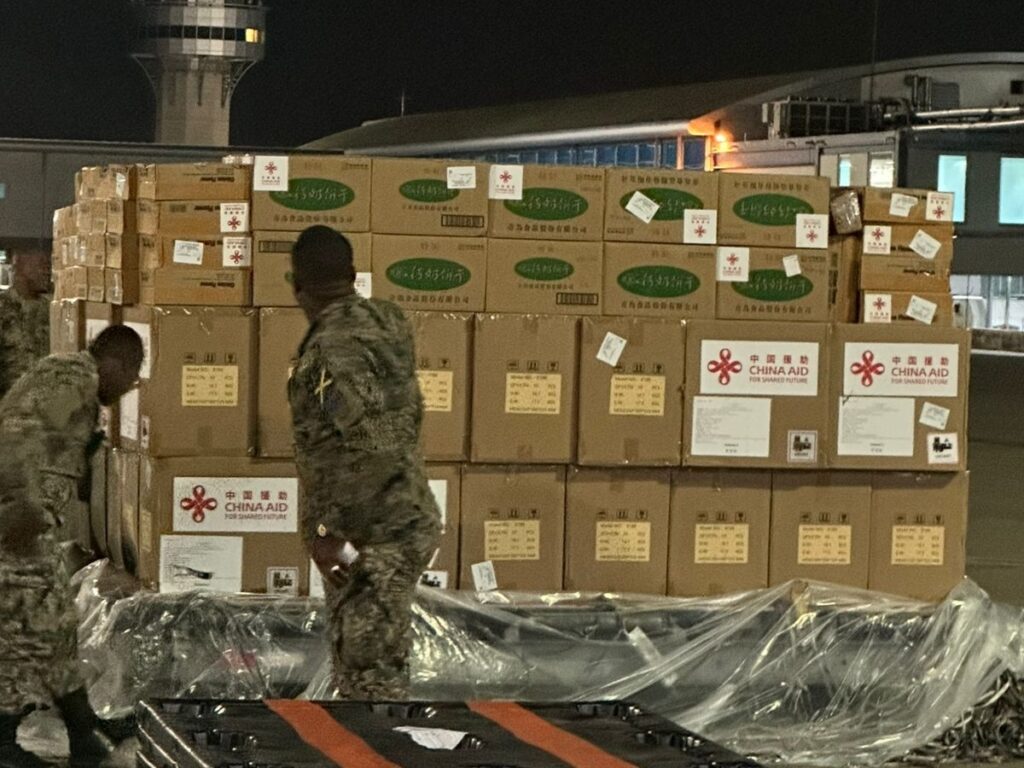
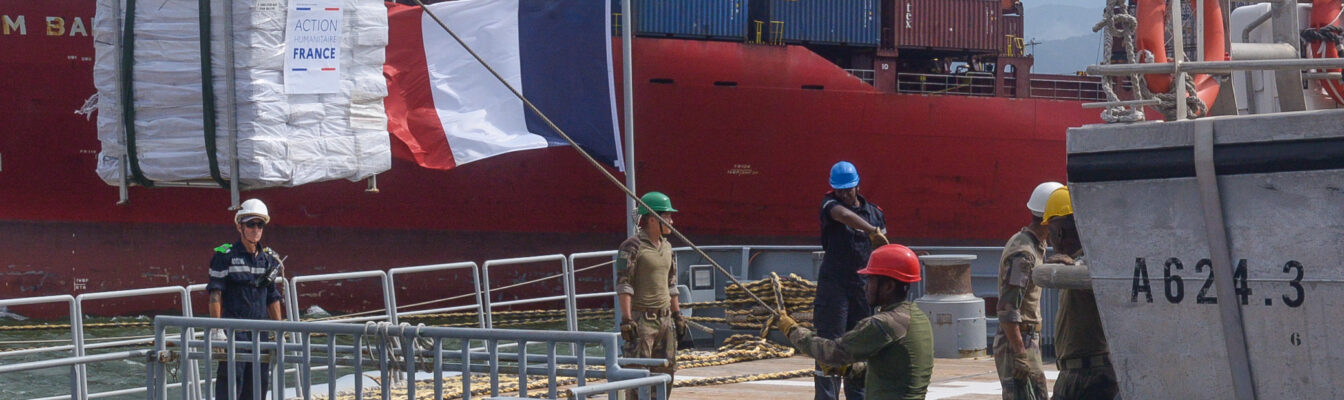
The Jamaica Manufacturers and Exporters Association (JMEA) is urging importers, including individuals and organisations with hurricane relief barrels, food supplies, and commercial shipments, to clear their goods from the nation’s ports.
The call follows the Shipping Association of Jamaica (SAJ) appealing to importers and cargo owners to take immediate action by clearing goods that were stripped from containers. The SAJ warned last week that uncollected cargo is worsening the backlog and slowing operations across the maritime sector.

According to SAJ, the “significant congestion” at Jamaica’s ports and cargo warehouses is due to the traditional holiday rush in December and the landing of post-Hurricane Melissa relief cargo since November.
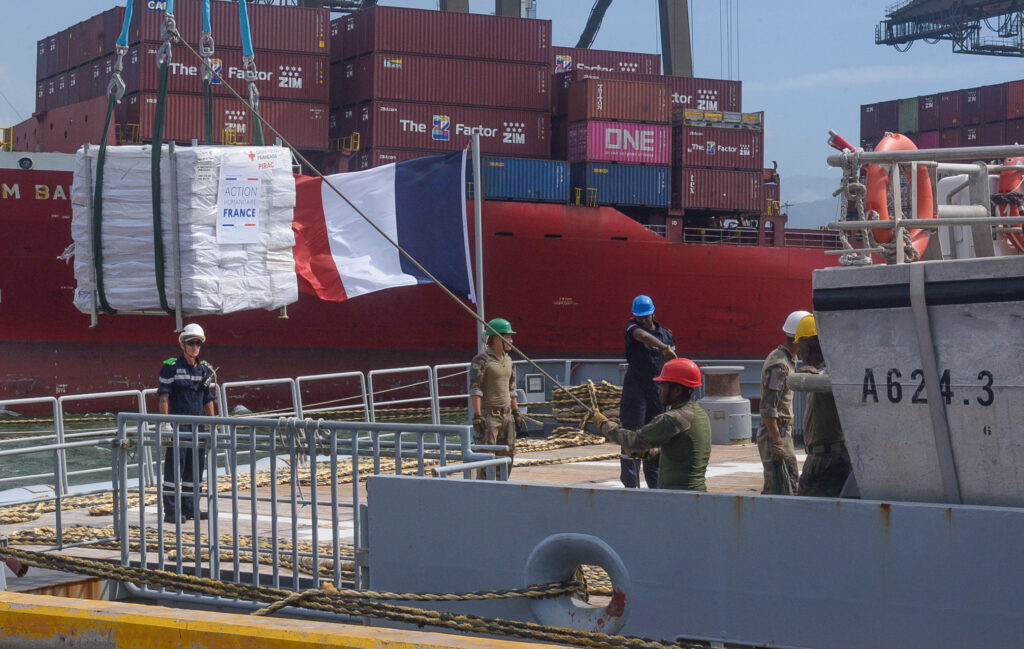
Hurricane Melissa disrupted operations across western Jamaica, delaying the collection of cargo already landed at ports. The surge of relief supplies from the diaspora and international donors, combined with peak holiday imports, created an unprecedented volume of shipments. While some cargo was diverted from Montego Bay to Kingston as a contingency, terminals in the capital continue to operate at levels above their normal capacity.
Production delays
This is now impacting the productive sector’s sourcing of necessary supplies, including raw materials.
“Worsening congestion is already delaying access to raw materials and essential supplies, slowing production schedules, and disrupting distribution across manufacturing, exporting, and retail sectors,” a press release from JMEA outlined.

It also said that while the inflow of supplies following Hurricane Melissa reflects strong national and diaspora support, the large volume of uncleared cargo at the ports is contributing to operational slowdowns as containers remain on terminals for long periods. As a result, manufacturers have limited access to secure raw materials, packaging, and other critical inputs, leading to production delays, missed delivery timelines, and higher storage and demurrage costs.
“Manufacturers operate on tight schedules, and any delay in accessing essential supplies quickly translates into slower output, added operational costs, and disrupted deliveries,” explained Kathryn Silvera, president of the JMEA.

“These bottlenecks ripple through the economy, affecting not just businesses, but the everyday goods Jamaicans rely on.”
Avoiding additional charges, improving supply chains
However, the timely collection of barrels and shipments will help importers avoid additional charges and free up valuable port space, which is critical to ensure that factories, distributors, and exporters can continue to operate efficiently.
Businesses also benefit from the reduced demurrage and storage charges, and their access to raw materials and supplies fosters strong supply chains for Jamaica’s tourism and retail sectors while keeping costs from being passed on to consumers.
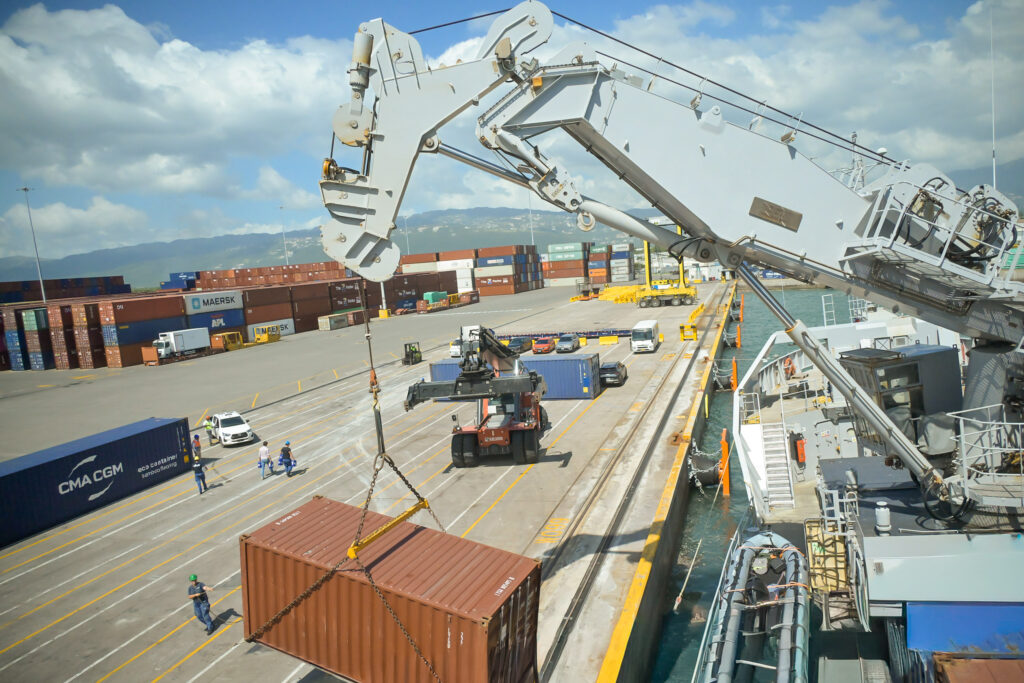
To address the backlog at the ports, the JMEA has engaged port operators, urging them to process cargo more quickly, implement congestion-relief measures and share clearer guidance for importers. Industry stakeholders have noted that expired Unaccompanied Baggage Allowance (UBA) or “yellow form” documents have contributed to delays in clearing personal and relief shipments.
JMEA emphasised that restoring efficient port operations is essential for stabilising supply chains and supporting Jamaica’s post-hurricane recovery.
In like manner, Corah Ann Robertson-Sylvester, SAJ president, noted, “All institutions within the maritime sector, including government agencies, are working together to resolve this issue. Some businesses have even extended their operating hours to facilitate faster clearance, but we need cargo owners to come forward and collect their goods.”

“This is a moment for collective action. Importers, individuals, and organisations must act quickly to clear goods from the ports. Doing so will help stabilise supply chains and support businesses that Jamaicans depend on every day,” Silvera added.






Comments