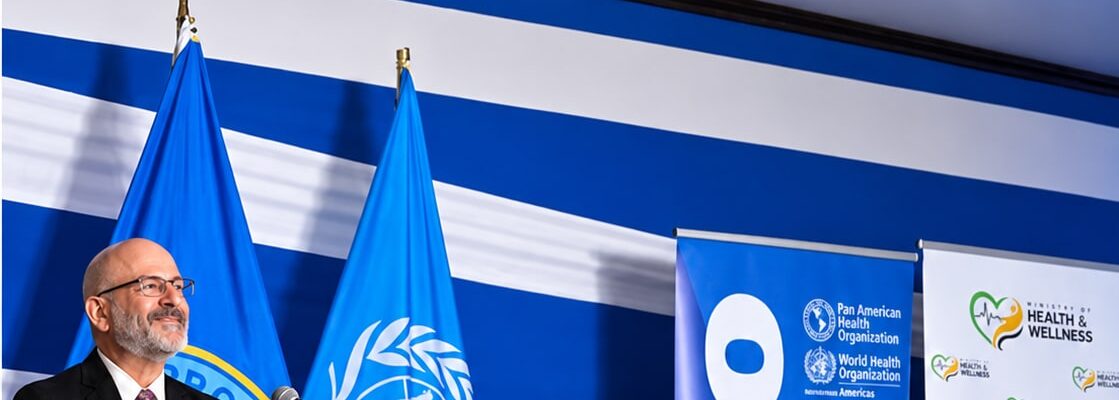
Jamaica undergoes Voluntary External Evaluation Health Regulations

/ Our Today
administrator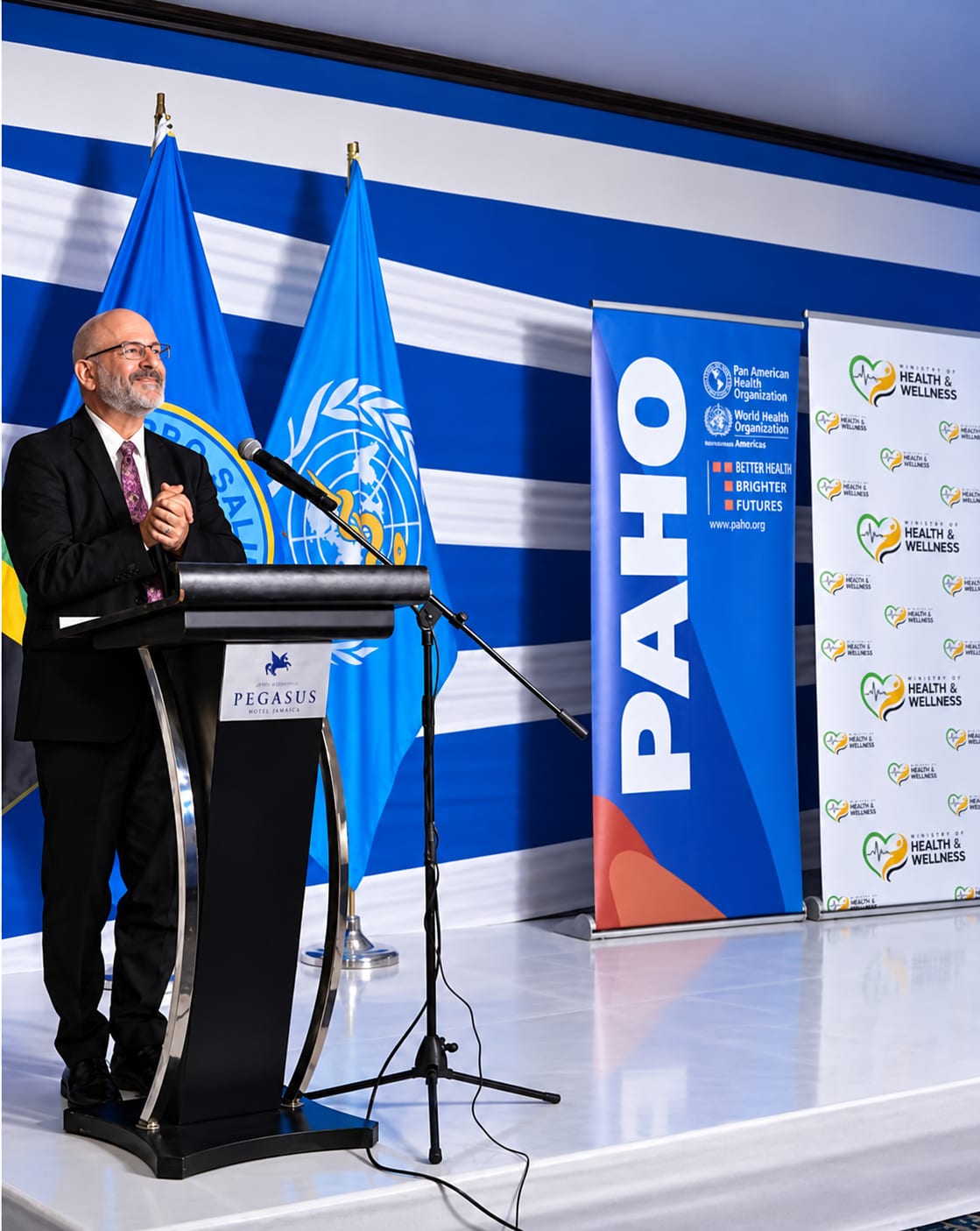
Jamaica and International Experts Join Forces to advance health security
Durrant Pate/Contributor
Jamaica recently undertook a Voluntary External Evaluation (VEE) under the International Health Regulations (IHR) to support its continued efforts to strengthen health and wellness preparedness.
This is in light of the fact that Jamaica faces a range of endemic, emerging, and cross-border public health threats, with high levels of international travel adding to the complexity of protecting its population. The evaluation provides an independent and collaborative review of the country’s capacities to prevent, detect, and respond to public health threats, helping to align and validate Jamaica’s national self-assessment against international standards.
The mission also included a review of the National Expanded Programme on Immunisation (EPI). The mission brought together international experts and national authorities from across government ministries, departments, and agencies, reflecting the multisectoral nature of public health preparedness.
Jamaica’s IHR implementation
Beyond the Ministry of Health and Wellness, Jamaica’s IHR implementation draws in sectors including agriculture, environment, transport, tourism, national security, foreign affairs, and science and technology, among others. The recommendations from the external evaluations will help identify priority areas for investment and improvement, while strengthening coordination across government and supporting Jamaica’s continued efforts to build a more resilient and prepared health system.
The mission officially opened last week with an overview of the IHR VEE Plus Immunisation Mission process, an introduction to the mission team and national authorities, and a presentation of the Mission’s immunisation recommendations. National and international experts launched the capacity evaluations over the course of four days, covering 15 core areas: legislation, IHR coordination, financing, human resources, surveillance, laboratory systems, points of entry, risk communication and community engagement, health emergency management, health services provision, infection prevention and control, zoonotic diseases, food safety, chemical events, and radiation emergencies.
Early visits to the National Health Fund Vaccine Storage Facility, two primary health care facilities in Kingston, Kingston Freeport Terminal Limited, and Norman Manley International Airport provided important context for the evaluation.
They enabled the Immunisation and Points of Entry teams to examine how national policies, procedures, infrastructure, and coordination arrangements operate in practice—from safeguarding vaccine quality and delivery at the community level to detecting and managing public health risks at designated points of entry.
Field visits
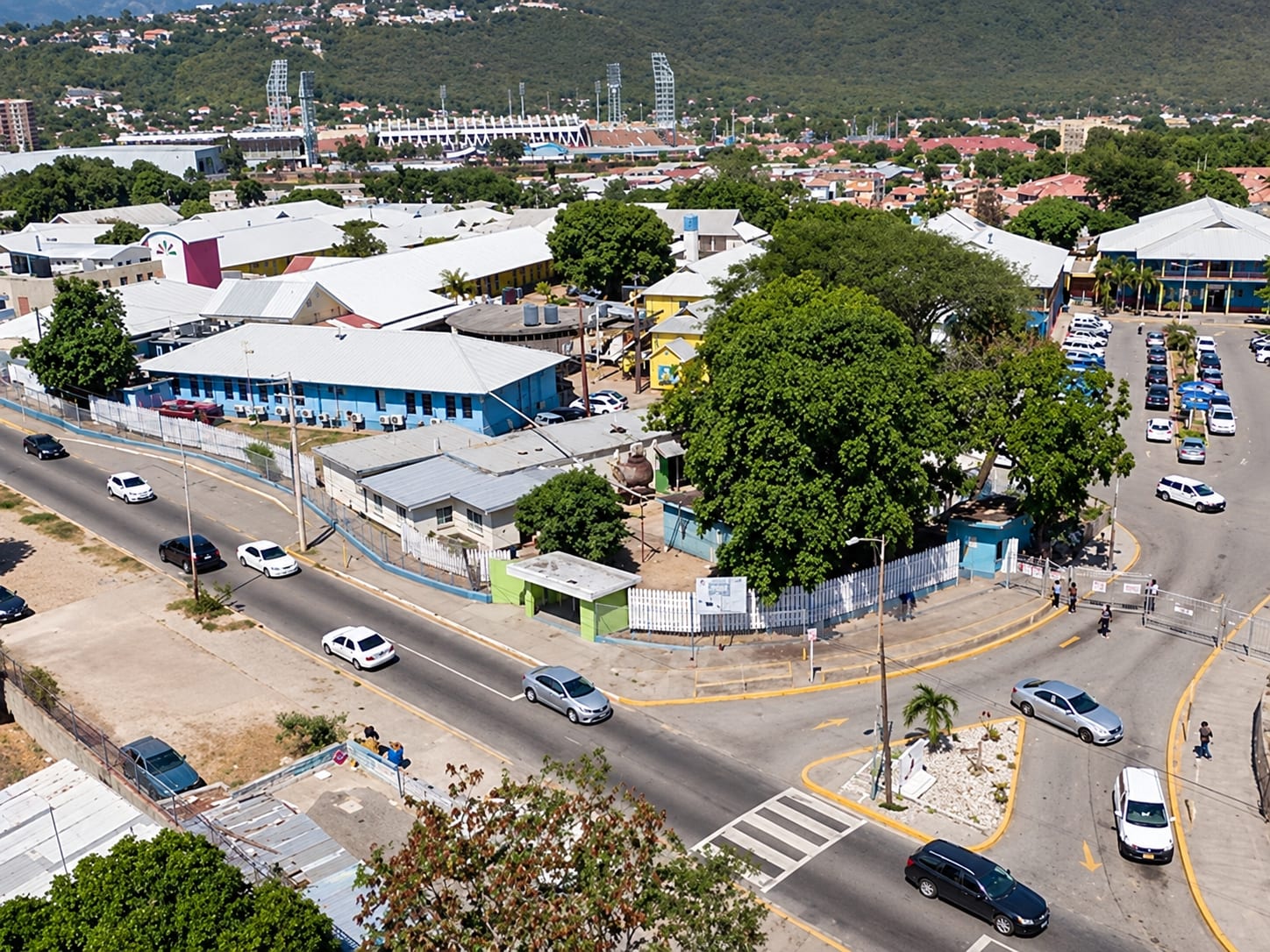
Later visits to the National Public Health Laboratory, Veterinary Services Division Diagnostic Laboratory, and Bustamante Hospital for Children provided further insight into Jamaica’s capacity to detect priority health threats, as well as essential operational evidence to complement Jamaica’s self-assessment and support recommendations grounded in the country’s implementation context.
Jamaica has been a State Party to the IHR since the Regulations came into force in 2007 and has steadily strengthened the capacities required by the framework. That commitment runs through national health planning: the Vision for Health 2030 Plan named IHR capacity-building a priority, while the Primary Care Reform Plan 2021–2030 built IHR core capacities into the health system.
The COVID-19 pandemic and Hurricane Melissa tested those capacities, exposing both strengths and vulnerabilities in Jamaica’s health system and underscoring the need to sustain preparedness both during emergencies and in the periods between them.
The Cabinet approved Jamaica’s participation in the VEE in March 2025 with the evaluation intended to inform an evidence-based action plan for health security. Originally scheduled for late 2025, the evaluation was postponed following Hurricane Melissa.
The disruption itself underscored the importance of the resilience and preparedness capacities the VEE is designed to assess. Jamaica completed the evaluation this year, reaffirming its commitment to strengthening health security.

Modernising and strengthening Jamaica’s health system
Speaking at the opening ceremony, Minister of Health and Wellness, Dr. Christopher Tufton, emphasised that the evaluation comes at an important time, as Jamaica works to modernise and strengthen its health system in response to changing population needs and emerging health threats. He stressed that health risks do not stop at national borders, making a global and “One Health” approach essential to protecting population health.
Drawing on lessons from the COVID-19 pandemic and Hurricane Melissa, Minister Tufton underscored the importance of strengthening Jamaica’s resilience and preparedness. He also pointed to technology as an opportunity to improve cross-border collaboration and strengthen the delivery of healthcare.



Comments