
Barbados courts non-traditional partners for tax and investment treaties as ownership filing deadline nears

/ Our Today
administrator
Barbados is in informal talks with an unnamed European country on both a double taxation agreement (DTA) and a bilateral investment treaty (BIT), as the government looks beyond its traditional partners to widen its treaty network.
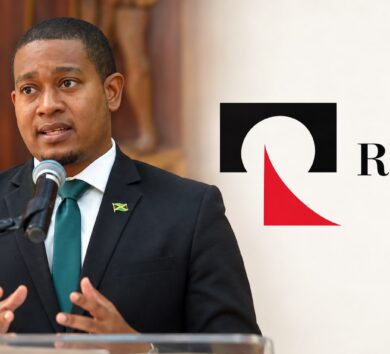
Kevin Hunte, Permanent Secretary in the Ministry of Energy, Business Development and Commerce, told reporters on Wednesday that officials had spent considerable time trying to bring the European state to the table. Speaking at the media launch of Global Business Week, he said treaty expansion remained a priority. His ministry is working with the Ministry of Foreign Affairs, the Prime Minister’s Office and Cabinet to settle on target countries.
Hunte said investment treaties were now drawing more interest than tax treaties, citing changes in international tax structures.
Sangene Watkins-Diagne, Director of the ministry’s International Business Unit, said Barbados already had agreements with its main trading partners and was now turning to less traditional jurisdictions. The government has a list of priority countries, she said, but progress depends on each one agreeing to negotiate. She declined to name the European country, saying the talks were unofficial and no deal had been reached. A first agreement, she suggested, could bring others along.

The unit is working with Pascal Saint-Amans, a consultant to the Prime Minister and former head of tax policy at the OECD. Watkins-Diagne also pointed to Barbados’s recent removal from Spain’s tax blacklist, secured with help from Spain’s Honorary Consul and the Barbados Revenue Authority, and invited investors and service providers to suggest countries where a treaty would benefit their clients.
Ownership filing deadline
At the same event, officials pressed every company registered in Barbados, not just international business entities, to file beneficial ownership information before a November deadline under the new Beneficial Ownership Transparency and Register Act, 2026.

Hunte said all legal persons incorporated or registered on the island must identify the individuals who ultimately own or control them, hold those records at their registered office, file them with the registry and confirm them each year. Filings will not count as complete until verified, he said, and the law provides for administrative penalties and, ultimately, striking off.
Legal advisories indicate the Act took effect on September 1, giving existing entities three months to file. Anyone holding at least 20 per cent of shares, voting rights or partnership interests must be registered as a beneficial owner.
Watkins-Diagne said the response from smaller firms had been weak. Companies earning under BDS$1 million, and limited partnerships without a corporate service provider, file through Business Barbados, where staff can assist. She urged firms that are behind on annual returns not to let that hold up their beneficial ownership filings.
Hunte cast the register as a question of reputation, telling reporters that transparency is now “the price of admission” for jurisdictions seeking international business. Barbados must demonstrate the framework’s effectiveness to international peer reviewers by June 2027, according to earlier reporting.
Global Business Week takes place October 22 and 23 at the Wyndham Grand Barbados Sam Lord’s Castle.





Comments