
Jermaine A. Robinson | Enough Is Enough: Who Is Protecting Jamaican Brands in Foreign Markets?

/ Our Today
administrator
Enough is enough.
Jamaican companies have built internationally recognised brands, yet our approach to foreign market expansion still focuses heavily on securing distributors, generating export sales, and getting products onto overseas shelves.
But who is protecting the brand once the product leaves Jamaica?
The recent USDA public health alert involving Grace Chicken Vienna Sausages exposes an important vulnerability. Products manufactured in Jamaica entered the United States despite the country being ineligible to export poultry products to that market.
GraceKennedy clarified that it had not authorised the exports. The alert concerned regulatory eligibility, not a confirmed manufacturing defect. Nevertheless, the Grace brand became associated with international regulatory scrutiny.
Now consider a more troubling question.

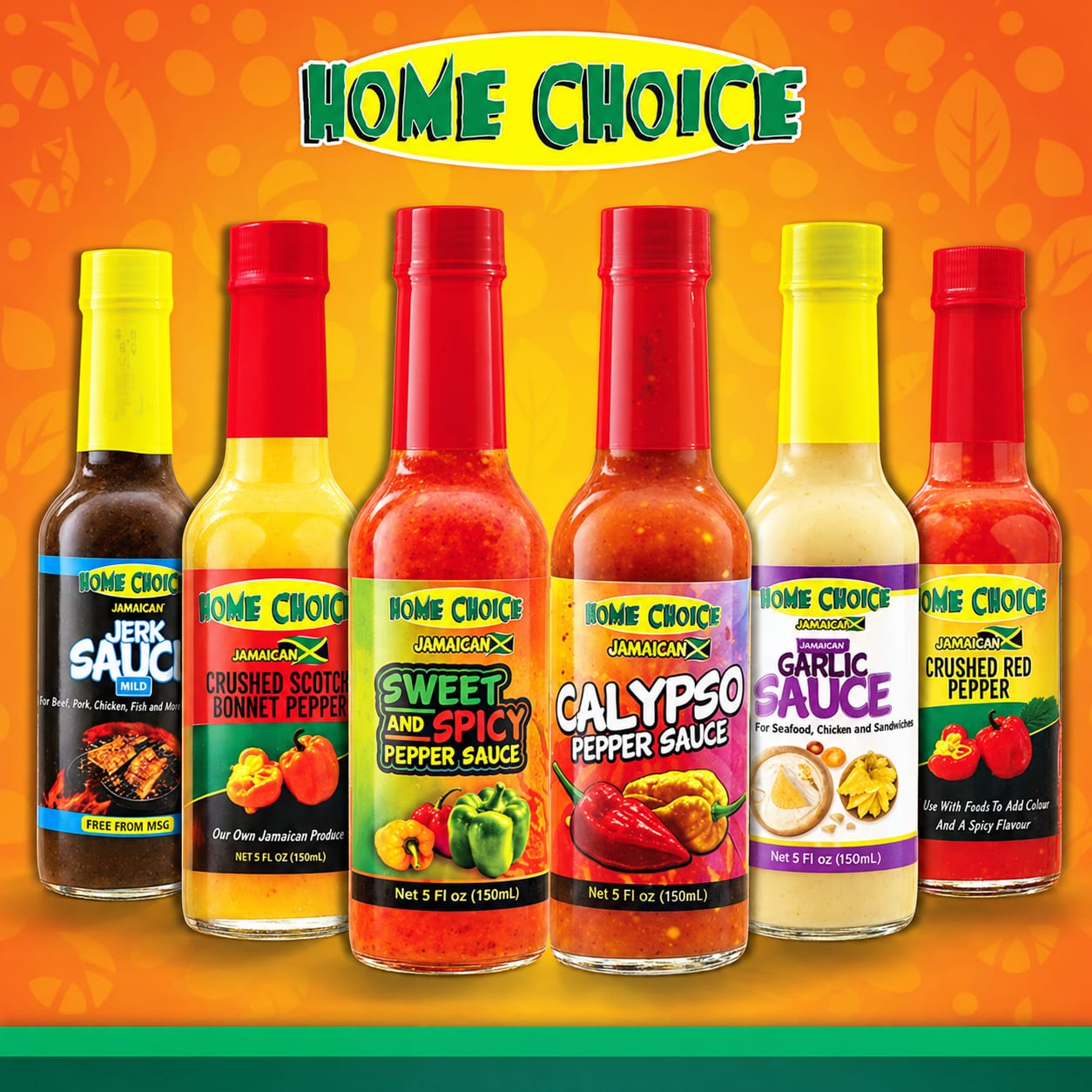
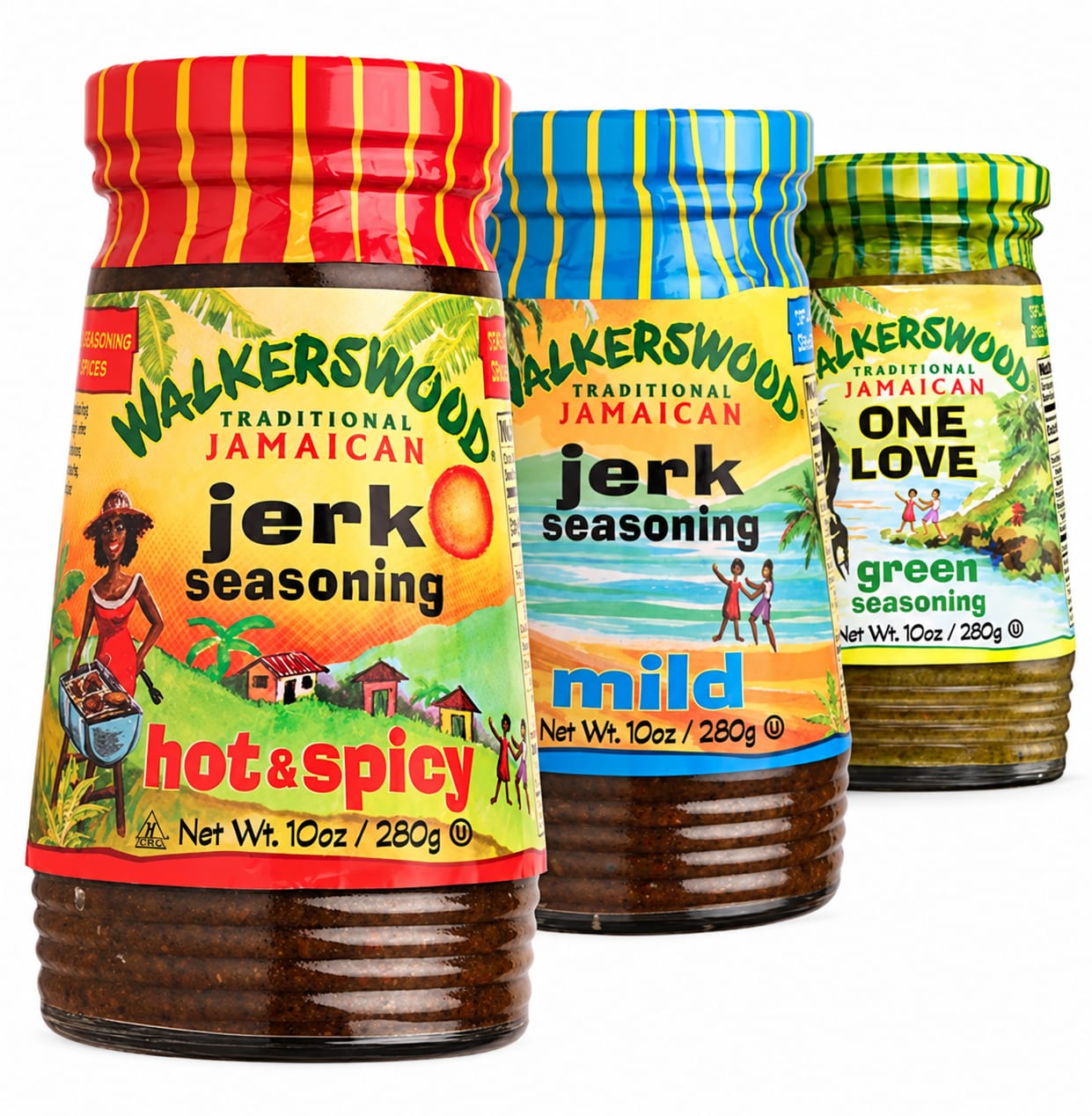
Could smaller Jamaican brands such as Home Choice, Walkerswood, or Spur Tree Spices withstand the financial and reputational consequences of a similar incident?
These companies are not implicated in the Grace alert. However, the question is especially relevant for exporters that depend heavily on foreign markets.
Spur Tree Spices, for example, reportedly generates approximately 90% of its revenue from exports, with the United States accounting for 70% of those export sales. That places approximately 63% of total revenue in one foreign market.
A significant disruption affecting American distribution could therefore create substantial financial exposure, depending on its duration and scale.
The underlying weakness is structural.
Jamaican manufacturers frequently depend on overseas distributors to manage inventory, regulatory compliance, retail relationships, and customer experience. Once the export transaction is completed, the manufacturer may have limited visibility into how its products are handled or represented.
The distributor controls much of the customer experience, but the Jamaican company owns the brand and bears the associated commercial risk.
Having managed complex distribution and third-party logistics operations in the United States, I recognise the importance of independently verifying supply chain performance rather than relying exclusively on distributor assurances.
A manufacturer should know where its inventory is located, whether products reach retailers consistently, how it meets regulatory requirements, and whether distribution performance is protecting customer relationships.
For Jamaican companies, I recommend a different approach.
Stabilise: Establish control over foreign distribution relationships through formal due diligence, including Dun & Bradstreet D-U-N-S verification, financial capacity assessments, regulatory authorisation checks, and evaluation of distribution capabilities. Purchasing large quantities does not automatically qualify a company to represent a brand as an authorised distributor. Authorisation must be supported by verified capabilities, clear commercial agreements, and defined market responsibilities.
Standardise: Establish consistent governance through contractual reporting rights, distributor scorecards, inventory reconciliation, and measurable service obligations. Apply recognised standards such as the ASCM SCOR framework and GS1 traceability principles to improve supply chain visibility, product accountability, and performance verification.
Scale: Expand market coverage only when existing distribution arrangements demonstrate regulatory compliance, reliable inventory control, consistent customer service, and sustainable financial returns.
This requires qualified professionals operating within foreign markets who understand local regulations, distribution economics, inventory governance, and customer expectations.
Smaller exporters can access this expertise through independent market representatives or shared professional services without establishing expensive overseas subsidiaries.
Jamaica’s export strategy must evolve from securing overseas buyers to professionally managing the markets where our brands compete.
Legal responsibility and commercial exposure are not always the same.
A manufacturer may complete the sale and transfer ownership of its inventory, but a damaged reputation, lost retailer confidence, or disrupted market can threaten years of brand investment.
Exporting builds international presence. Professional foreign market management protects the business behind the brand.
Jermaine A. Robinson, MBA, CSCP, is a U.S.-based supply chain and business management professional and Founder of Tenyah, a supply chain intelligence firm focused on supply chain governance through data-driven intelligence and verification.



Comments