British government continuing with austerity measures despite promises to end budget cuts

/ Our Today
administratorAdditional cut of £4 billion added to £12 billion already cut 4 months ago
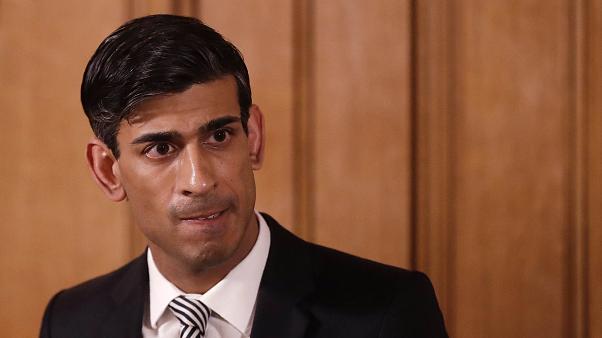
The British government has unveiled another round of budget cuts with the latest slash amounting to some £4 billion spread across various departments.
The budget cuts announced yesterday by Rishi Sunak, chancellor of the Exchequer, comes four months after £12 billion cut with most government services to be affected except health, defense and education.
This series of austerity measures is not expected to go down well with electors, who voted British Prime Minister Boris Johnson into power in 2019 on a pledge to “level up” poorer regions and end years of budget cuts introduced by then Chancellor of the Exchequer George Osborne.
The austerity measures were imposed by Osborne to tackle what was at the time a record budget deficit following the financial crisis, but these measures have made life more difficult for common Britons with the situation being exacerbated by the COVID-19 pandemic.

Britain is said to be facing the highest tax burden since Roy Jenkins was chancellor.
However, Sunak, in his latest budget adjustments, is attempting to combine stimulus this year with plans for spending cuts amounting to billions of pounds. The overall tax burden is on course to reach the highest since the late 1960s.
National Health Service and education to be spared any cut
Some analysts have questioned whether the current spending plans can be delivered, given the pressure to increase resources for the National Health Service and education in light of the pandemic, which is eating up much needed financial resources. These analysts have argued that the tax policies being rolled out by the Conservative government will lead to even larger tax rises to put the debt burden on a downward trajectory.
However, in broadcast interviews yesterday, Sunak defended his budget plans, declaring that the Johnson administration has increased day-to-day and capital spending by almost £70 billion since being elected.
The Institute for Fiscal Studies carried out an analysis of the British government’s budget, concluding that the so-called unprotected areas will see their budgets fall by around one per cent in real terms in 2022-23. The Institute added that this imposes a further plight on departments such as the Home Office and the Ministry of Justice that bore the brunt of Osborne’s austerity experiment.




Comments