

ABMs across Jamaica spluttering but not delivering

It’s the second day of the New Year, the festivities are over and it’s time to get back to work.
To do so means having cash to go about your daily business.
It doesn’t seem like the banks got the memo with many ABMs throughout the country proving ineffective today, leaving plenty of Jamaicans frustrated. It is a headache to drive around looking for a machine that works.
Senior banks and top government officials say Jamaica must embrace technology and the digital age. The banks no longer want customers in their buildings doing transactions. One must now go online or use their ABM card. It’s the way of the world.
Very well, but it is incumbent on the banks to ensure ABM machines are operational and that customers can get access to their funds.
Last year saw banks reticent about putting in place more ABMS and upkeeping them largely due to the country’s high crime rate and increasing robberies at ABM points. Then you have cyber breaches and tech-savvy robbers getting the best of the banks which fail to adequately put security measures in place. They see such expenditure as burdensome capital and operational costs.
The fact remains cash is king in Jamaica and one is better off keeping it under your bed than putting it in a bank where you can’t readily gain access to it via ABMs.
If you took out a lump sum of cash to tide you over the Christmas season, you would be better off and not have to traverse the streets of Jamaica in search of a working ABM.
Today, there are plenty of disgruntled people at these enclaves having to turn away empty-handed and muttering under their breath.

One man at Loshusan sighed, “The fees go up but the service keeps going down. Let me try Half-Way Tree.”
That about sums it up.
A Beryllium guard attending to an ABM machine at the bottom of Jack’s Hill in St Andrew explained: “Unfortunately at this time of the year, people are drawing out hard from the machines. The banks haven’t had the opportunity yet to replenish the ABMs. Their staff will be getting back to work later this week. I see a lot of people vex. I understand it.”
Last year, a policy in the UK was implemented that free cash withdrawals and deposits should be made available within one mile for people living in urban areas and three miles for those in rural areas.
The Treasury insisted that ATM or face-to-face services should be readily available, thus allowing the most vulnerable to access their cash.
It insisted that if a machine or branch closes down, a replacement service should be installed before the closure takes place.
Now, wouldn’t that be a wonderful approach by the banks of Jamaica!
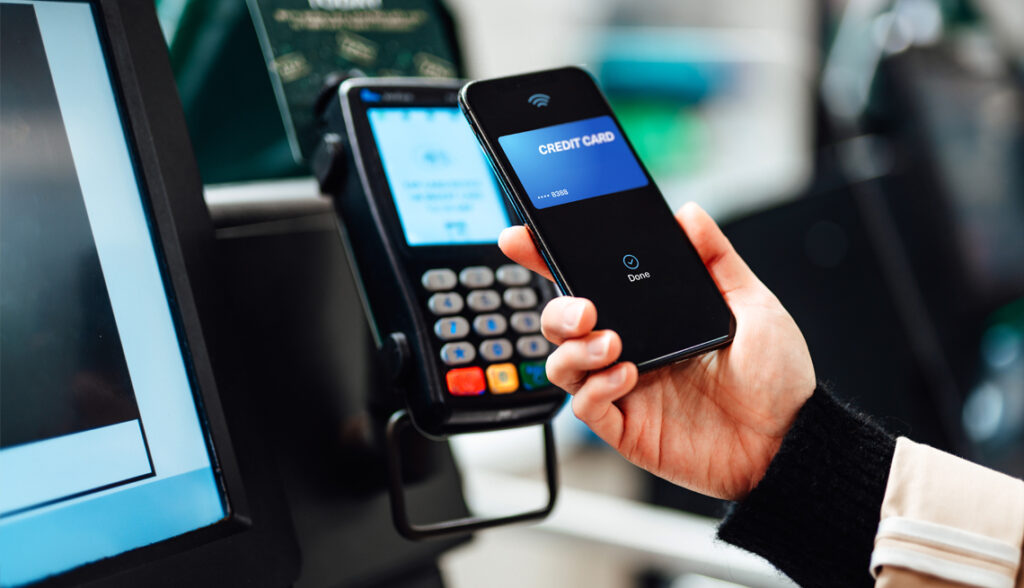
The UK, like Jamaica, is seeing many bank branches closing with people not having access to services. The banks say technology, particularly apps, are the way to go but large swathes of the population, particularly those over 50, are not au fait with digital banking nor are they computer literate.
With fraud and scams increasing in Jamaica, there may very well be a lack of trust in digital banking. When it comes to money, people want to be sure and have no doubt or reservation.
Deputy Governor of the Bank of Jamaica and General Counsel Celeste McCalla makes a good point when she said a few years back, “For all our acceptance of the electronic products and all the ATMs, all the electronic products that we have around the place and the cards etc, at the end of the day, we really trust what we can feel.”
Cash is still king in Jamaica and the banks would do well to be cognisant of that.
“Cash is here to stay. People shouldn’t have to trek for hours to withdraw a tenner to put in someone’s birthday card. nor should businesses have to travel large distances to deposit cash takings.
“These are measures which benefit everyone who uses cash but particularly those living in rural areas, the elderly and those with disabilities,” said Andrew Griffith, economic secretary to the UK Treasury.
Many banks in Jamaica point to the COVID pandemic as to why the move to cashless options will take hold. Jamaicans still prefer cash, according to the Bank of Jamaica.
“Payment trends generally tend to change slowly, as we all form habits about the way we pay for things and these don’t change easily ,” said head of research at UK Finance, Adrian Buckle.

A 2020 study by Mastercard found that only 42 per cent of Jamaicans use credit and debit cards for their purchases.
There is around J$250 billion in cash circulation in Jamaica today, which underscores its importance in daily lives here. Jamaica is a cash-based economy.
It is obvious that Jamaicans still depend on cash and need access to it quickly.





Comments