Growth in remains modest: Latest assessment by World Bank

/ Our Today
administrator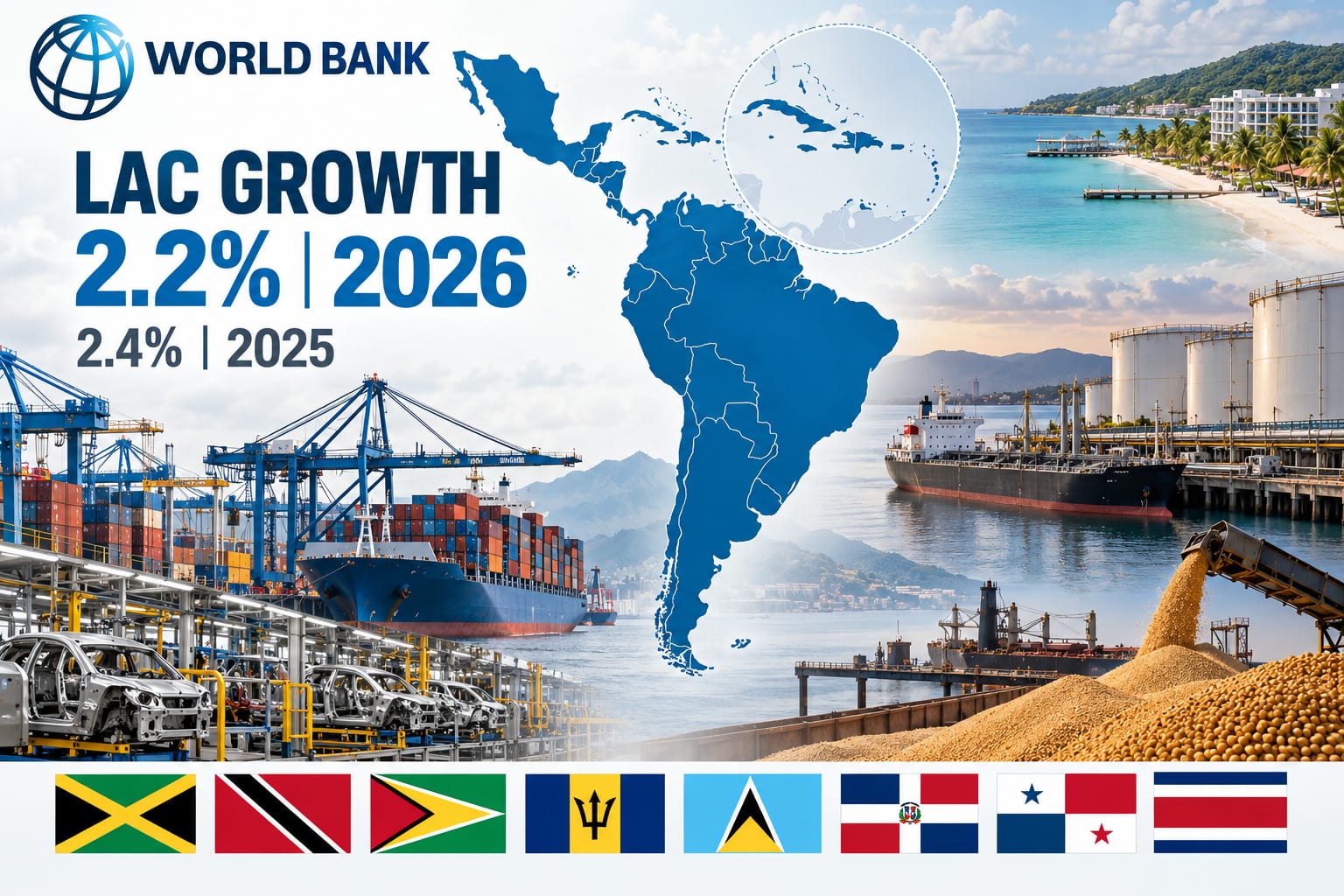
Diverging growth paths amid modest regional performance
Durrant Pate/Contributor
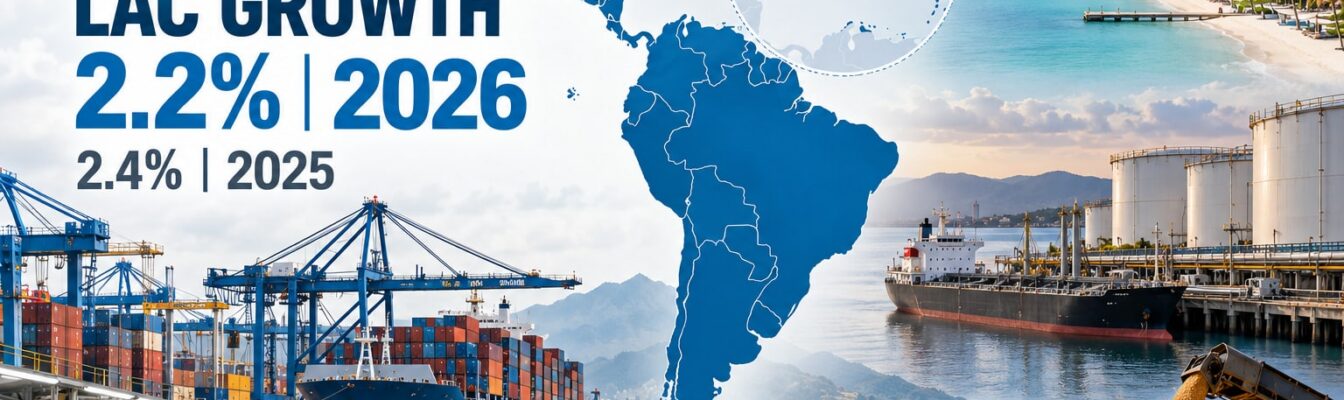
The World Bank in its latest economic assessment, is reporting that growth in Latin America and the Caribbean (LAC) remains modest, with the most recent projection showing an expansion of 2.2 per cent in 2026, broadly in line with 2.4 per cent in 2025.
The World Bank’s assessment is, ” This is a sign of resilience in absorbing external shocks. Beneath the regional average, paths diverge. Countries making sound and durable policy choices are delivering stronger results: faster growth, more investment, and greater market confidence. In this regard, commodity exporters have benefited from still-high prices and manufacturing exports have held up despite trade policy volatility.”
These occurrences are happening while food- and energy-importing economies, particularly in the Caribbean, face higher import costs and softer tourism demand. Across the region, elevated global uncertainty, restricted fiscal space, and high real borrowing costs weigh on private demand. Risks remain tilted to the downside.
Advancing food and energy prices
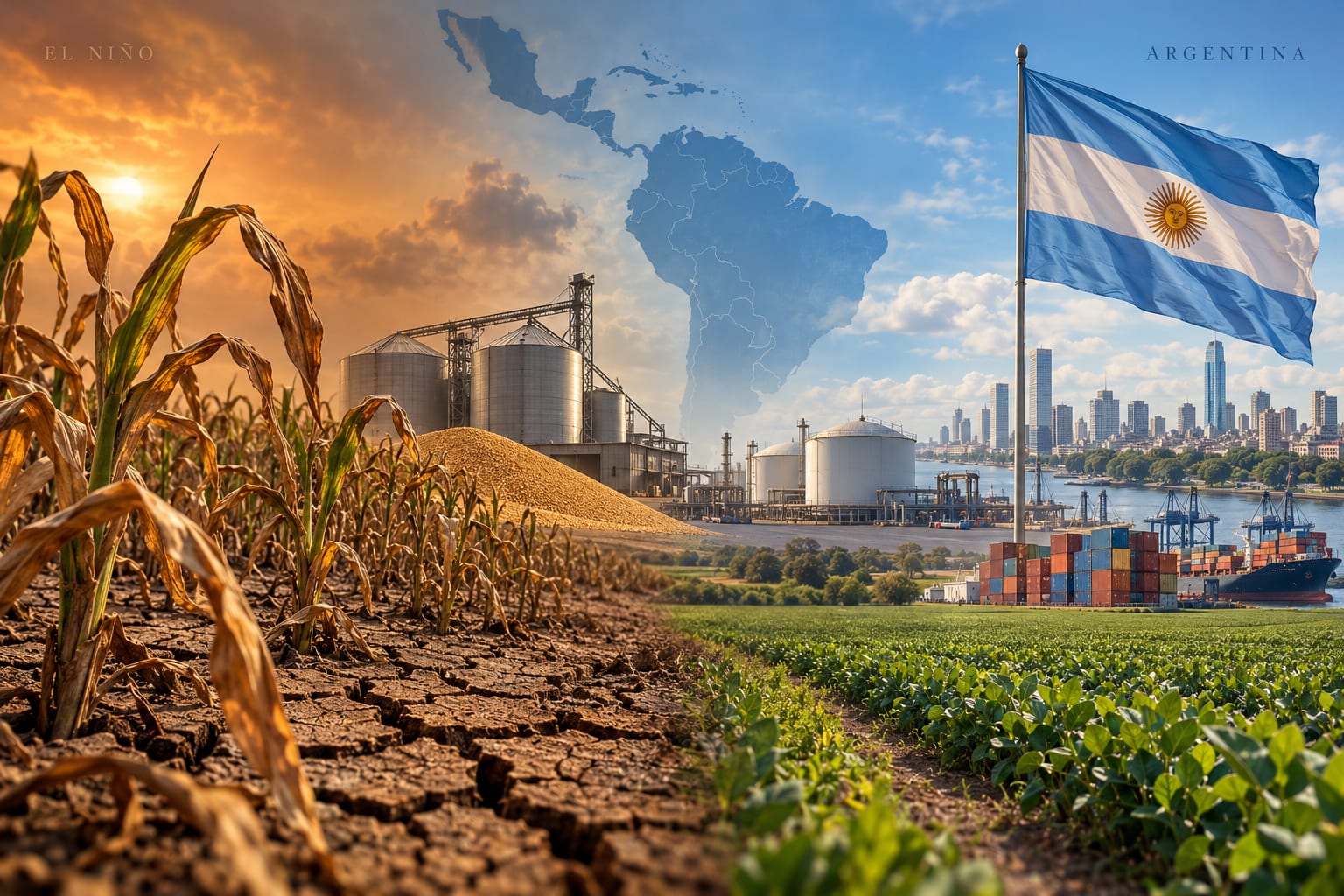
In its LAC Economic Update for October 2026, released yesterday, the World Bank cautions that El Niño could disrupt production and push up food and energy prices, noting that the modest growth being projected reflects the current policy equilibrium, not the region’s potential. The region’s stronger performers, whether long-standing or newly reforming, show that higher growth is possible even without a commodity boom.
According to the Washington D.C. based multilateral lending institution, “while the broader regional outlook remains moderate, distinct pockets of strong economic momentum stand out.”
Argentina is in the middle of substantial reforms and projected to expand for three consecutive years (2025-2027) for the first time in nearly two decades, with momentum driven by fiscal-led adjustment, tax and labour reforms, and a more open economy.
Individual country performance
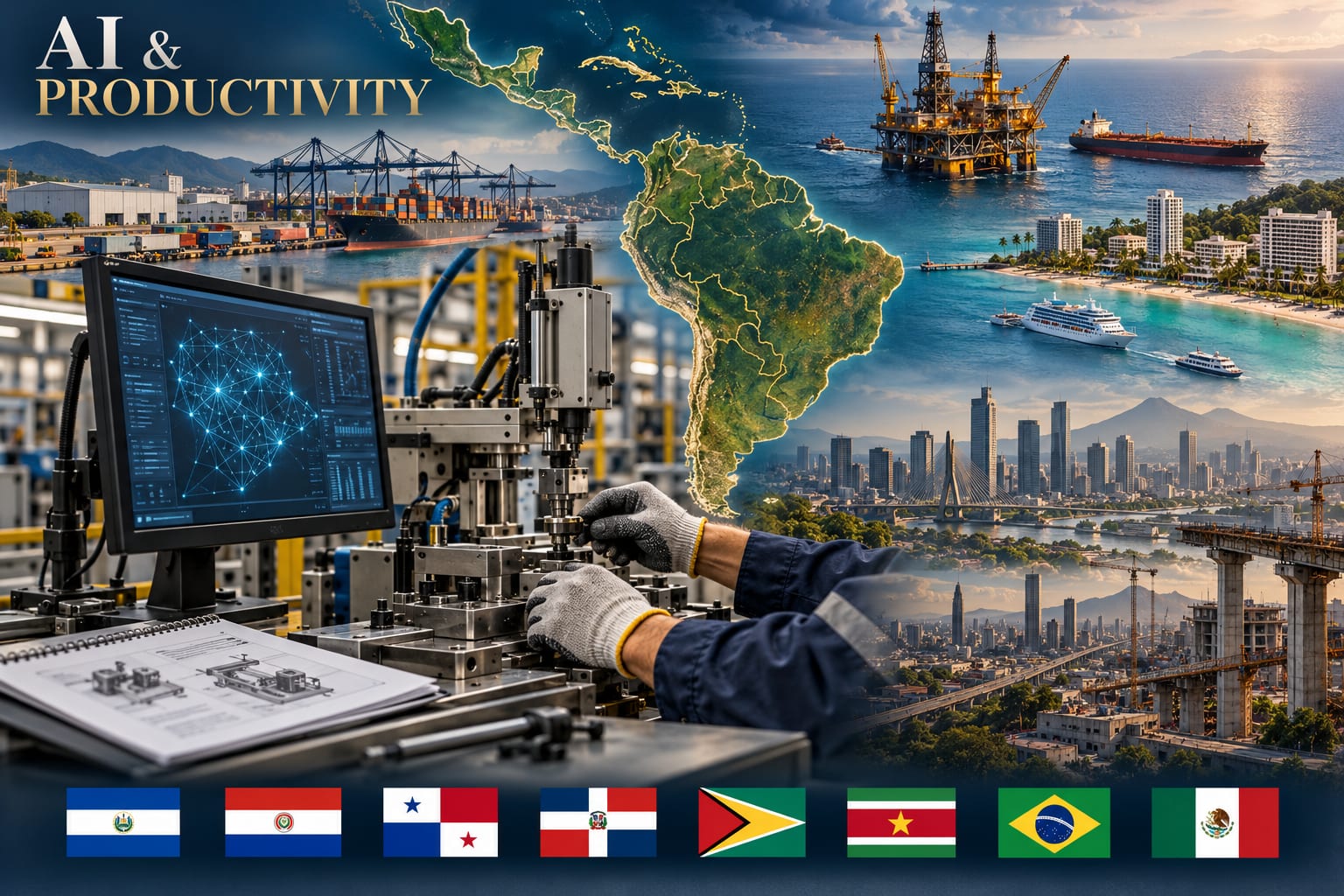
El Salvador —having shifted its risk profile meaningfully in a short period— and Paraguay continue to outperform, supported by improved security conditions, fiscal consolidation efforts, and robust private investment. These trajectories are grounded in durable policy choices on the fundamentals, such as those that have also sustained robust growth in Panama and the Dominican Republic.
In the Caribbean, a dual-track reality persists where Guyana and Suriname’s oil-driven expansions contrast with the maturing, more tempered post-pandemic recovery of tourism-dependent island economies facing high energy and transportation costs.
Meanwhile, LAC’s largest economies, Brazil and Mexico, are growing at or below the regional average, constrained by tight monetary conditions needed to continue disinflation, policy uncertainty, and fading public investment impulses.
The World Bank has identified that the LAC region urgently requires new engines of productivity. The rapid global diffusion of artificial intelligence (AI), which offers a potential catalyst.
However, a critical distinction must be drawn: digital access does not guarantee productive use, and algorithms do not automatically generate aggregate productivity. The bank argues that if AI is to propel the region’s growth trajectory rather than amplify its historical inequalities, LAC must overcome severe structural barriers—chronic informality, delayed capital mechanisation, and deep deficits in managerial and human capital.




Comments