Haiti braces for wave of deportations as US ends TPS protection

/ Our Today
administrator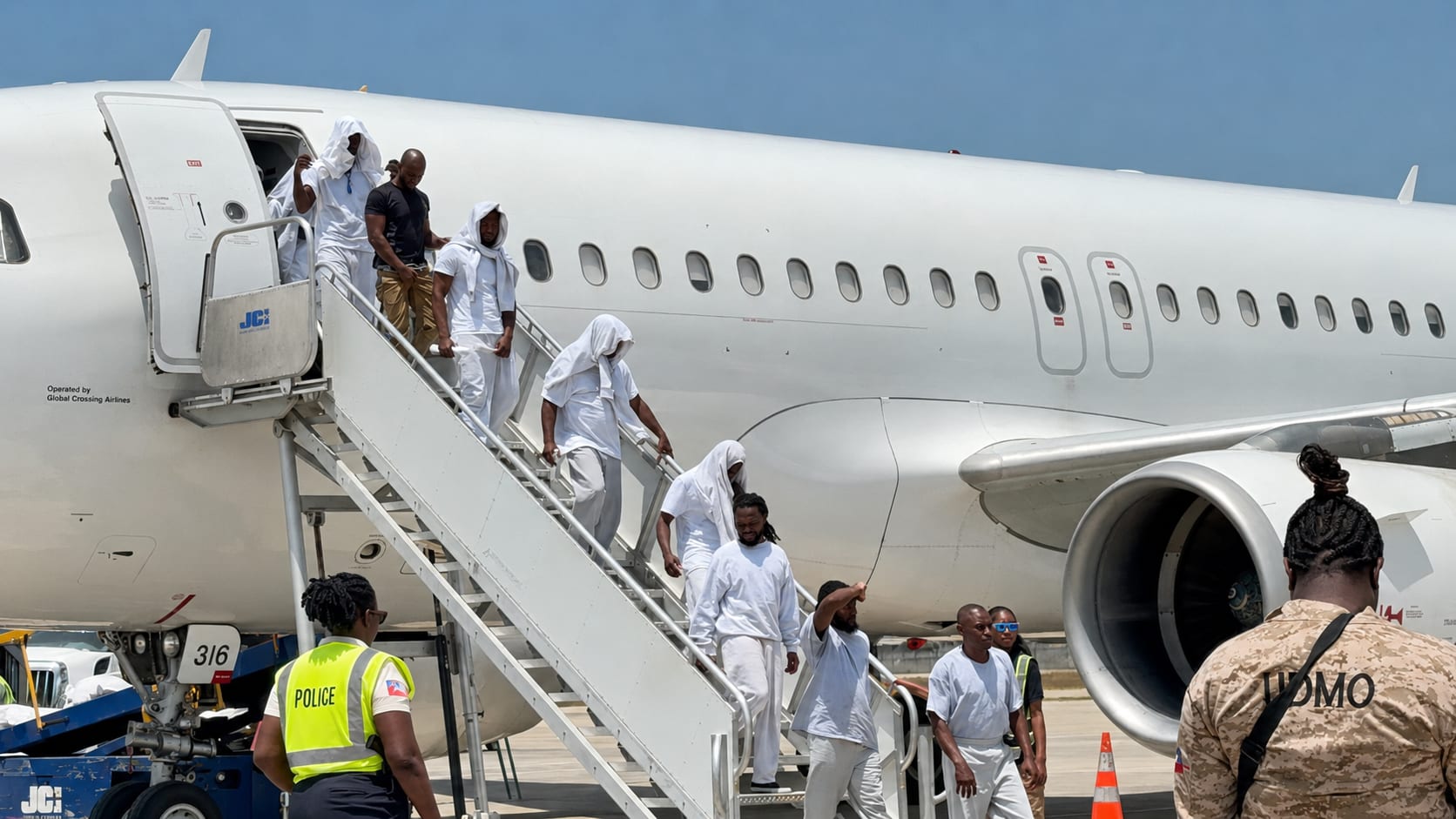
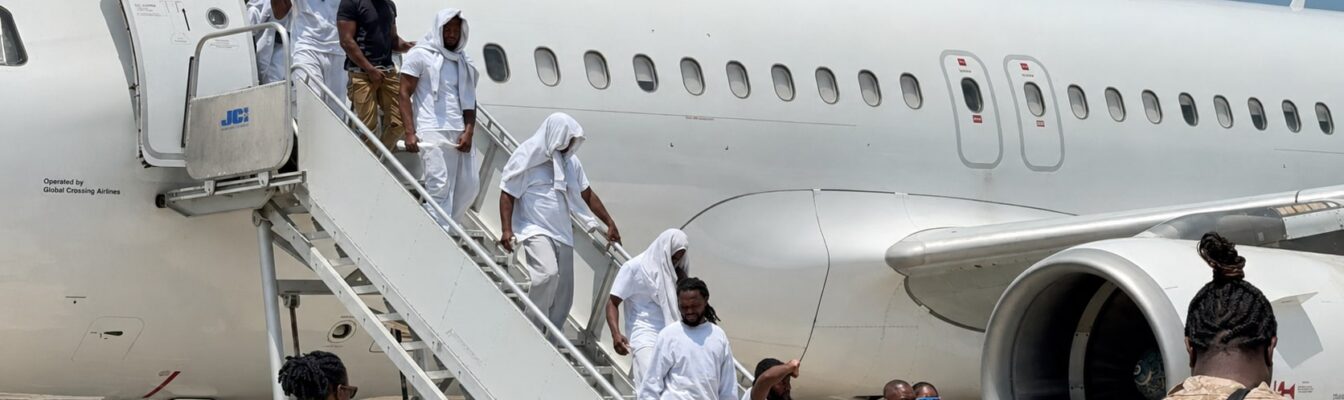
A deportation flight touched down in Haiti last Thursday carrying 161 people sent back from Miami, the first visible sign of what could become a much larger return migration as the Trump administration winds down Temporary Protected Status for Haitians. More than 300,000 people currently hold that protection, and rights organisations are urging Haitian authorities to start preparing for their eventual return.
Notably, none of the passengers on Thursday’s flight were TPS holders, according to Haiti’s National Office of Migration (ONM). Instead, the group was made up of people caught up in removal proceedings after entering the US without legal status, individuals who had completed prison sentences, and some people born abroad to Haitian parents.
The flight marks the first deportation arrival since US officials said last month they planned to double repatriation flights to twice weekly, aiming to send roughly 250 Haitians back each week. Thursday’s arrival had actually been delayed from its original July 16 date after technical issues forced a cancellation, the Miami Herald reported. ONM ultimately processed 161 people, short of the 175 US authorities had initially flagged for the flight.
Each deportee received 10,000 gourdes, around US$77, from ONM to help cover travel to their final destinations within Haiti. Police were on hand to detain any returnees wanted on outstanding charges, but beyond that, the government has offered no broader plan for reintegrating people being sent back, particularly the far larger wave of TPS holders still to come.
That silence has drawn sharp criticism from advocacy groups. Haiti’s Consul General in Miami, Yverick Delerme Cyril, recently suggested in a podcast interview that former TPS beneficiaries would not need special support since they were simply returning to their own country, adding that many are professionals capable of managing the transition on their own.
The Support Group for Returnees and Refugees (GARR) pushed back hard against that framing in a statement issued August 20. The organisation argued that deportees are not choosing to come home or given any real time to prepare, and stressed that people being detained and expelled face genuine risks to their safety once they arrive.
Those risks are compounded by Haiti’s ongoing security crisis. Armed gangs continue to control large sections of Port-au-Prince and have pushed their reach into other parts of the country, contributing to the displacement of nearly 1.5 million people nationwide. Basic transportation, healthcare and education have all been disrupted, and even the roads linking Haiti’s departments have grown increasingly perilous as armed groups impose tolls or block passage entirely.
For the hundreds of thousands of TPS holders who have built lives in the US over years or even decades, that reality raises serious doubts about how, or whether, Haiti can absorb their return without a coordinated national response.





Comments