
IDB warns Jamaica faces long road to recovery from Hurricane Melissa

/ Our Today
administrator
Durrant Pate/ Contributor
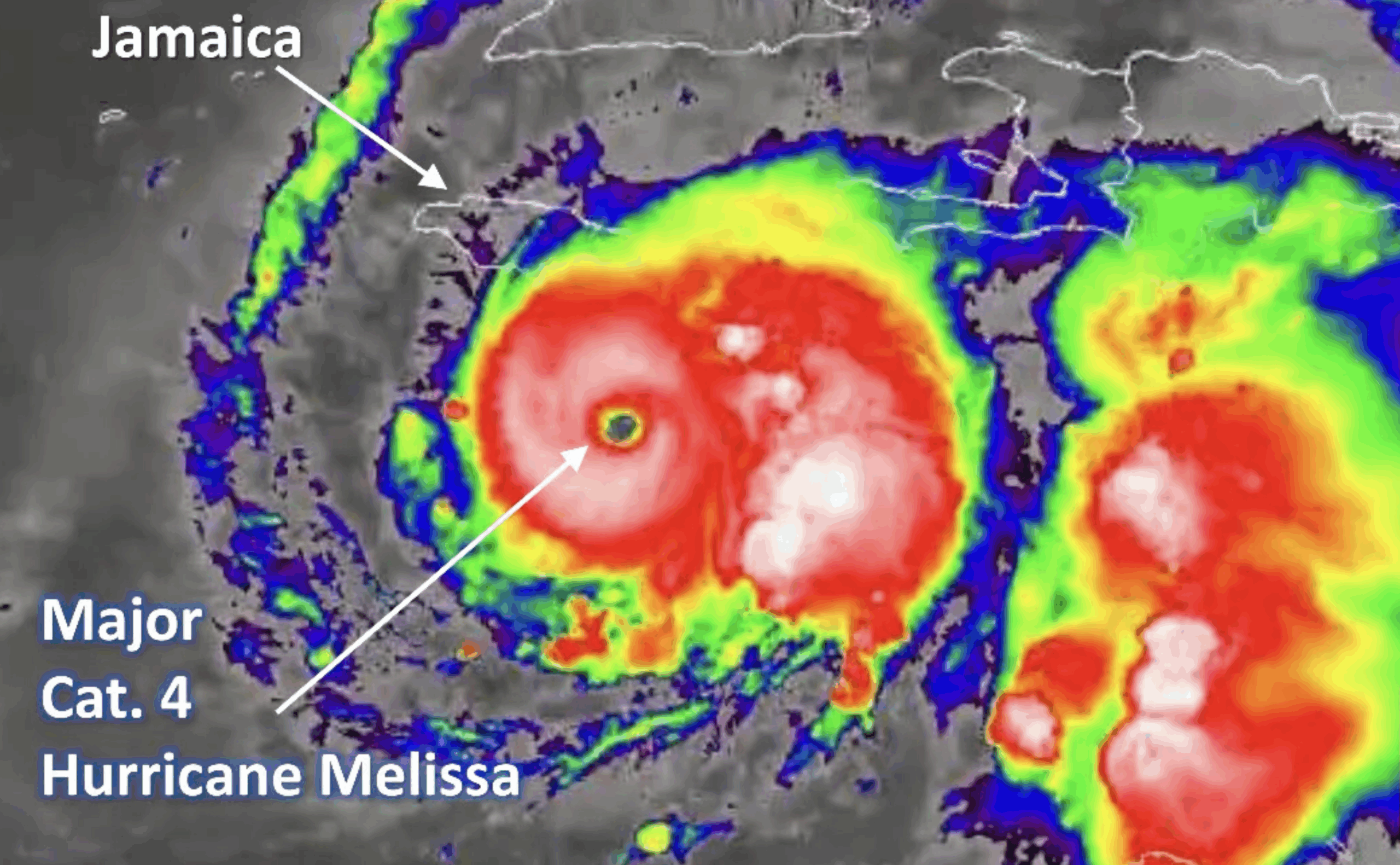
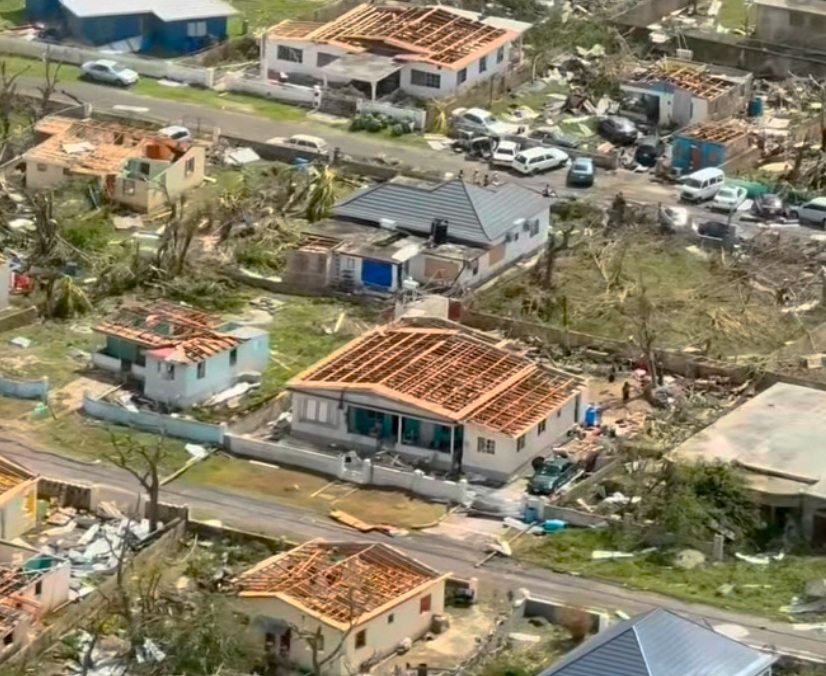
The Inter-American Development Bank (IDB) is cautioning Jamaica faces a long road to recovery from the onslaught of Hurricane Melissa last October that resulted in an estimated US$12.2 billion or 56.7% of Gross Domestic Product (GDP) in physical and economic damage.
This included major damage to housing and a significant impact on the tourism and agriculture sectors. In its just-published report, “Fiscal Resilience, Debt Reduction and Domestic Resource Mobilization in the Caribbean,” the Washington-based financial institution said going forward, Jamaica’s fiscal balance and debt levels immediately reflect the government’s hurricane recovery reaction, resulting a higher-than-planned fiscal deficit and debt-to-GDP ratio.
Jamaica has IDB’s financial banking
The IDB asserted that the Andrew Holness government will continue to have access to significant financing resources for reconstruction, and remains firmly on course to achieve a debt-to-GDP ratio of 60% in the medium term. As the economy continues to recover, the IDB reported that climate risks remain latent, highlighting the significance of continuing to introduce further resilience through insurance, financing, and fiscal buffers.
The multinational lending agency recalled that Jamaica’s ambitious fiscal targets were postponed for two years to allow for reconstruction investment, citing that although Hurricane Melissa has been the driving factor influencing the economy, the global context is also likely to introduce headwinds to Jamaica’s recovery
GDP growth significantly impacted by recent hurricanes
GDP growth in Jamaica has been significantly impacted by the two recent hurricanes with economic growth contracting by 0.54% in 2024 when Hurricane Beryl hit in July of that year and is estimated to have declined by an additional 0.06% in 2025 after Hurricane Melissa hit in October 2025.
The IDB noted that based on the pace of recovery and disbursement of funds to the most affected areas in the aftermath of the category 5 Melissa, Jamaica’s economy may remain depressed over the medium term. According to the IDB, “this is in great contrast to 2021 and 2022, when Jamaica was rebounding from the COVID-19 pandemic with growth rates of 5.7% and 6.4 %, respectively. GDP is projected to continue contracting through 2026 by 1.15 per cent before beginning a recovery in 2027, with 3.14 per cent projected growth.”
The IDB is reporting that several sectors experienced large contractions in the last quarter of 2025 when Hurricane Melissa hit. Quarterly GDP growth contracted by 7.1% in that quarter, driving annual GDP to contract by 0.1 per cent for the year.
The Washington-based financial institution said the higher fiscal deficit in 2026 is mainly driven by recovery and reconstruction priorities following Hurricane Melissa. While total revenues are projected to remain stable in financial year 2026/2027, increasing by one per cent relative to the previous fiscal year.
At the same time, expenditures are projected to increase by 14.5%, driving the fiscal balance to a deficit of almost five per cent. For the IDB, “recovery and reconstruction priorities are also driving higher levels of capital expenditures, expected to increase from 1.6% of GDP in financial year 2025/2026 to 2.1% in financial year 2026/2026. This represents an increase of about 65%, with capital expenditure reaching almost US$500 million.”
Despite these spending increases, the Jamaican government, the IDB asserted, remains firmly committed to maintaining fiscal discipline and maintaining its credibility, with the IDB observing that the government is maintaining its objective to reduce the debt-to-GDP ratio to 60%, which was postponed to 2030 due to the hurricane.
Higher overall balances are driving an increase in the level of debt to GDP, with the debt-to-GDP ratio previously projected to decline to almost 50% of GDP by 2030. However, the hurricane modified that trajectory, increasing the ratio from 62.4% at the end of financial year 2024/2025 to 68.9% at the end of financial year 2025/2026.
The postponement of the fiscal target to achieve a debt-to-GDP ratio of 60% by financial year 2027/2028 was approved by Parliament, with the projected target is now 60.9% by financial year 2029/2030.

Comments