It’s World Drowning Prevention Day: Five water safety tips everyone should know

Vanassa McKenzie / Our Today
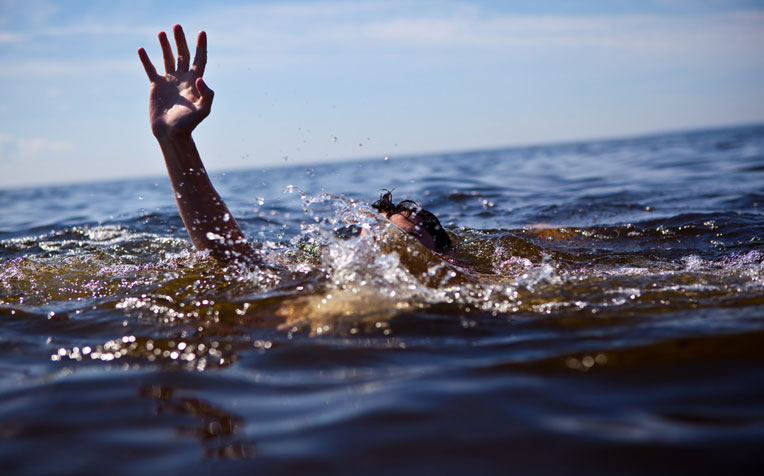
Today, health officials and other stakeholders are observing World Drowning Prevention Day, a public campaign geared at highlighting the negative impact of drowning on communities and advocating for the implementation of drowning prevention solutions to tackle the global heath issue.
Drowning is the third leading cause of intentional deaths worldwide. According to the World Health Organization, some 236,000 people drown each year.
While drowning is a preventable issue, not many people are aware of proper water safety procedures to reduce the risk of drowning.
Learn how to swim
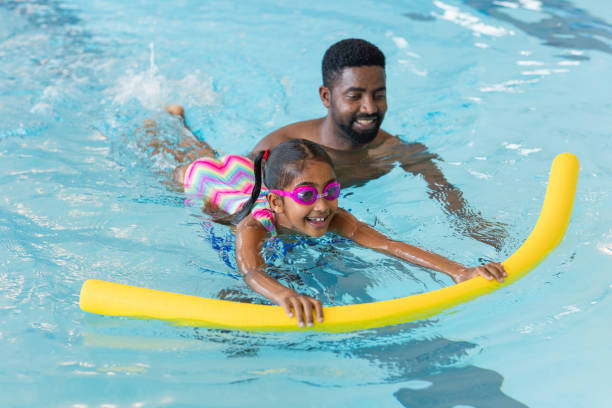
Despite Jamaica being completely surrounded by the Caribbean Sea, studies have shown that a majority of the population cannot swim. Swimming is not just a sport but a critical component for survival in the event an individual becomes stranded at sea.
According to the WHO, children between the ages of 1 – 4 and 5 – 9 have the highest drowning rates globally.
Therefore, it is important for parents to encourage their children to take swimming lessons to have basic knowledge about the sport and reduce the likelihood of them drowning.
Wear a life jacket
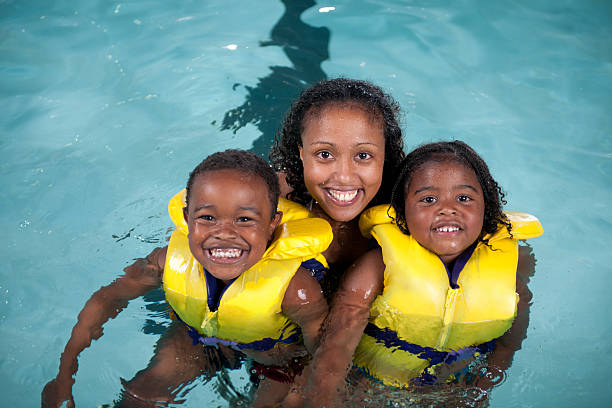
A life jacket is an essential water safety gear that everyone must wear when venturing into a pool or other large bodies of water. A life jacket is a life-saving tool that can help to prevent individuals from drowning by keeping them afloat in the water until help arrives.
Learn CPR

Cardiopulmonary resuscitation otherwise known as CPR is another useful skill to have that can prove useful in preventing individuals from drowning.
According to the Mayo Clinic, CPR is a life-saving technique that’s useful in many emergencies, such as a heart attack or near drowning, in which someone’s breathing or heartbeat has stopped.
The Heart Foundation and the Jamaica Red Cross offer first aid and CPR training to individuals and organisations.
Supervise children
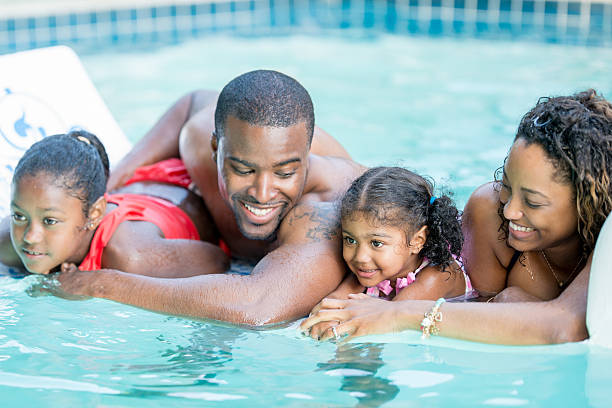
The summer period is in full swing and many families are taking a splash at the pool, river or beaches to cool down. While this is a period of fun and excitement, it is important to offer proper supervision to children who are at a greater risk of drowning compared to adults.
Parents and guardians are also encouraged to designate an adult to supervise children in the event that they will not be present for such activities.
Children should also be equipped with life jackets and other protective gear when participating in water activities.
Reduce alcohol intake while swimming
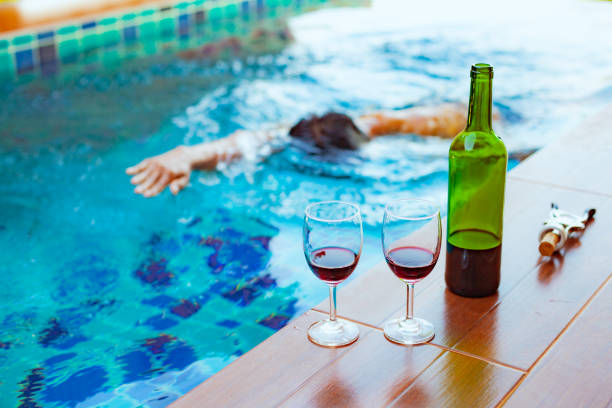
Consuming too much alcohol while swimming can increase the risk of drowning because it impairs an individual’s judgement and affects coordination.
A study by the U.S National Library of Medicine revealed that alcohol consumption increases the risk of immersion, resulting in drowning during aquatic activities.
Consuming alcohol while swimming can be a dangerous activity, therefore, it is recommended that individuals consume alcohol after participating in such activities.
–Send feedback to [email protected]






Comments