Jamaica among 10 countries developing regional school feeding policy in the Caribbean

/ Our Today
administrator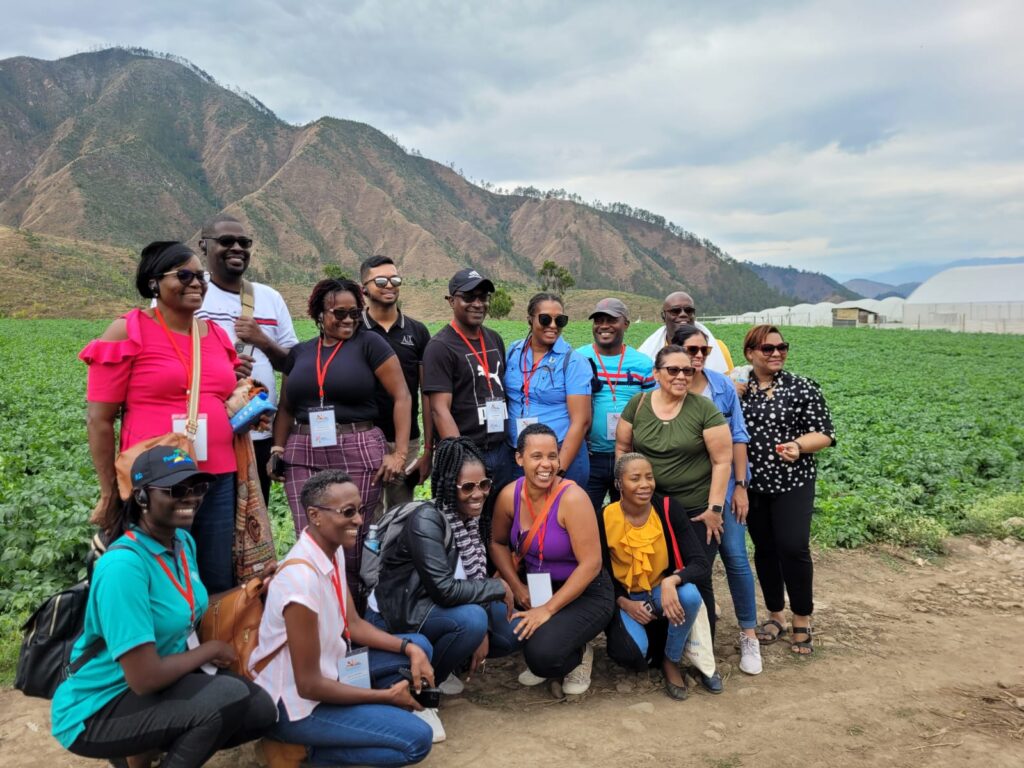
The regional school feeding project of the Brazil-FAO International Cooperation carried out an international technical mission in the Dominican Republic with the participation of 10 countries including Jamaica, from March 13 to 17.
The mission sought to facilitate exchange of strategies to improve the quality of Latin American
and Caribbean school feeding programmes.
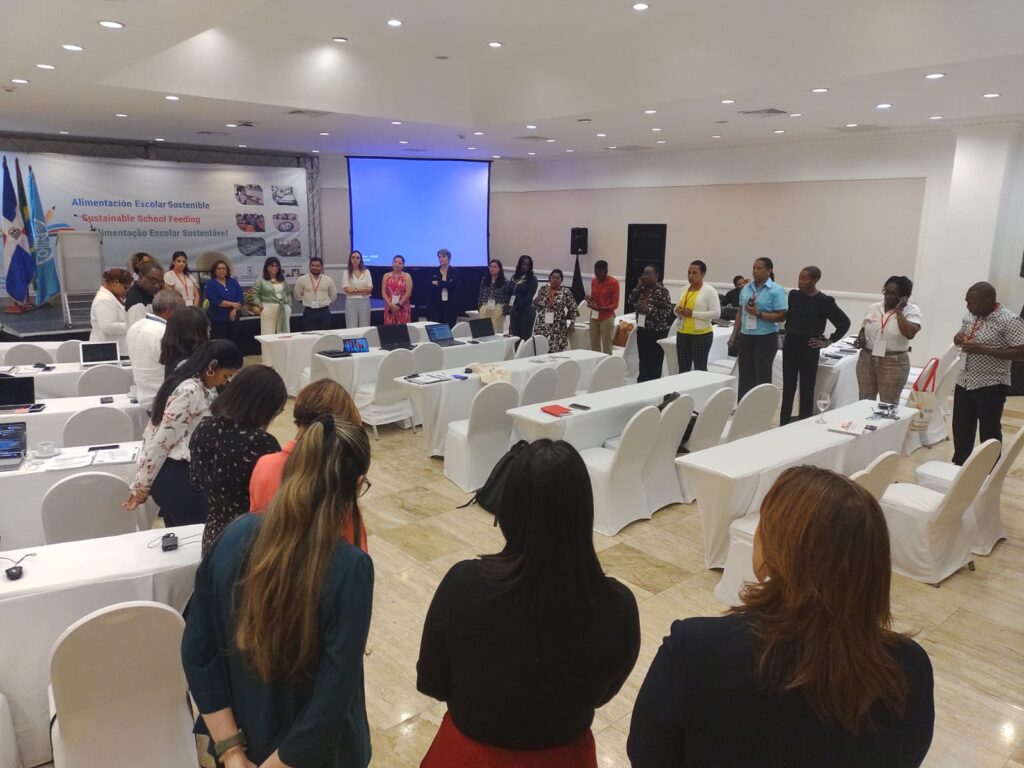
The mission included managers and technicians from school feeding programmes from the ministries of education, agriculture and health of Belize, Brazil, Bahamas, Chile, Guyana, Jamaica, Saint Lucia, Saint Kitts and Nevis, Saint Vincent and the Grenadines and Trinidad and Tobago. Delegates participated in dialogues, field visits and also completed the second stage of a School Feeding Course for the Caribbean.
The course exposed participants to the different levels of implementation of the school feeding policy.
This action was developed within the framework of the Brazil-FAO International Cooperation Programme, executed through the Brazilian Cooperation Agency of the Ministry of Foreign Affairs (ABC/MRE); the National Fund for Educational Development of the Ministry of Education (FNDE /MEC); and the Food and Agriculture Organization of the United Nations (FAO), through the Consolidation of School Feeding Programmes project in Latin America and the Caribbean.
Cooperation: transforming lives
Fernanda Pacobahyba, president of FNDE, participated in the mission and assured Brazil’s commitment to school feeding in the region: “The power of all this cooperation’s work to transform people’s lives was very clear,” she commented. “We have legitimately heard from the biggest players, the boys and girls, how much they love school feeding and the importance of good nutrition for them.”
Pacobahyba also highlighted the role of the Sustainable School Feeding Network (RAES), created by the Government of Brazil to deepen the dialogue and exchange of knowledge on school feeding in Latin America and the Caribbean. The Brazilian government has been sharing best practices from their school feeding programme for over 67 years.
Rodrigo Castañeda, FAO Representative in the Dominican Republic, thanked the support of the Brazilian cooperation and highlighted the work of different institutions and local communities in the implementation of the school feeding policy. “The school can be an articulator of rural development. Our commitment is that this becomes a public policy of the state, so that together we can strengthen school feeding in all our countries,” he said.
SFP in the Dominican Republic: Almost 2 million students impacted
Victor Castro, director of the National Institute for Student Welfare (INABIE) of the Dominican Republic,
stressed that school feeding is a state commitment. He detailed the construction process of the School Food Law and pointed out that this is “the most important social programme in the country”, with an impact on more than 712,000 Dominican families and benefiting 1.8 million students. He also added that the mission helped to exchange experiences so that local school feeding can be consolidated and strengthened.
Visits in schools
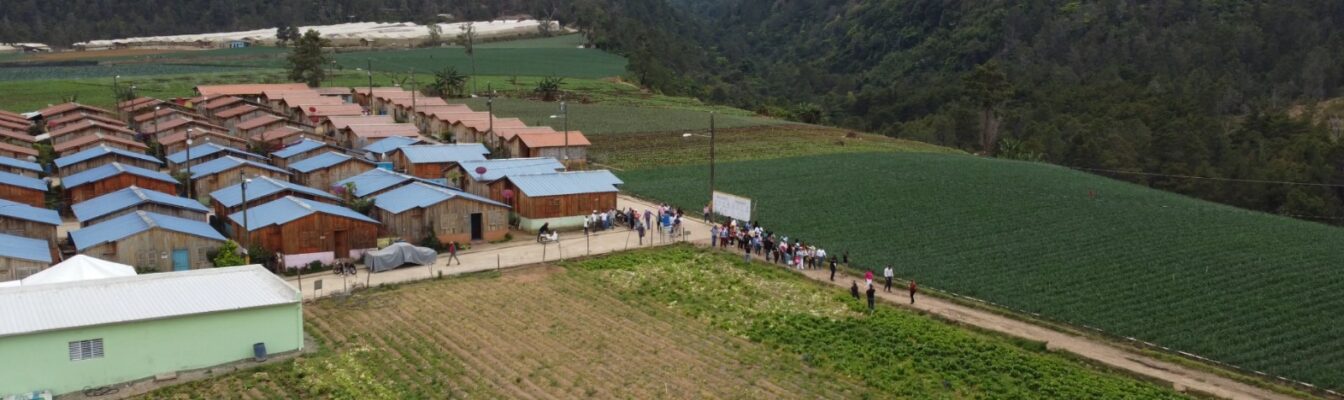
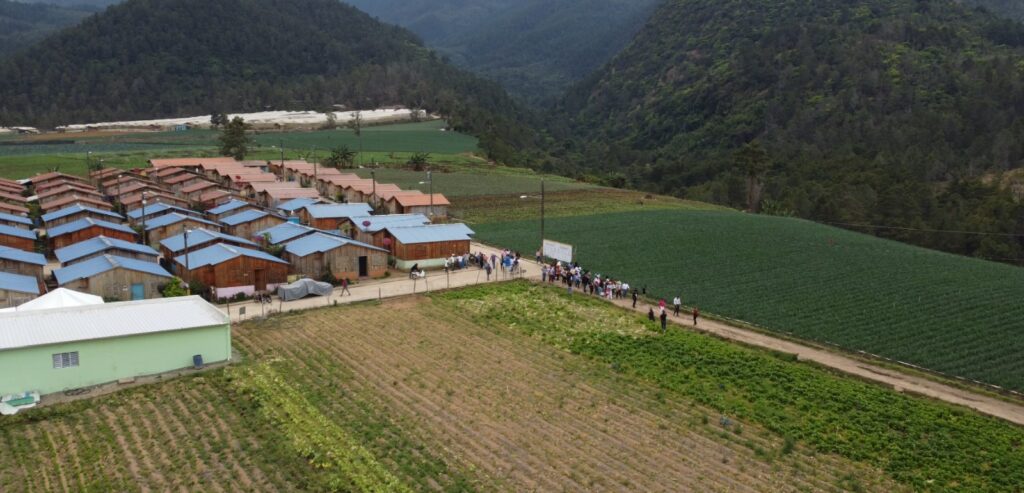
During the week, the delegation visited two schools, La Hora de Dios, in Santo Domingo Oeste, and Mata Limón, in Monte Plata. The aim was to observe the implementation process of school feeding and gain firsthand experience of Dominican family farming by visiting a farmers’ cooperative in the Constanza region.
Bertland Bates, was one of the two Jamaicans from the Rural Agricultural Development Authority (RADA) on the mission. According to Bates, the involvement of family farming in school feeding and the observation of the schools’ infrastructure, were two major highlights of his experience. The holistic approach of involving farmers in close proximity to the schools, was a strategy he believes could be developed further in Jamaica.
“We actually started this concept with the FAO in Jamaica by including farmers within a 10-kilometre radius in our school feeding programme”. The RADA technician noted the exposure from the mission,
validated the continuity of this approach which would enhance socio-economic benefits for schools and their environs.
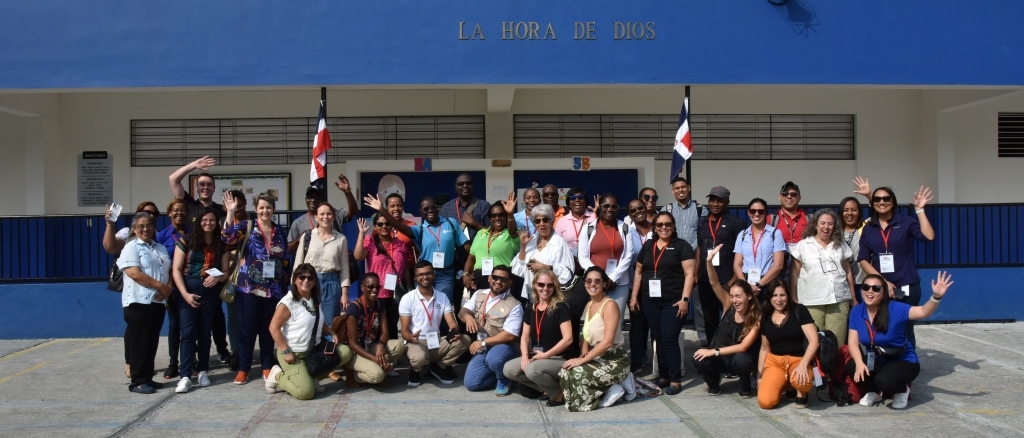
Course
During the course, there was the conclusion stage of the ‘Joint Strategy for Strengthening Sustainable School Feeding Programs (PAES) in Latin America and the Caribbean (LAC) – safe environment during and post pandemic’. It was a short course on food handling and food safety topics. The strategy was divided into two phases. The first dealt with the management and provision of approximately 600 kits in 11 LAC countries and the second was this training of national technicians in safety, hygiene, infrastructure, handling and quality of food preparation.
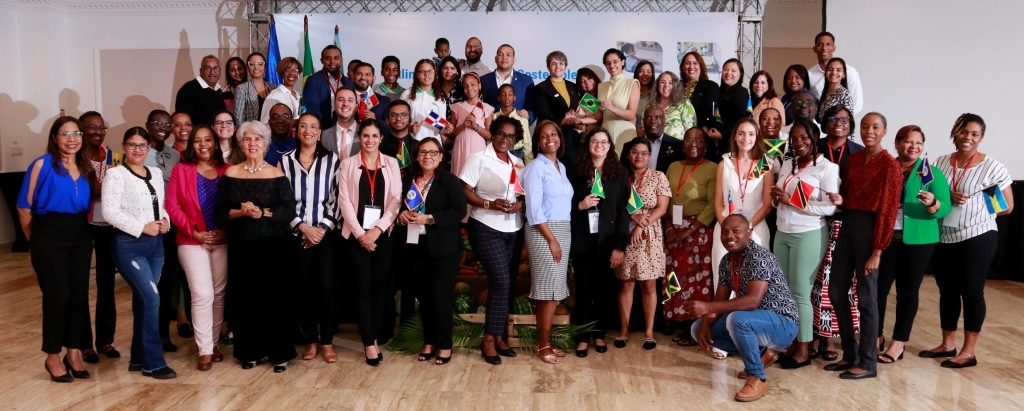
The coordinator of the school feeding project of the Brazil-FAO International Cooperation, Najla Veloso, assessed that the mission promoted a space for dialogue and exchange among the Caribbean countries.
“It was an occasion to call on sister countries to think together how we can build a better continent and a better world, where all students eat, learn and improve their health conditions, moving the regional food chain with family farming. It was possible to understand that it is possible to do this better and better, how we do it in your countries, in Brazil and how the Dominican Republic is doing”.



Comments