‘Long COVID’ impacts 70% of persons hospitalised: new study

Juanique Tennant / Our Today

Experiencing long-lasting symptoms of COVID-19 is highly likely for infected individuals, according to a new study that has found that seven in 10 persons hospitalised with the virus had yet to fully recover even five months after being discharged.
According to a United Kingdom-wide study, led by the National Institute for Health Research (NIHR) Leicester Biomedical Research Centre and published this month, of the 1,077 people who were discharged from the hospital between March and November 2020, only 29 per cent confirmed they felt fully recovered at a five-month follow-up session.
Data from the study also suggested that more than 90 per cent of COVID survivors admitted to having at least one persistent symptom, while most experienced an average of nine ongoing symptoms.
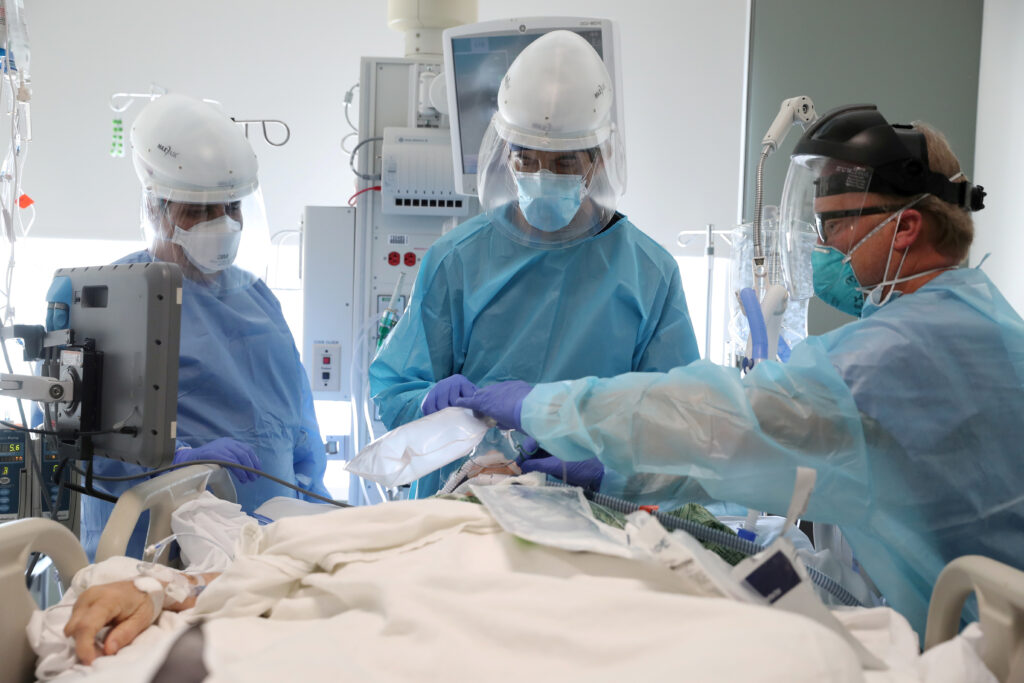
Of the stated ongoing symptoms, the 10 most common were muscle pain, fatigue, physical slowing down, impaired sleep quality, joint pain or swelling, limb weakness, breathlessness, pain, short-term memory loss, and slowed thinking.
In addition to lingering physical health-related symptoms, the mental health of the survivors was also impacted with more than 25 per cent of people having clinical symptoms of anxiety or depression and 12 per cent having symptoms of post-traumatic stress disorder (PTSD).
In light of the results unearthed from the study, the researchers are now calling for more follow-up care to be provided for COVID-19 survivors.

“Our findings support the need for a proactive approach to clinical follow-up with a holistic assessment to include symptoms, mental and physical health, but also an objective assessment for cognition,” said Chris Brightling, a professor of respiratory medicine at the University of Leicester and the chief investigator for the study.
“Continued study of the trajectory of recovery over a longer timeframe, coupled with greater understanding of the biology underpinning post-COVID symptoms, will further inform approaches to the clinical management of post-COVID-19 infection,” he said.
The study participants will be assessed again at 12 months to gather more data on the long-term impact of COVID-19.





Comments