
Miami Is the benchmark for Brazilian wealth. The Bahamas has to learn from It and sell against It

/ Our Today
administrator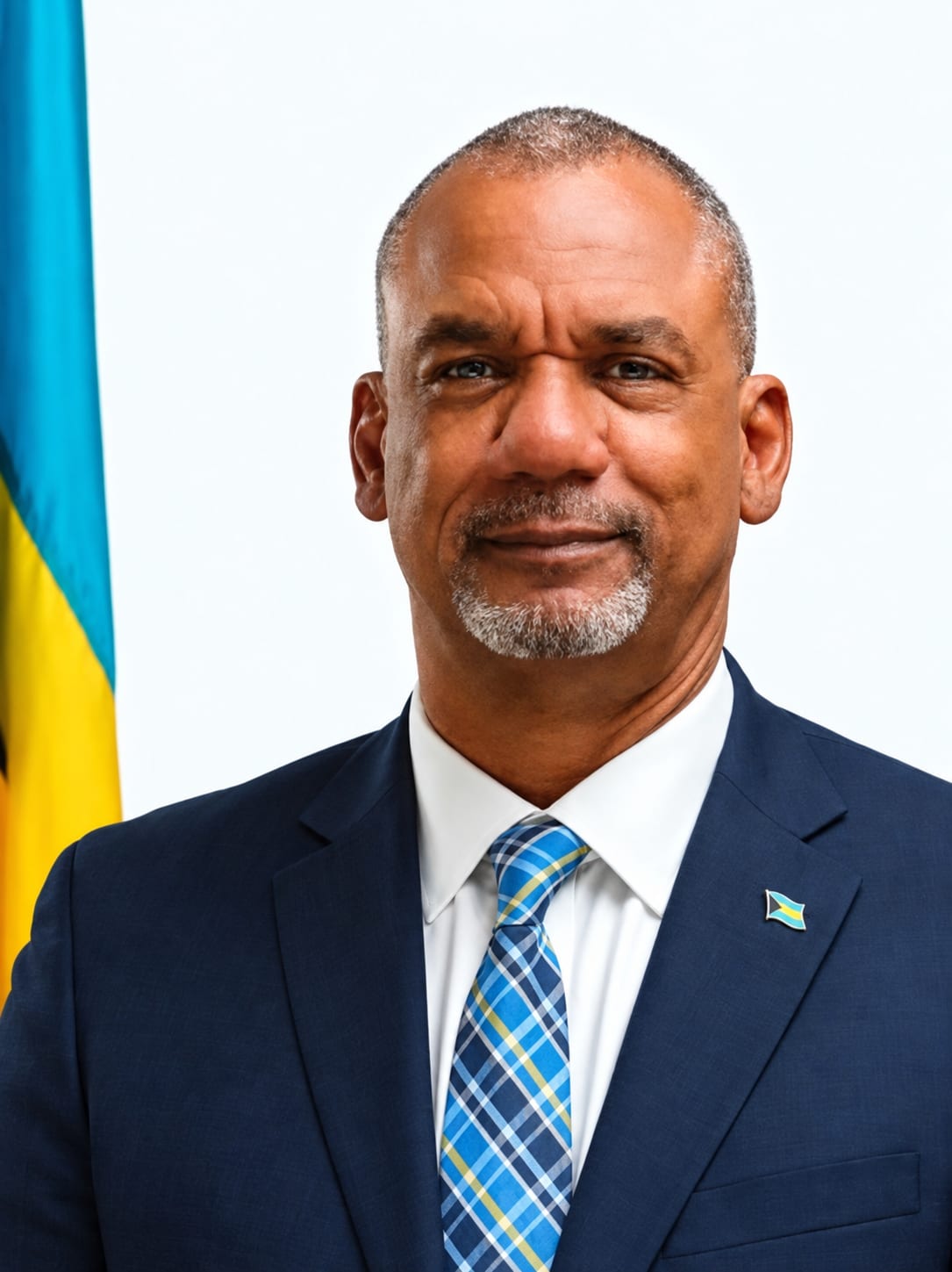
Bahamas’ Economic Affairs Minister Jerome Fitzgerald took a succession-focused package to São Paulo last week, and the theme was well chosen.
Brazil’s Law 14,754, in force since 2024, taxes the profits of controlled offshore companies every year, distributed or not. Local practitioners say planning now centres on protecting wealth and passing it down in good order. That is the service The Bahamas is offering.
In São Paulo, though, the incumbent is Miami. The city hosts dozens of international banks and an estimated 1,800 money managers, and it is widely treated as the financial capital of Latin America. Advisers describe a blended model in which operating businesses stay in the home market while treasury, investment governance and succession run through a US platform. BTG Pactual has even bought a Miami multi-family office to reach that corridor.
What can The Bahamas borrow? Not Miami’s scale, but its convenience: banks, lawyers and managers within easy reach, and a city that treats Latin American clients as core business. Fitzgerald’s concierge unit and single-family office agreement are the right instincts. To match Miami, they need published terms and Portuguese-language service.
Where to sell against it: succession. A nonresident alien gets only a $60,000 exemption on US-situs assets, and estate tax rates run from 18% to 40%. A Brazilian family that holds US securities or a Miami property in its own name carries that exposure [confirm whether any US-Brazil estate tax relief applies]. The Bahamas levies no estate tax, and its new tools are built for handing wealth on.
The Usufruct Interest Act may be the sharpest tool. Trusts remain unfamiliar to many families in Brazil, a civil law country, while lifetime gifts that keep usufruct with the donor are already used by Brazilian planners. A Bahamian regime that speaks that legal language could travel further than another trust offering.

No structure rewrites Brazilian law, though. Assets located in Brazil stay under Brazilian succession rules, including forced heirship reserving at least half of an estate for heirs, so Bahamian tools mainly suit wealth and families already abroad. Brazil also treats jurisdictions that do not tax income as favourable-tax jurisdictions, and The Bahamas has no personal income tax, so clients should expect scrutiny. Overselling will be caught by Brazilian lawyers first.
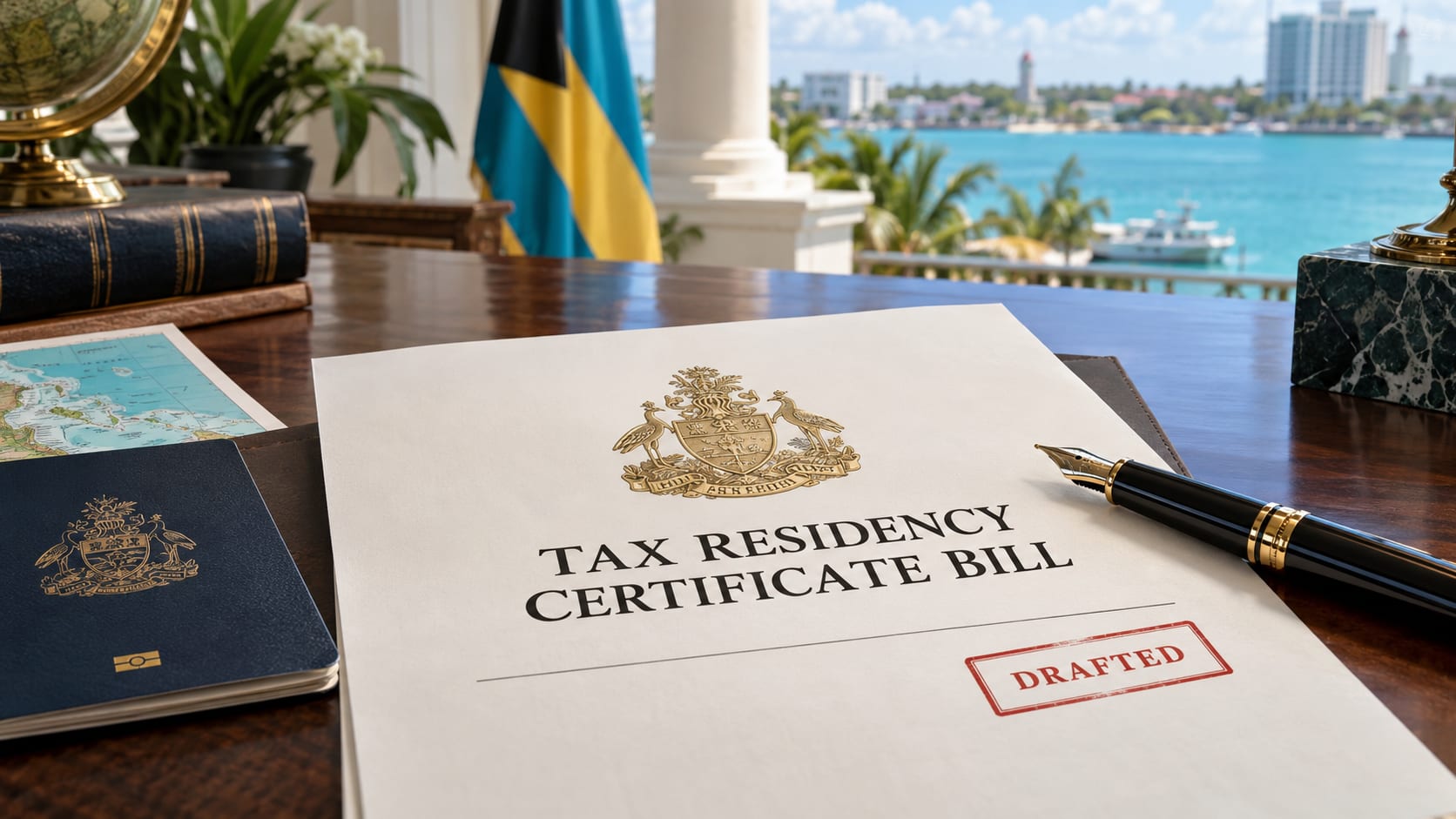
Delivery decides the rest. The Tax Residency Certificate has been discussed for more than a decade, and the concierge unit and family office agreement have no launch dates or published terms. The minister expects the usufruct regime to be fully in force within a month. If the certificate bill and family office framework follow soon, with clear criteria, Brazilian money has a reason to listen. Without them, Miami keeps the business.






Comments