
Oil prices continue to surge in spite of improved flows via Strait of Hormuz

/ Our Today
administrator
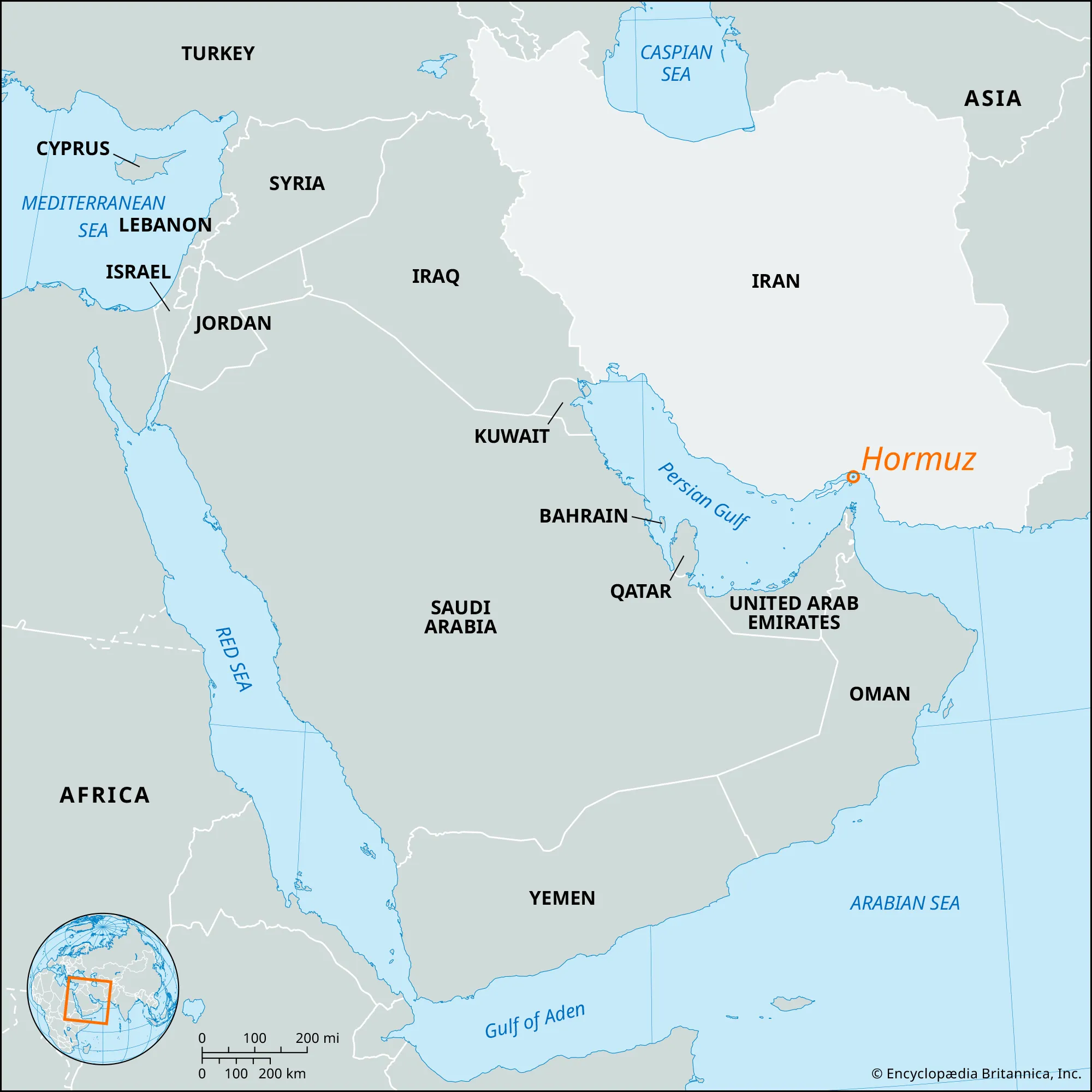
Crude oil prices extended a climb that began on Monday, despite reports that oil flows via the Strait of Hormuz have improved considerably since the start of September.
This morning Brent crude was trading at US$107.37 per barrel, and West Texas Intermediate was trading at US$94.31 per barrel. The widening gap between the two has been driven by reports about a possible U.S. ban on diesel fuel exports.
Meanwhile, oil intelligence platform Kpler reported on Monday it had estimated daily oil flows out of Hormuz at 12.8 million barrels, which is a lot more than most expected. The estimate comes despite regular tanker tracking reports from Kpler showing that tanker traffic remains severely crippled.
However, these reports do not account for tankers moving in so-called dark mode or, apparently, ship-to-ship transfers. Saudi Arabia has taken to ship-to-ship transfers to move its crude out, after the Yemeni Houthis struck energy infrastructure including its East-West pipeline and the port of Yanbu on the Red Sea.
These workarounds have contributed to oil prices’ upward momentum, because they have pushed the cost of getting crude out of the Persian Gulf considerably.
“A clearer picture is emerging of higher oil export volumes leaving the Gulf, but much of that increase still relies on workarounds such as ship-to-ship transfers. Those methods are less efficient and more costly than normal operations, which is why crude prices remain elevated,” Tim Waterer from KCM Trade said, as quoted by Reuters.
Tanker rates are running at record highs as well, adding to the cost of exporting crude oil from the Middle East and tightening vessel availability, since ship-to-ship transfers require more vessels.
In addition, maritime traffic is again being rerouted from the Red Sea to the Cape of Good Hope in southern Africa, making journeys longer, including tanker journeys.






Comments