
Oneil Madden | The power of the people: When public voices move government

/ Our Today
administrator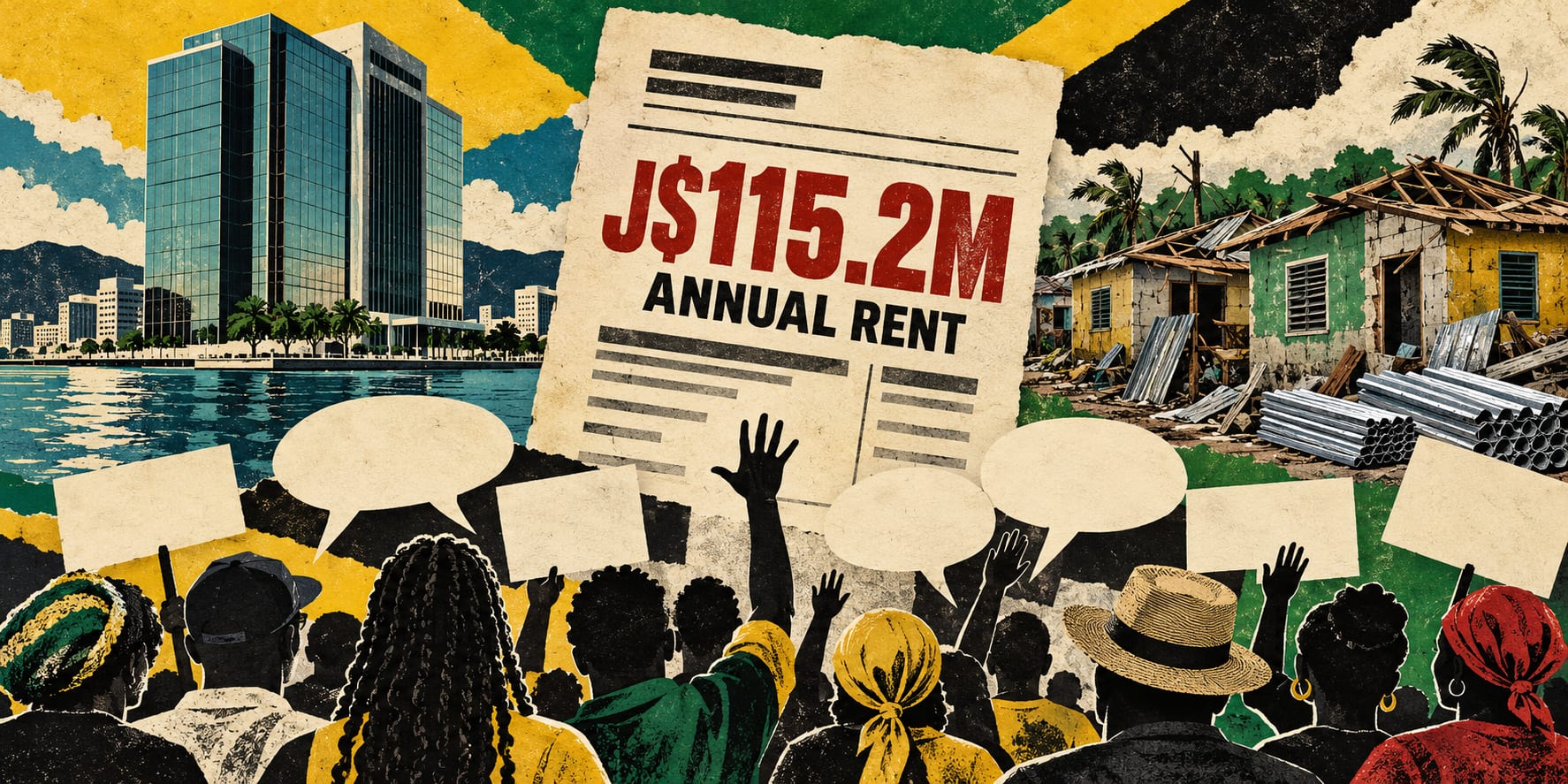
There are moments when democracy reveals its power not in Parliament, not at the ballot box, but in the collective voice of ordinary citizens. Jamaica has just witnessed such a moment in the controversy surrounding the proposed headquarters of the National Reconstruction and Resilience Authority (NaRRA).
The issue was straightforward enough. NaRRA announced that it had entered a five-year lease for space at the Digicel Building in downtown Kingston at approximately US$26 per square foot, costing taxpayers about J$115.2 million annually. The authority defended the choice, pointing to the building’s resilience, functionality and ability to remain operational during disasters.
But Jamaicans were not convinced.
The timing mattered. A country still dealing with the consequences of Hurricane Melissa was being told that an authority established to lead reconstruction would spend more than $115 million a year on its headquarters. For citizens still waiting for roofs, repairs and assistance, the optics were troubling. The question was not simply whether the rent represented the prevailing market rate. It was whether the expenditure represented good value for the Jamaican people.
And Jamaicans spoke.
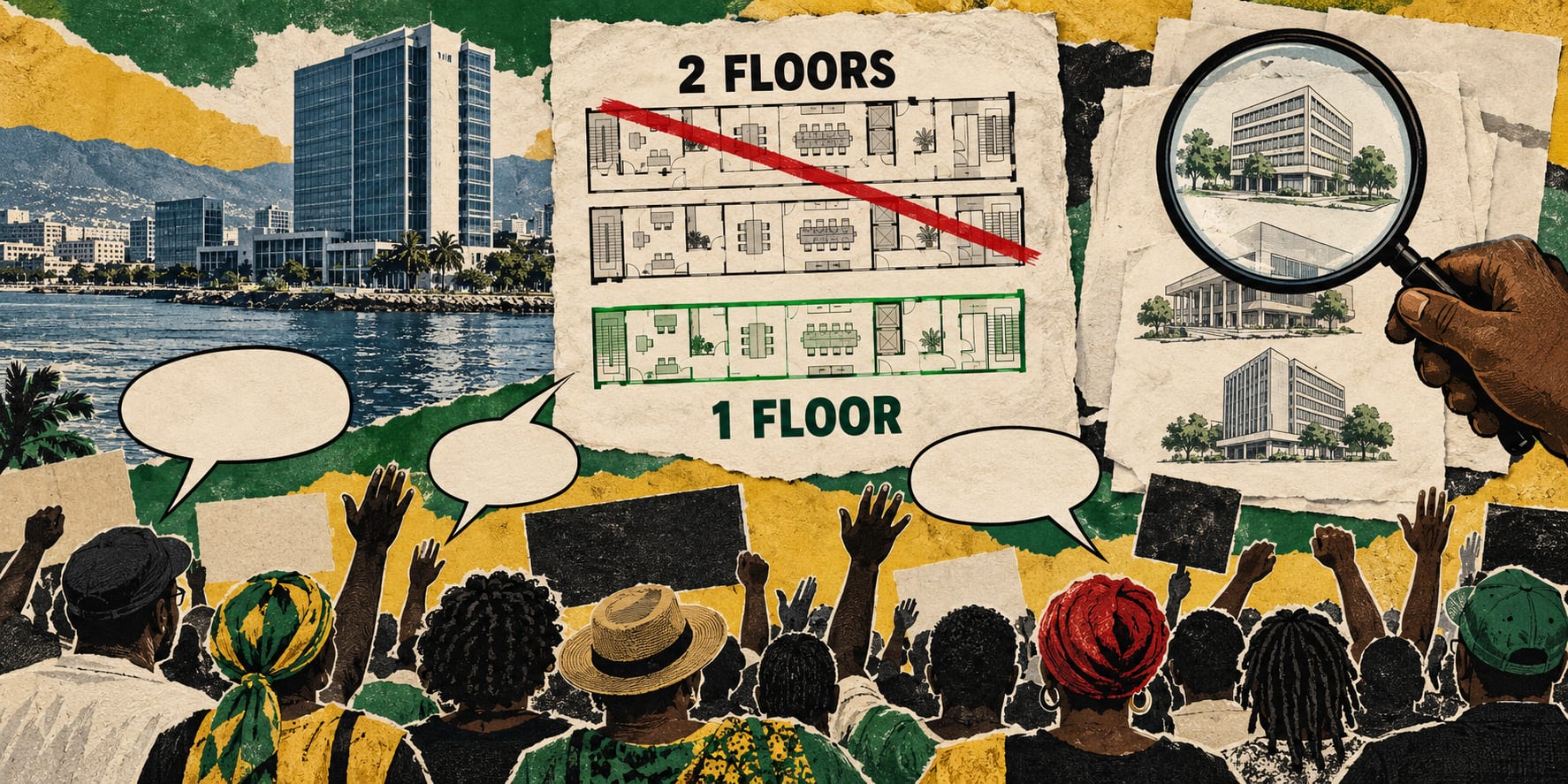
The public backlash was sufficiently strong that the Government subsequently announced that NaRRA would scale back its initial office requirements. Prime Minister Dr Andrew Holness said the authority would initially occupy one floor rather than the two floors originally contemplated, while Information Minister Senator Dr Dana Morris Dixon indicated that the reduction could bring the cost down substantially.
That is the power of the people.
It is easy to underestimate public opinion. Politicians sometimes treat criticism on social media, talk shows, in communities and in the press as noise that will eventually disappear. But this episode demonstrates that when citizens identify an issue that touches a fundamental principle – how their money is being spent – they can force the Government to reconsider its position.
The lesson, however, is bigger than NaRRA.
Democracy cannot mean that citizens vote every few years and then surrender their voices until the next election. Democracy must also mean scrutiny between elections. It must mean citizens asking uncomfortable questions about procurement, expenditure, priorities and accountability. It must mean demanding evidence before accepting official explanations.
Indeed, one of the most important questions emerging from this controversy is not whether the Digicel Building is expensive. It is whether all reasonable alternatives were adequately considered before the decision was made.
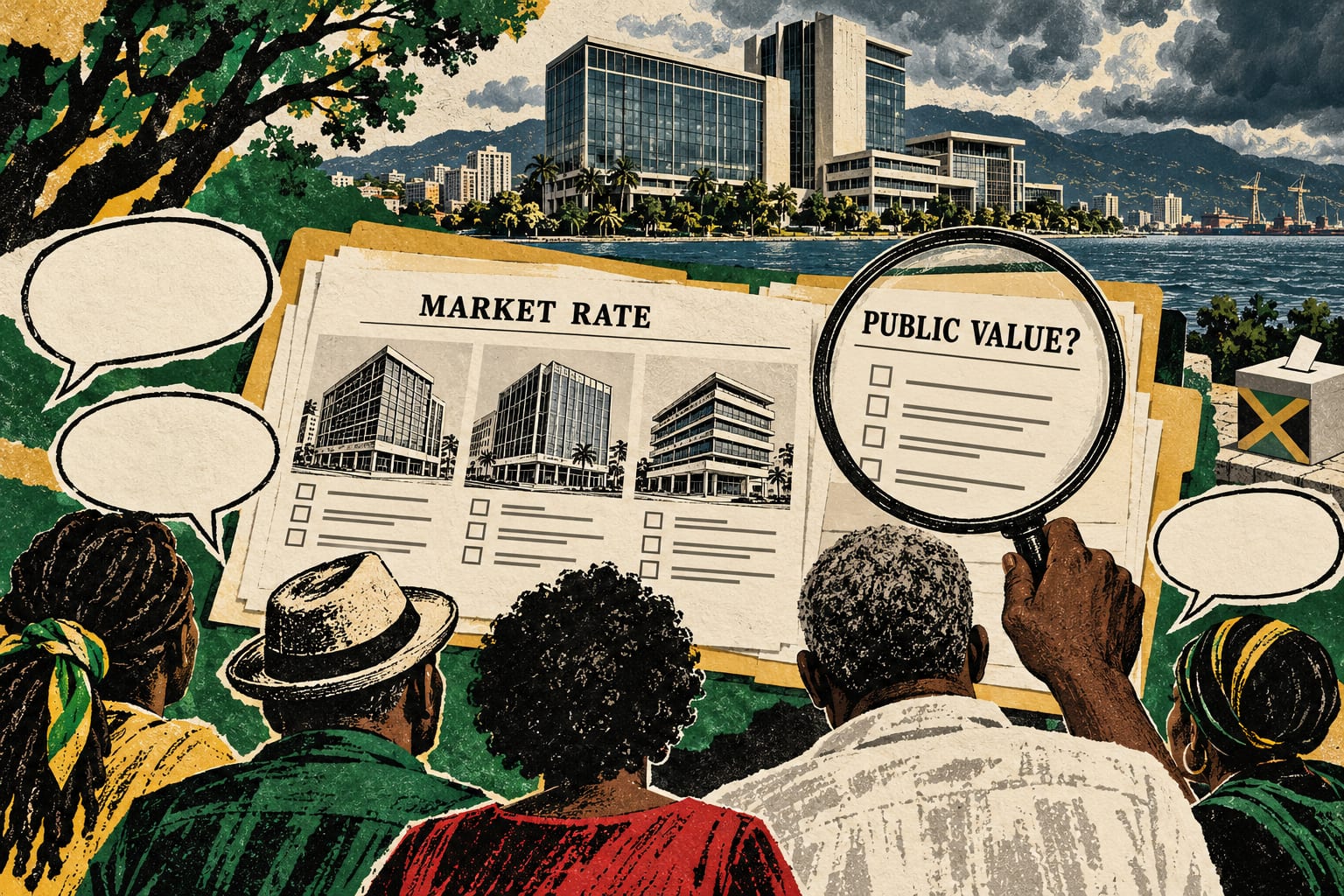
The Government has maintained that the building meets important resilience requirements and that the rental rate was reviewed by the National Land Agency and found consistent with market conditions. Those are legitimate considerations. A national reconstruction authority should certainly operate from premises capable of functioning during hurricanes, earthquakes and other emergencies.
But market rate does not automatically mean best value for taxpayers.
A private company may reasonably decide to pay a market rate for a particular building because the location, facilities and infrastructure serve its commercial interests. Government expenditure is different. Government spends other people’s money – the people’s money. Therefore, the relevant question must always be: Is this expenditure necessary, proportionate and demonstrably in the public interest?
This is where citizens must remain vigilant.
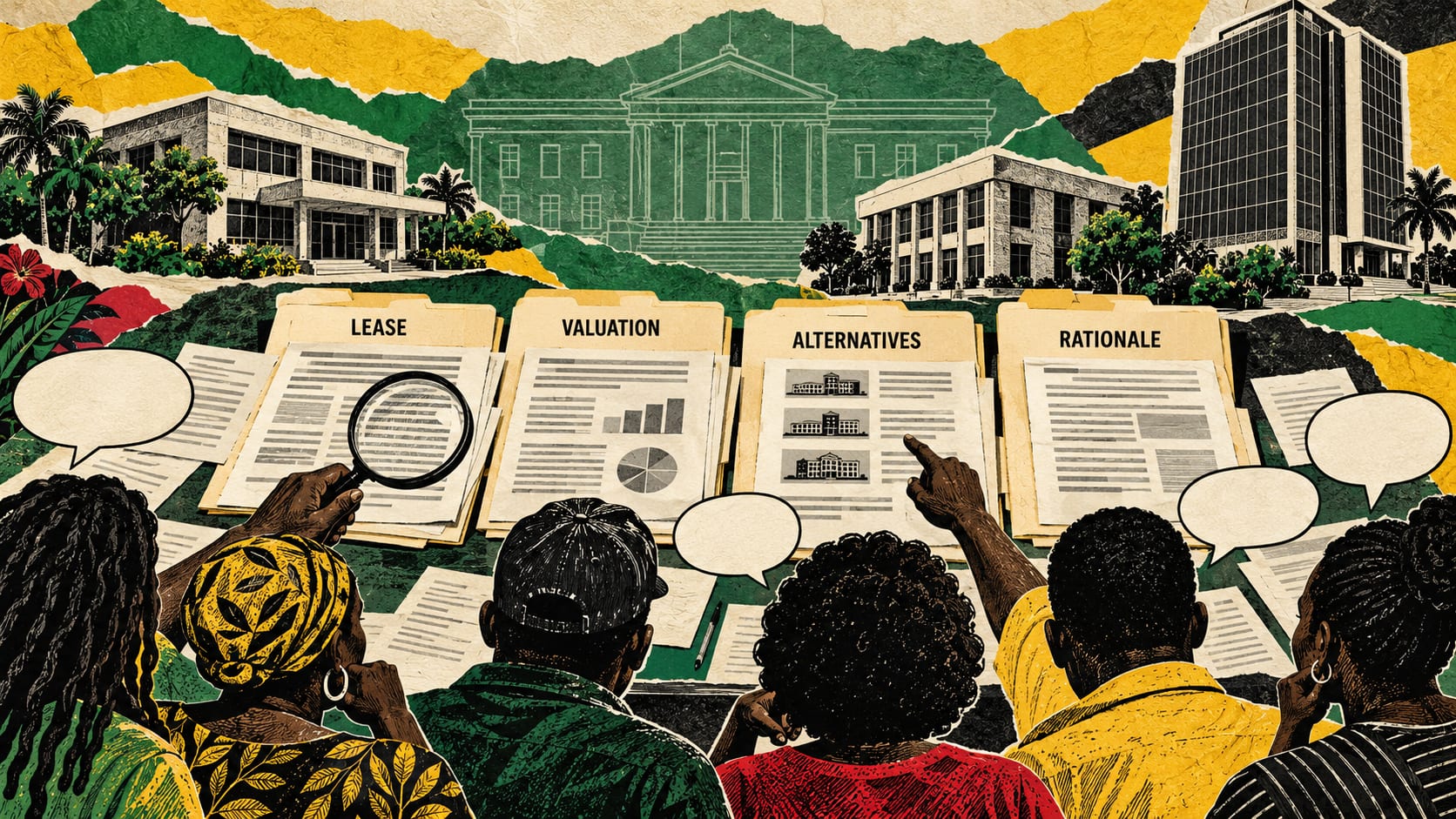
The controversy has also raised questions about the use of existing government facilities. The legislation establishing NaRRA reportedly contains a provision requiring the authority, where lawful and practicable, to utilise existing government capacity, resources, facilities and systems. Whether suitable alternatives were genuinely available therefore deserves a transparent answer.
Citizens should not be satisfied merely because the Government has reduced the proposed expenditure. We should ask to see the lease arrangements, the valuation, the alternatives considered and the rationale behind the final decision. Accountability should not end when public outrage subsides.
Yet there is an equally important warning for the people.
The power of the people must be exercised responsibly. Public anger is powerful, but anger alone is not accountability. Citizens must distinguish between legitimate scrutiny and political opportunism. We must demand facts, documents and explanations rather than automatically accepting whichever political narrative confirms our existing beliefs.
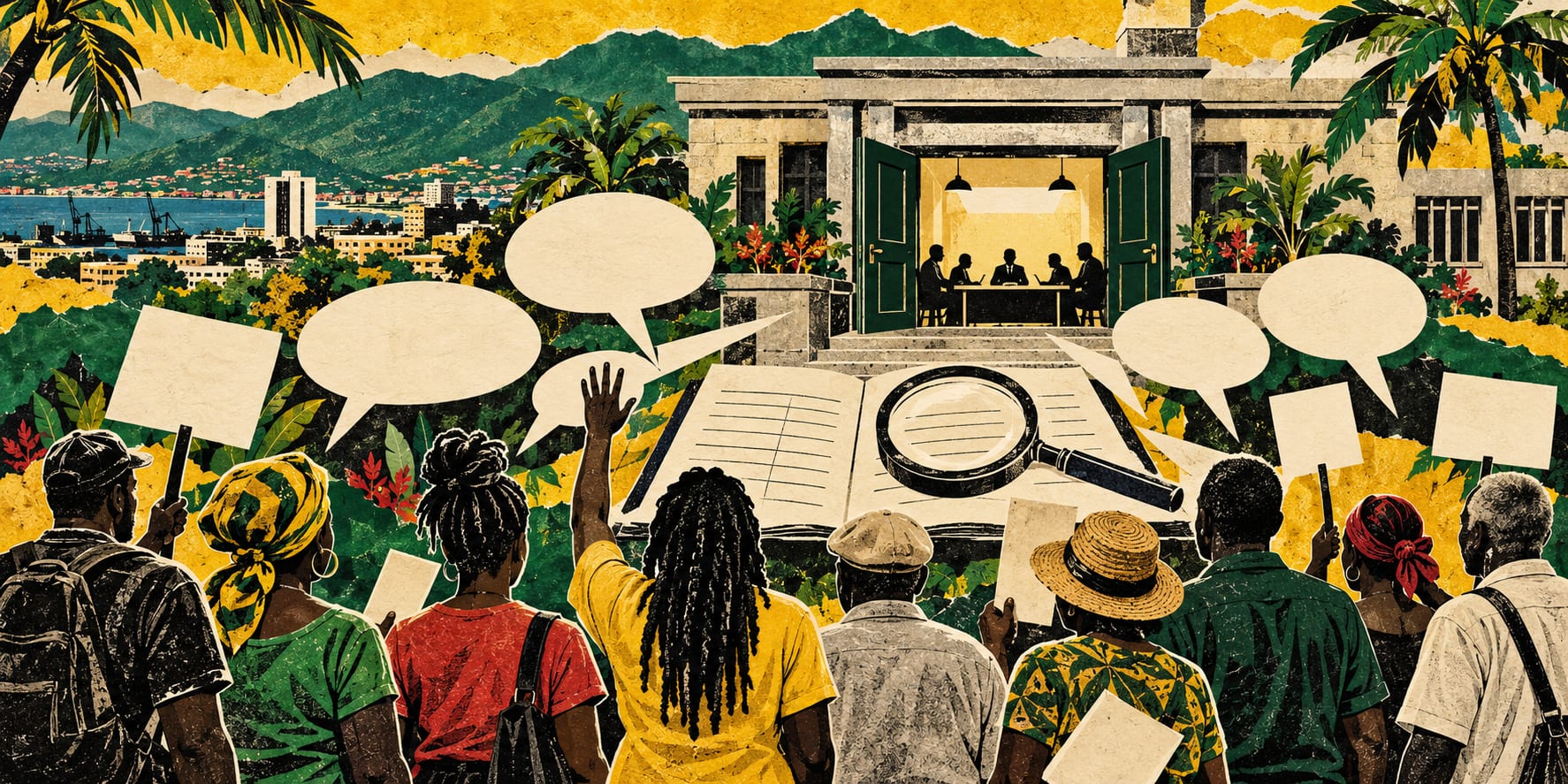
The ultimate victory, therefore, is not simply getting Government to spend less. It is establishing a culture in which Government understands that every significant expenditure will be questioned, examined and justified to the people who finance it.
That is what democracy looks like when it is alive.
The NaRRA controversy reminds our leaders that the Jamaican people are watching. It reminds citizens that their voices matter. And, perhaps most importantly, it demonstrates that when citizens speak collectively, persistently and intelligently, government can – and sometimes must – listen.
The power of the people is not merely the power to elect governments. It is the power to hold them accountable after they are elected.
Oneil Madden is a Lecturer of Academic Literacy and French and a PhD Candidate in Applied Linguistics, Université Clermont Auvergne, France. He can be contacted at: [email protected]



Comments