
Rapid adoption of digitization in the American banking sector

/ Our Today
administrator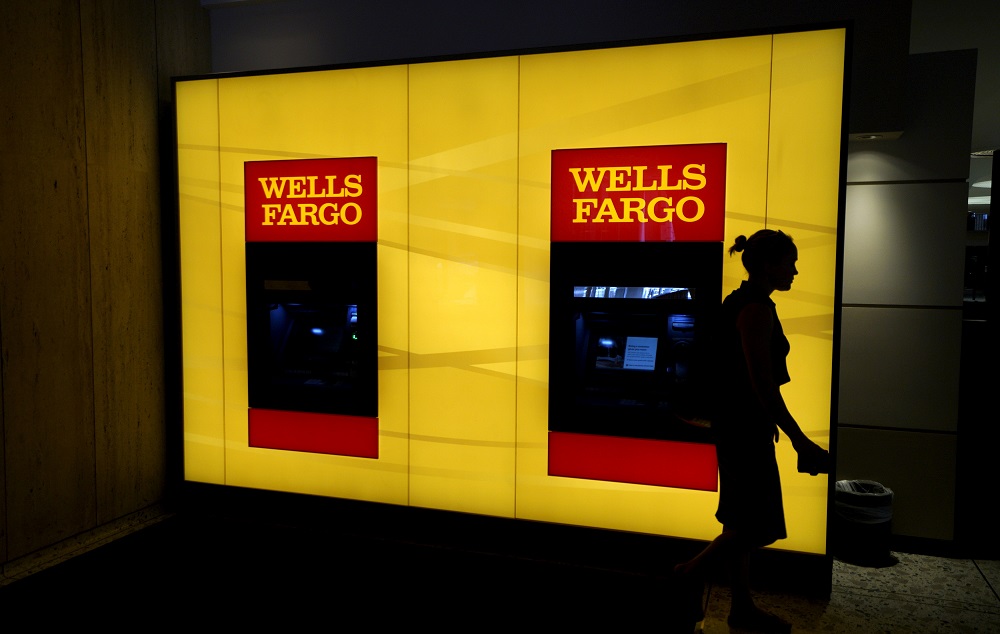
Across the US, banks have been closing doors at a rate of three per day over the last 10 years thanks to among other things the rapid adoption of digitization in the banking sector.
While the industry remains strong, customers have realized they do not necessarily need a brick and mortar branch to conduct their banking activities.
Banks closed a record 3,324 branches nationwide in 2020 and opened 1,040 for a net loss of 2,284 branches, according to S&P Global Market Intelligence data.
This is despite a slowdown in mergers in 2020 to 110, down from 261 in 2019, according to Deloitte.
The consulting firm expects more bank closures on the horizon as Mergers & Acquisition (M&A) activity surged at the end of 2020 but this shows that redundant branches are not the only reason for branch closures.
While customers have migrated a great deal to online platforms to carry out their banking, many balk at the prospect of no branch contact at all.
Like in most parts of the country, banks in Philadelphia continue to strive to meet the customer where they are.
M&A activity main driver of branch closures
M&A activity has been the main driver of branch closures, but the COVID-19 pandemic has only accelerated the situation.
According to research, teller transactions are down 30% to 40%.

Vincent D’Alessandro, First Senior Vice President and Regional President at OceanFirst Bank expects M&A activity to remain elevated as banks fail to keep up with customers’ increasing demand for digital services. “We are now fully immersed in the modern-day reality that we are living in a digital world,” he said in an interview with Invest.
He adds that, “clients are looking for multiple channels through which to do business including having access to a full array of sophisticated and advanced products.”
Some analysts posit that there will always be demand for bank branches.
“For us, brick and mortar is an important component of our delivery channel, model and brand,” said Joseph Tredinnick, Market President of Republic Bank to Invest.
He attributed large-scale branch closures to consolidation among large banks, who often find themselves with duplicate branches in the same location after a merger.
This sentiment was echoed by Anthony DeSalle, President and CEO of Crest Savings Bank, who insists that community banks will always have a place in the market given that they are strongly tied to their communities and local decision-making is of great value to customers arguing that, “the branch experience is still necessary. We have the technology for the virtual engagement of our customer, but the more complex, personal transactions are better suited for face-to-face interaction in a branch.”



Comments