
Seabed Authority resumes negotiations on deep-sea mining moratorium

/ Our Today
administrator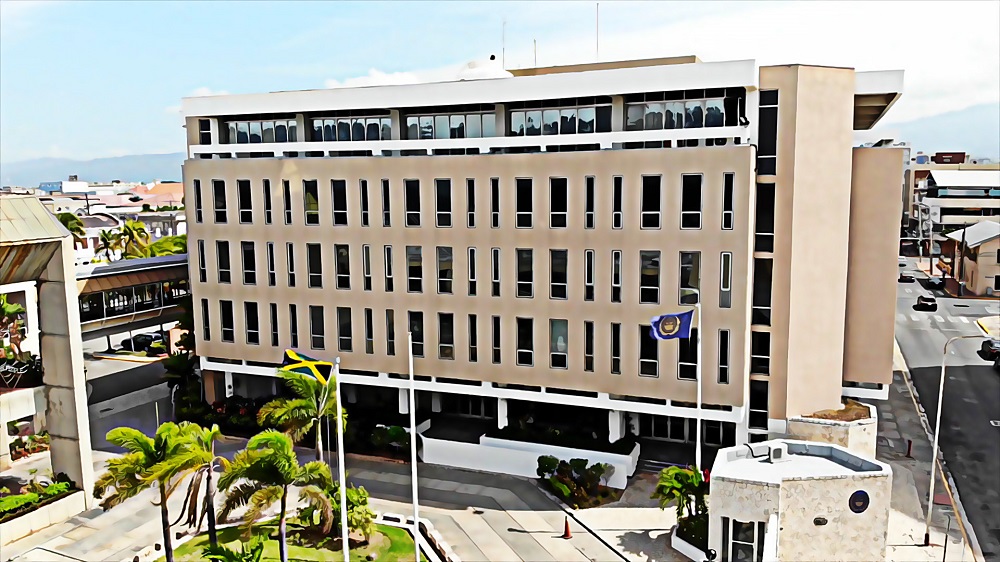
Durrant Pate/ Contributor
The Kingston-based International Seabed Authority (ISA) has resumed negotiations in search of rules to regulate deep-sea mining in the wake of Donald Trump’s controversial decision to unilaterally authorise this controversial industry.
The ISA, created by the United Nations Convention on the Law of the Sea (UNCLOS) has spent more than a decade in the Jamaican capital city negotiating a “mining code”—a package of rules to regulate the exploitation of the seabed in international waters, which holds coveted minerals essential for the energy transition, such as cobalt, nickel, and copper.
The 36 member states of the ISA Council, the organisation’s executive body, began two weeks of new negotiations Monday in Kingston to define the mining code. “Our shared goal remains to conclude negotiations in 2025,” wrote Council President Duncan Muhumuza Laki in a letter mentioning the possibility of an additional session in the fall to meet the timeline established in 2023.
In April, American President Donald Trump made headlines by ordering his administration to fast-track permits for deep-sea mining, even beyond US waters, taking advantage of the fact that the United States is not a member of either the ISA or UNCLOS. Canadian company, The Metals Company (TMC), immediately seized the opportunity and submitted the first offshore license application, bypassing the ISA—a move criticised by NGOs and numerous countries.
“Reckless and unworkable”

Commenting on this, Louisa Casson of Greenpeace declared the move “reckless and unworkable” while urging negotiators not to be “intimidated” by TMC’s “unscrupulous” decision. At the previous session in March, the Council was only able to review 55 of the 107 rules proposed for the new code.
Significant divisions remain within the organisation, split between mining supporters and advocates of a moratorium. Chile, Costa Rica, France, and Panama, for instance, support discussing a new timeline and reject the notion that the ISA is “legally or politically” obligated to finalise the mining code this year.
While US policy may inspire other companies, ocean defenders fear the pressure could lead the ISA to adopt a framework that fails to protect deep ecosystems that remain largely unknown. “I hope member states rise to the occasion and decide that the ISA’s credibility as a regulator representing humanity’s interests must take precedence over external pressures,” argued maritime law expert Pradeep Singh. “It is imperative we get this right.”
Beyond negotiations on the mining code, NGOs hope the ISA Assembly, bringing together all 169 member states from July 21 to 25, will finally send a strong message in favour of ocean protection.
Chile will again lead efforts to establish a “general ISA policy for the protection and preservation of the marine environment,” seen as a first step toward a moratorium. However, while the number of countries supporting a moratorium continues to grow (from 12 in 2022 to 37 today, according to the Deep Sea Conservation Coalition), they still fall short of a majority.



Comments