
Strong growth in Indonesia, particularly in last quarter of 2021

/ Our Today
administratorEconomy grew 5.02% on a yearly basis in the October-December quarter

Indonesia’s economy returned to growth in 2021, rebounding from its first contraction in two decades.
The country’s economic growth accelerated in the final quarter of last year as consumption soared following the easing of anti-virus mobility restrictions and as stronger commodity prices pushed exports to record highs. The easing of the coronavirus-induced restrictions has got business back into high gear.
Latest data from Statistics Indonesia, which were released on Monday (February 7), showed that Indonesia, Southeast Asia’s largest economy, grew 5.02 per cent on a yearly basis in the October-December quarter, compared with 3.51 per cent growth in the previous quarter.
During the quarter, household consumption, which accounts for over half of Indonesia’s gross domestic product, grew 3.6 per cent, quickening from the one per cent growth in the previous three months.
Investment and public spending also grew faster in the fourth quarter, which Statistics Indonesia say is due to the resumption of government and private sector activities that were halted in the third quarter. Export growth also picked up to 29.8 per cent from 29.2 per cent in the previous quarter as prices of export products like palm oil, coal and nickel stayed high.
Domestic economy expanded by 3.69%
According to the data, the domestic economy expanded 3.69 per cent, compared with a 2.07 per cent contraction the year before, as the country recovered from the impact of the COVID-19 pandemic but the outlook for this year is clouded. This is based on the fact that rising COVID-19 cases, potential financial market volatility due to a global monetary tightening and Indonesia’s own rollback of monetary and fiscal stimulus could threaten its economic prospects.
Indonesia was hit by a deadly wave of COVID-19 cases in July-August, but mobility curbs were eased towards the end of August as infections fell. COVID-19 cases are currently rising again in Indonesia due to the spread of the Omicron variant.
On Sunday 36,057 new cases were reported, the highest since August. However, authorities have not re-imposed strict anti-virus measures.
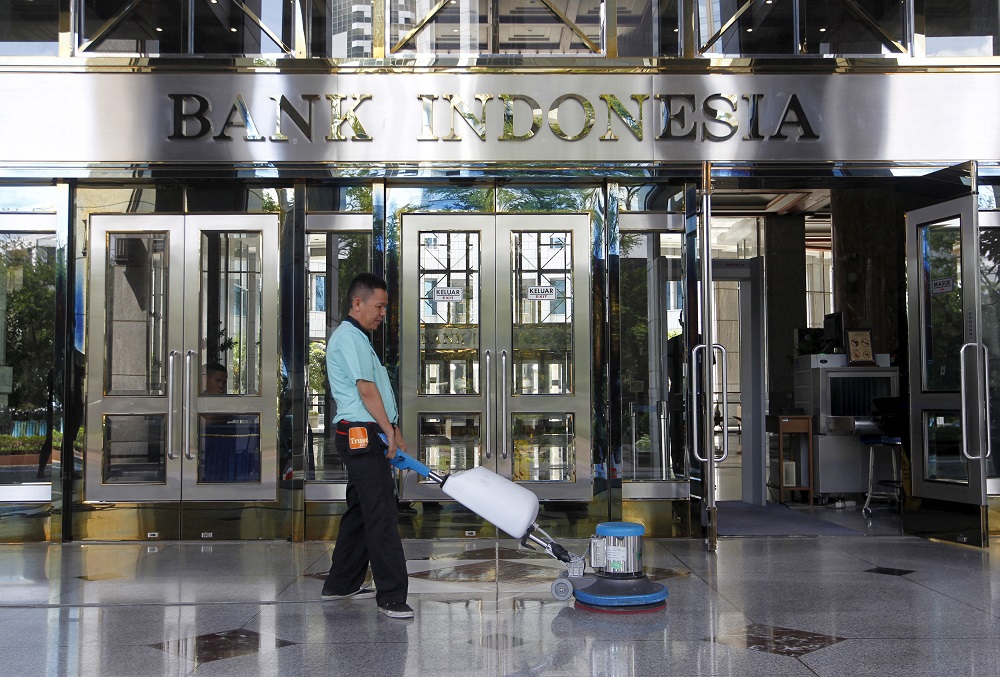
With growth being recorded, the Bank Indonesia will start unwinding easy monetary policy with hikes in banks’ reserve requirement ratio starting in March. The tightening is seen as preparation for US rate hikes, which have in the past roiled Indonesian financial markets.
Meanwhile, the value added tax rate on most goods and services is set to rise in April, as part of the government’s fiscal normalisation policy. Export contribution to growth could also be curtailed by a ban on overseas shipments of coal in January and a newly implemented domestic sale requirement for some palm oil products.






Comments