
“Temporary” is wearing thin as BOJ heads into Monday’s rate decision

/ Our Today
administrator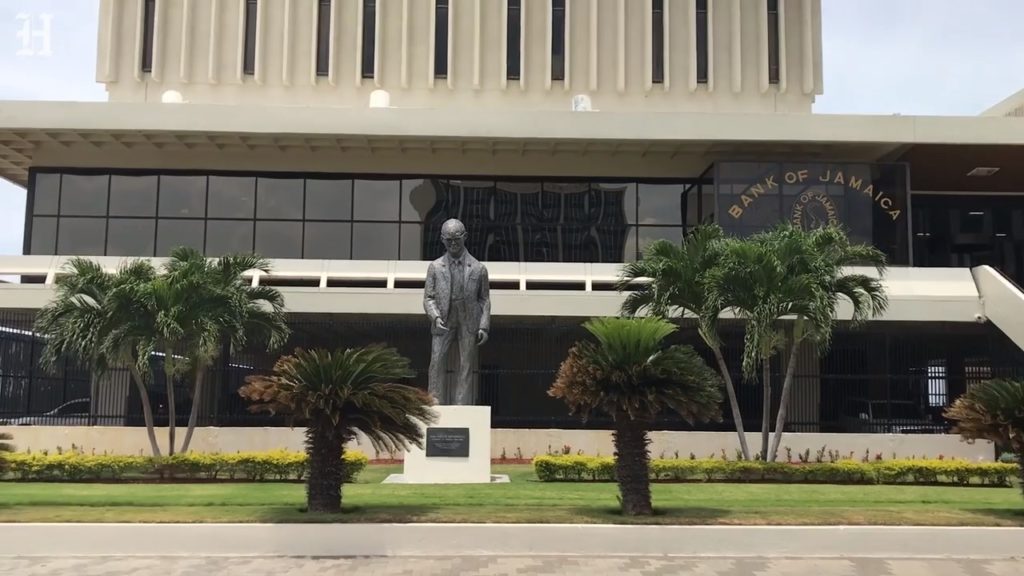
The Bank of Jamaica’s Monetary Policy Committee (MPC) announces its next decision on Monday, September 28, and it does so facing a harder question than at any point this year.
The fuel shock is no longer in doubt. What remains open is whether the Central Bank can still describe its effects as passing.
The headline numbers have moved one way. STATIN data show annual inflation at 5.5 per cent in May, 6.7 per cent in June, 7.5 per cent in July and 7.9 per cent in August, the third straight month above the BOJ’s four to six per cent target. Petrojam’s pricing has added to the pressure since the August print: E-10 87 gasoline has risen $6.12 per litre in two weeks, and automotive diesel is about 24 per cent above its end-June level.
The bank’s case for holding at 5.50 per cent is a reasonable one. In August, the MPC voted unanimously to keep the rate unchanged, arguing that most of the pressure was imported through oil prices tied to the Middle East conflict and the Russia-Ukraine war. It projected inflation would stay above target through the September quarter before easing, and credited a stable exchange rate with limiting pass-through. Higher rates cannot lower the price of crude. With growth projected at 1.0 to 3.0 per cent for FY2026/27 and risks tilted to the downside, tightening during post-Hurricane Melissa reconstruction carries a real cost.
The difficulty is that the BOJ has told the market exactly what it is watching, and those indicators are moving. The bank says its policy is focused on second-round effects, the stage at which energy and transport costs spread into the wider price of goods and services. Core inflation, which excludes farm food and fuel, reached 5.2 per cent in July, up from 3.9 per cent in January. The bank itself attributed July’s rise partly to the second phase of route taxi fare increases and to higher electricity rates, which are precisely the channels it said it wanted to contain.
A second strand of the August statement deserves more attention than it received. The MPC cited domestic demand pressure from an expansionary fiscal stance supporting reconstruction. That source of inflation is homegrown, and it is the kind interest rates are designed to address.

Expectations are the third test. The bank named rising inflation expectations as an upside risk in August. Its April business survey had already shown the share of firms naming fuel and transport as their main cost pressure nearly doubling from February. Once businesses build higher costs into their pricing plans, the gap between a temporary shock and persistent inflation narrows quickly.
Monday’s decision also carries a leadership dimension. This will be Governor Brian Langrin’s own call after almost six weeks into the job and will set the tone for how the bank will read the data over the coming quarters.
On August 20, 2026, Governor Langrin spoke of the Central Bank’s commitment to maintaining price stability. He said: This commitment is clear: price stability is the foundation of Jamaica’s economic resilience, and the Bank of Jamaica will act decisively to protect it.”

That has all changed now with oil going above US$100 a barrel on the world market and Jamaica’s inflation nearing 8 per cent. Tourism arrivals and receipts are down, agriculture is down, consumer confidence is down, the trade gap continues to widen, and the Federal Reserve has increased rates for the first time since 2023. Prices will continue to go up in the near term. It is more likely that Governor Langrin and his team will have to raise rates to counter escalating inflation. His options, given where the Jamaican economy is right now, are limited.
In August, the committee said it was prepared to adjust policy if upside risks materialised and threatened a return to target within the shortest possible time. Since then, inflation has risen again, gasoline has climbed in consecutive weeks, and diesel has posted a $10.50 single-week increase. If the MPC holds on Monday, it will need to explain which of those conditions has not yet been met. If it moves, it will be conceding that the word it has leaned on since May no longer fits the numbers.
Last month the Bank of Jamaica maintained the policy rate at 5.50 per cent, reflecting the committee’s assessment that the recent rise in inflation has been driven primarily by temporary external and administrative factors. The Bank of Jamaica then expected headline inflation, recorded at 7.5 per cent at July 2026, to gradually return towards the target range of between 4 per cent and 6 per cent over the near term.
This may well be a tad optimistic. The Bank of Jamaica cannot assess that the uptick in inflation is just temporary and that everything is hunky dory.






Comments