
Sargassum: A Growing Headache For Hellshire Fisherfolk
A once bustling weekend afternoon at Hellshire Beach can usually be counted on to bring the sounds of people, vendors, boats and fishermen returning with their catch. However, on a recent afternoon, the scene was strikingly different.
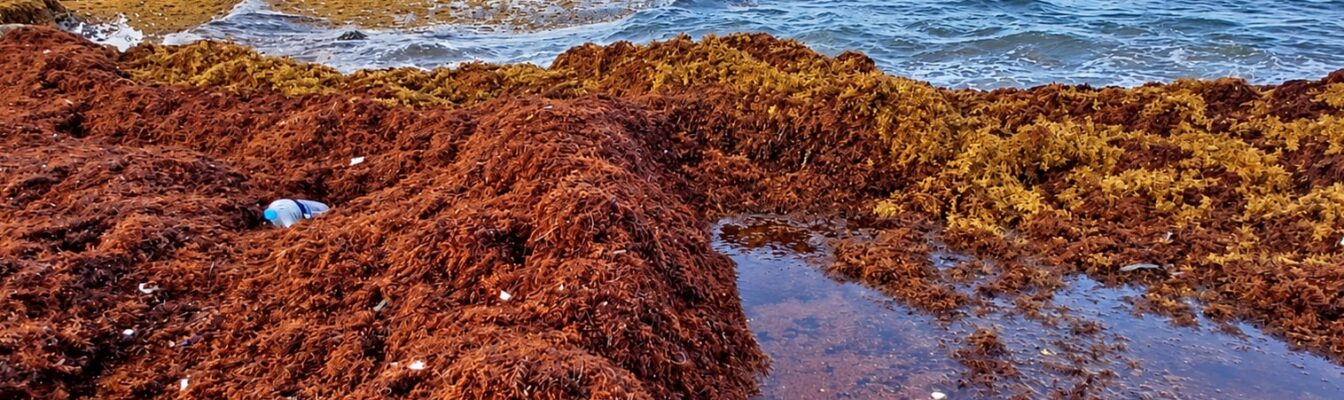
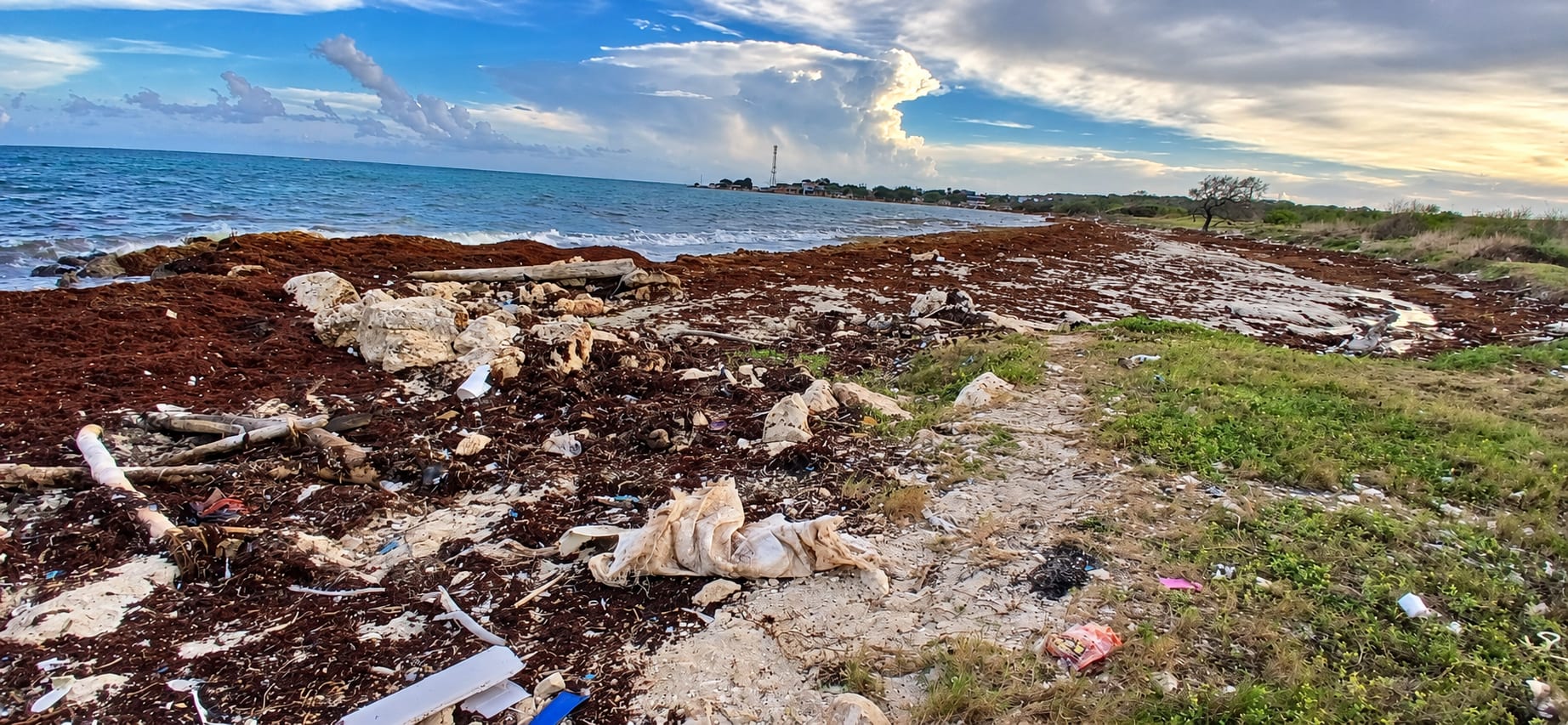
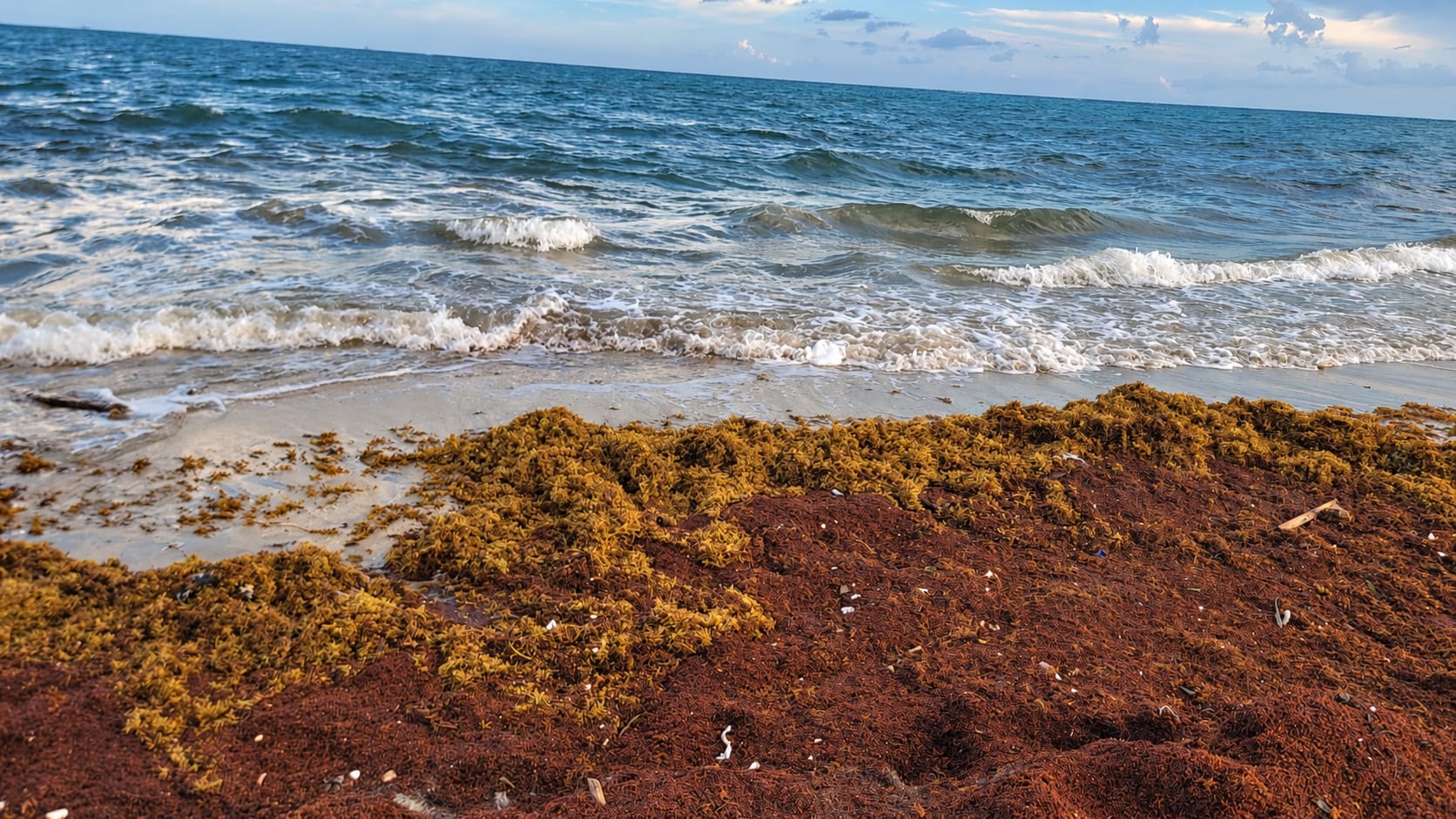
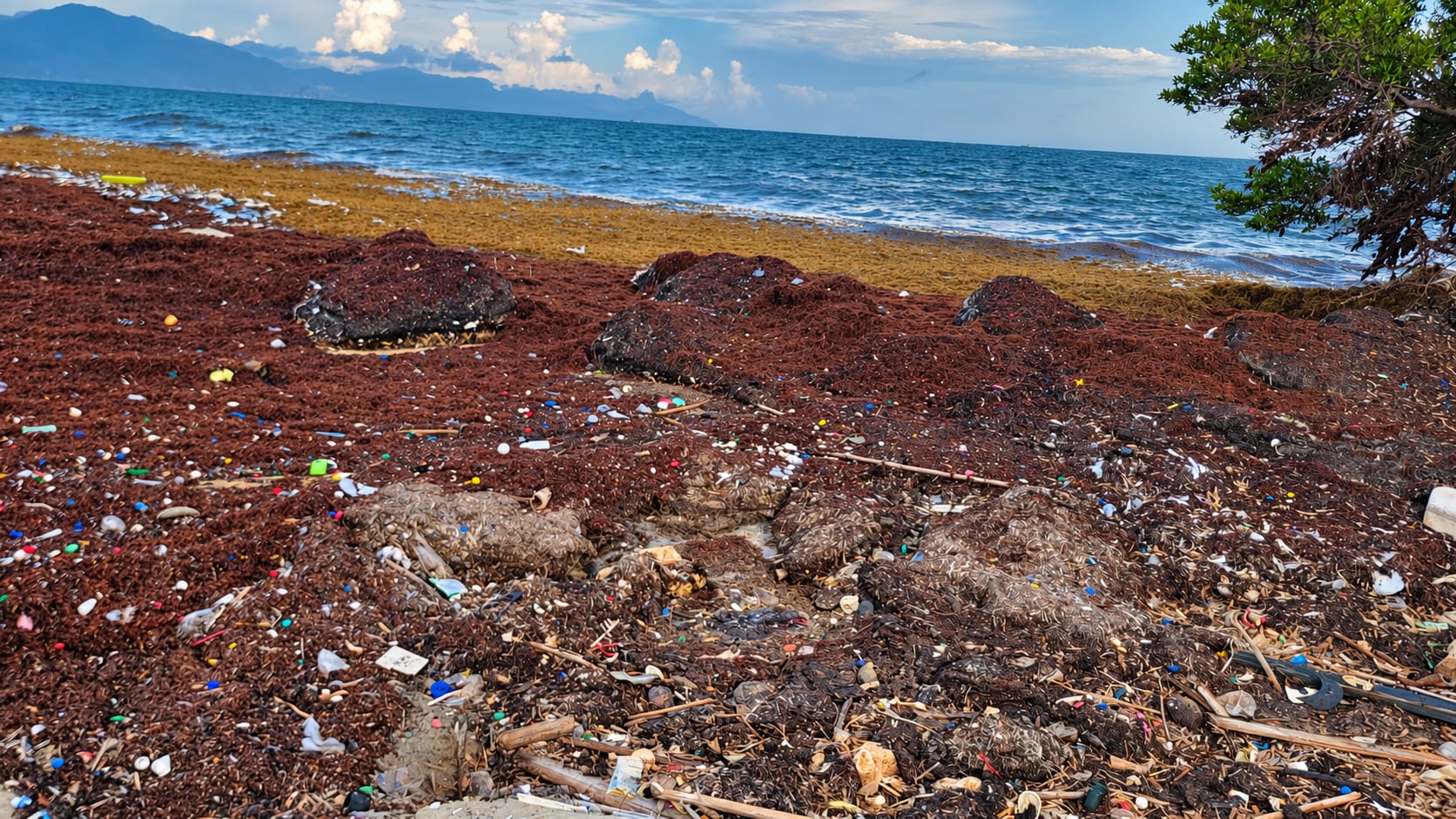
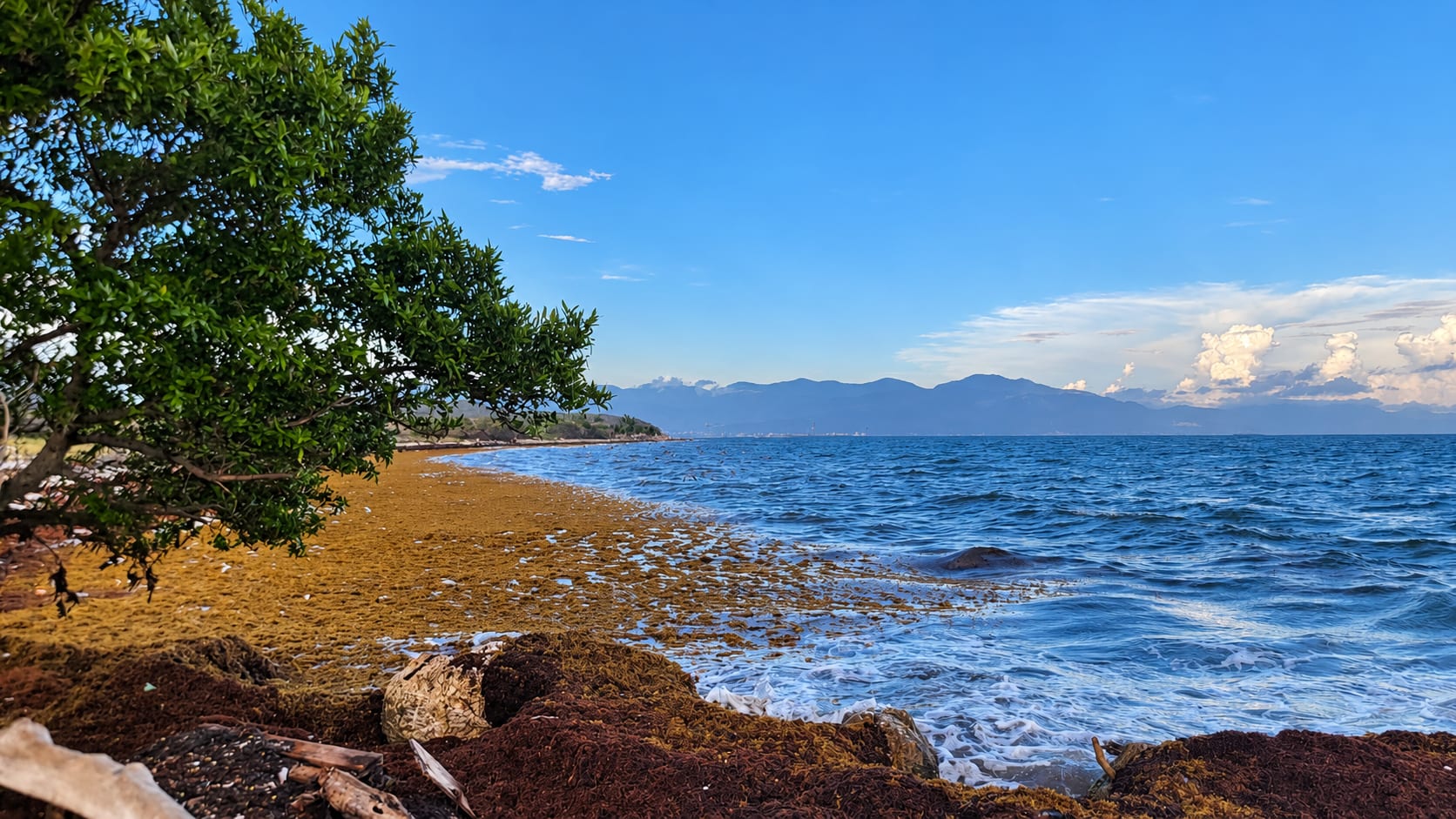
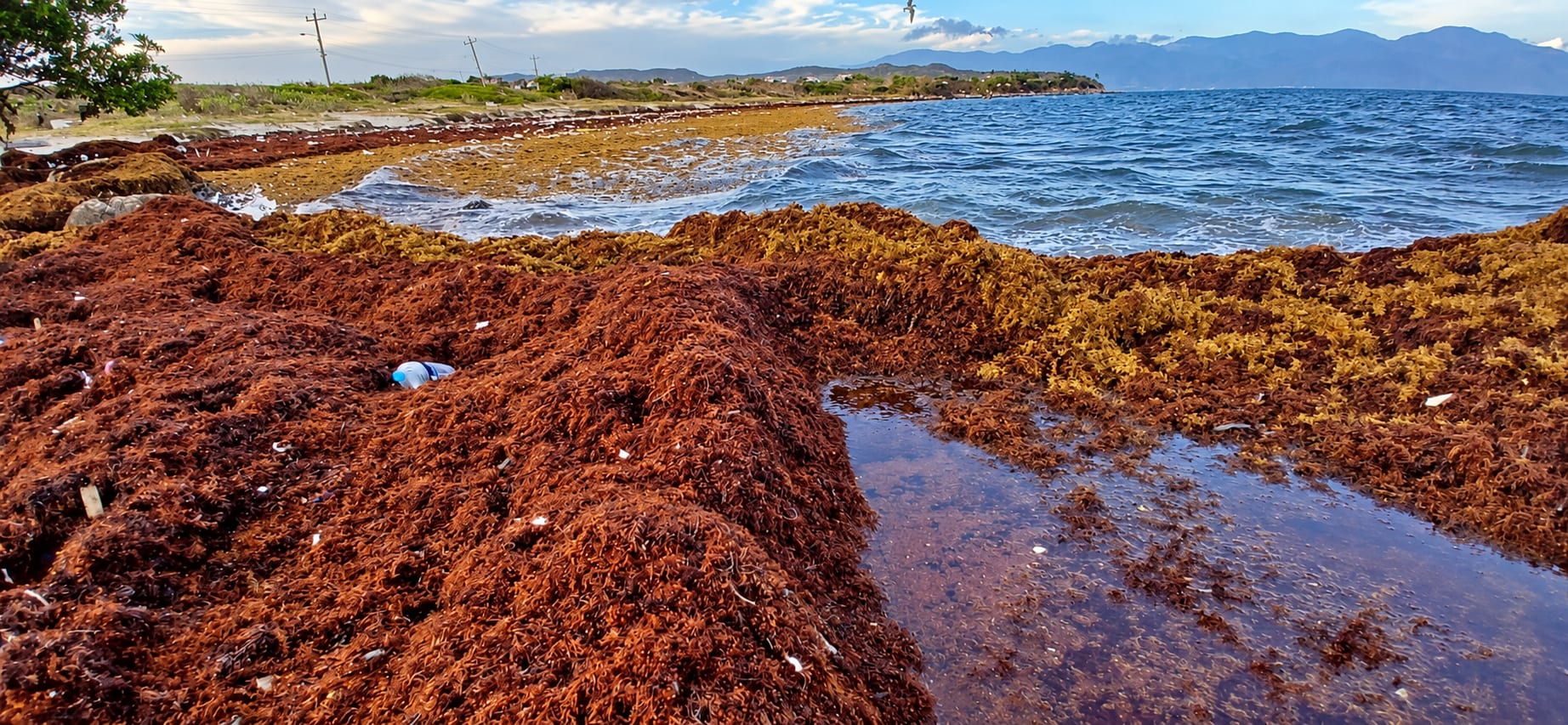
The shoreline was unusually quiet, with only a handful of people moving along the beach. Instead of patrons enjoying the seaside, large quantities of brown Sargassum weed had accumulated along the shoreline, mixed with garbage washed in from the sea.
Behind the unpleasant smell and unsightly piles is a much bigger problem, one that is hitting the pockets of fisherfolk who depend on the sea to feed their families.*Dwayne, a fisherman who has been making his living from the sea for more than 20 years, said the annual influx has changed the way he and other fishermen operate. He said fish that were once readily available closer to shore have become harder to find, forcing fishermen to travel farther into the sea in search of their catch.
“Before the Sargassum weed, we would catch up to 100 pounds of fish per day,” Dwayne said. Now, he said, the catch has fallen to between 30 and 50 pounds on many days, and sometimes even less. The reduced catch comes at a time when the cost of going to sea is rising.
Travelling farther means using more fuel, while fishermen also face the additional risk and wear associated with spending longer periods offshore. “We have to go further out now,” Dwayne said, explaining that the weed has affected areas where fishermen once regularly found fish.
More Than An Eyesore
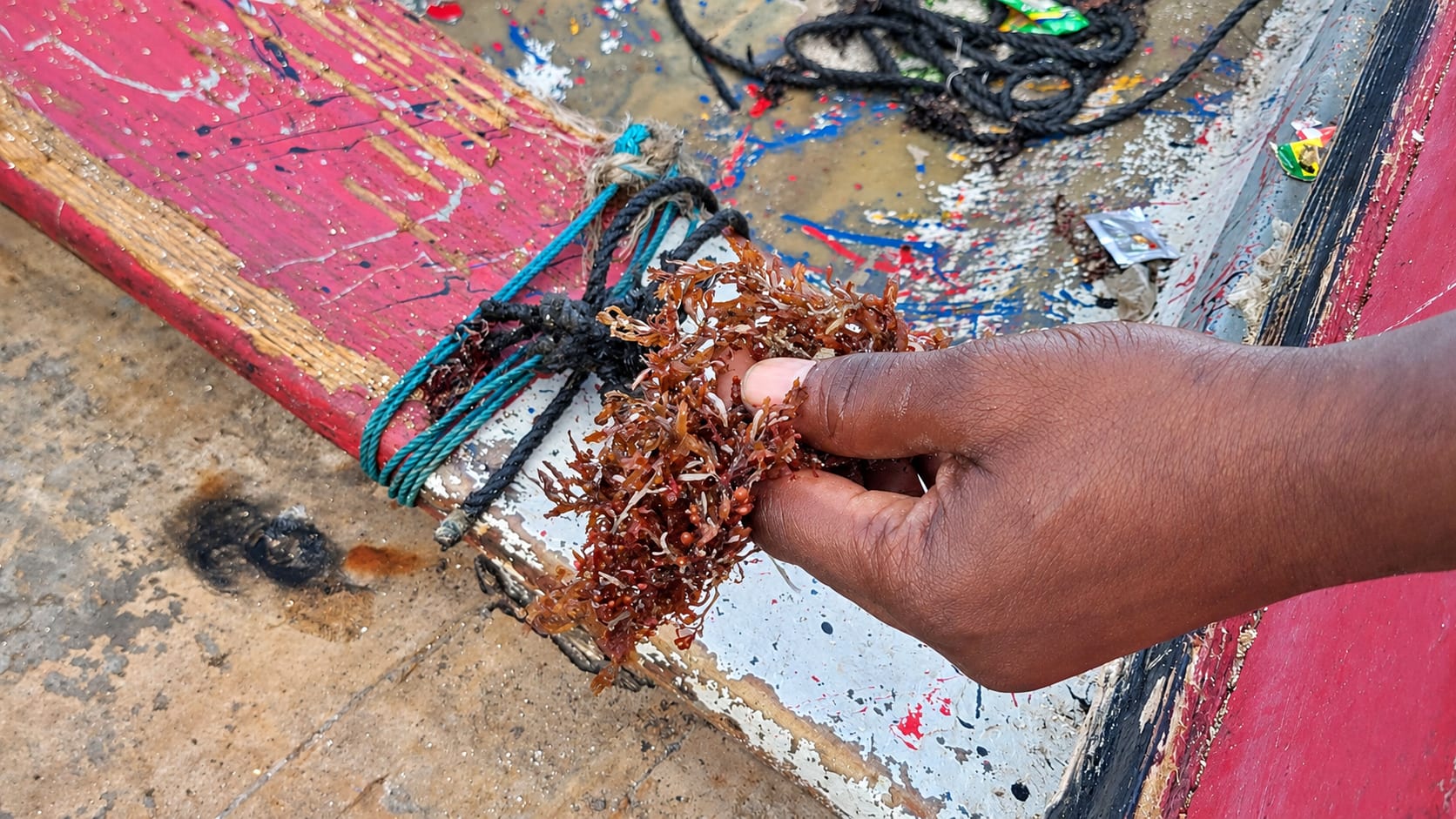
Sargassum is not inherently a bad thing. The free-floating brown algae provide habitat, food and shelter for numerous marine organisms, including fish, sea turtles and other species. It also plays a role in beach nourishment and shoreline stability. The problem arises when unusually large quantities wash ashore and remain there to decompose.
Jamaica has been experiencing significant Sargassum influxes for years, with the National Environment and Planning Agency (NEPA) describing the phenomenon as part of the ‘new normal’ affecting the wider Caribbean. Beaches in several Jamaican parishes have been impacted.
The phenomenon is also not simply coming from the traditional Sargasso Sea. Since 2011, a large population known as the Great Atlantic Sargassum Belt has developed in the tropical Atlantic. Ocean currents and seasonal winds transport large mats westward towards the Caribbean, where they eventually wash ashore. Scientists have linked the growth and movement of these blooms to factors including ocean temperatures, nutrients, winds and ocean circulation.
That helps explain why the problem can appear around the same period each year, although the amount reaching Jamaica varies.
Research involving Sargassum collected from Jamaican beaches has also confirmed that the recurring influx is part of a wider regional phenomenon affecting fisheries, coastal communities, tourism and public health.
Another Hellshire fisherman, *Captain, who has been fishing for more than 40 years, said the problem has become particularly noticeable in recent years. He estimates that the local situation has become much worse over roughly the past five years. For fishermen, the weed is not just something they have to step over on the beach.
It can get into boat engines, making them difficult to operate and adding to maintenance and repair costs. Thick mats can also make navigating through the water more difficult. “Sometimes the weed is as thick as cabbage,” Captain said.
He is also concerned about what happens when the weed remains on the shoreline and begins to rot. NEPA has warned that decomposing Sargassum can produce hydrogen sulphide gas and has been associated with fish kills and other ecosystem impacts.
The decomposition process can also release ammonia and other compounds. Health research in the Caribbean has linked exposure to decomposing Sargassum emissions with respiratory, neurological and digestive complaints. People with asthma and other respiratory conditions may be particularly vulnerable.
That could be particularly concerning at beaches where people live, work, swim or sell food. Residents and beach users have reported irritation and unpleasant odours around heavy accumulations. The smell is not simply an inconvenience; it can be a sign of gases being released as the organic material decomposes.
The Hidden Cost
The economic impact extends beyond the fishermen. When a beach becomes covered with Sargassum and marine debris, fewer people may want to spend time there. That can affect vendors, food sellers, recreational operators and others whose income depends on visitors.
Fishermen, meanwhile, can face a double financial hit, spending more on fuel to travel farther while returning with less fish. Dwayne’s experience of a daily catch falling from as much as 100 pounds to between 30 and 50 pounds illustrates the scale of the problem at the individual level, although his figures represent his own experience rather than an island-wide measurement.
The environmental cost can also be complicated. Sargassum floating offshore provides important habitat, but excessive accumulations along coastlines can contribute to oxygen depletion and other changes as the material breaks down. Researchers have documented effects on coastal ecosystems and marine life, including mortality of flora and fauna in heavily affected areas.
The seaweed can also collect plastics and other marine debris, creating another problem when large quantities wash ashore.
Turning A Problem Into An Opportunity
Yet Captain does not believe the weed should be viewed only as a nuisance. He sees an opportunity for farmers. His suggestion is to wash the Sargassum thoroughly to remove salt and unwanted material before using it as mulch or an agricultural input.
He believes the material can help retain moisture and keep the soil cooler during periods of intense heat.
There is growing interest across the Caribbean in finding productive uses for Sargassum, including agricultural and other applications. However, the material cannot simply be collected from the beach and spread on farmland without consideration of its composition.
That is particularly important because Jamaican authorities have previously raised concerns about contaminants in some Sargassum samples, including elevated cadmium.
The challenge, therefore, is to find safe and practical ways to process the weed before it becomes an agricultural resource. Captain said the idea is worth pursuing. “It is the best fertiliser,” he said, while acknowledging that removing the salt and seeds from the weed can be a tedious process.
A Problem That Needs A Wider Response
The fishermen of Hellshire are not asking for Sargassum to disappear overnight. They know the weed is part of a much larger ocean phenomenon. What they want is a better way to manage its impact on their livelihoods.
That could mean stronger monitoring of Sargassum movements, better information for fishing communities, research into safe commercial and agricultural uses, improved beach-management practices and greater support for coastal communities facing repeated influxes.
NEPA has cautioned against using heavy compacting equipment to remove Sargassum because of the potential damage to beaches and the removal of sand during clean-up. The problem also requires care because Sargassum itself is part of the marine ecosystem.
The challenge is finding the balance between protecting that ecosystem and protecting the people whose livelihoods depend on the same coastline. At Hellshire, that balance is becoming harder to ignore.
The quiet shoreline, the reduced catches, the extra fuel costs and the weed-clogged boats tell a story that goes beyond an untidy beach. According to the fisherfolk, Sargassum is no longer just something washing up on the shore. It is becoming a threat to the way they make a living.
For feedback email: [email protected]




Comments