‘Think twice’: ISA warns Canadian firm against plans to start deep-sea mining

/ Our Today
administrator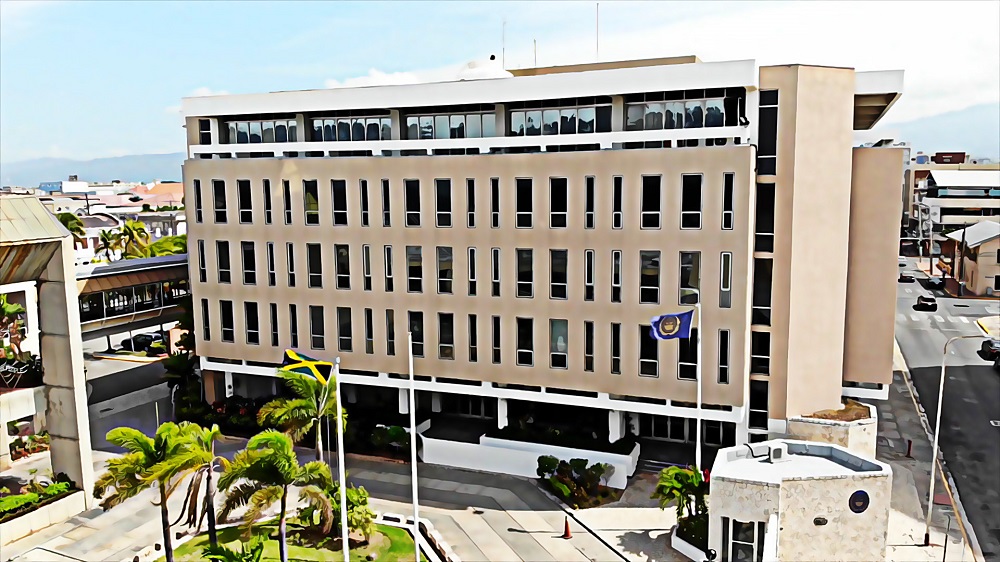
Durrant Pate/Contributor
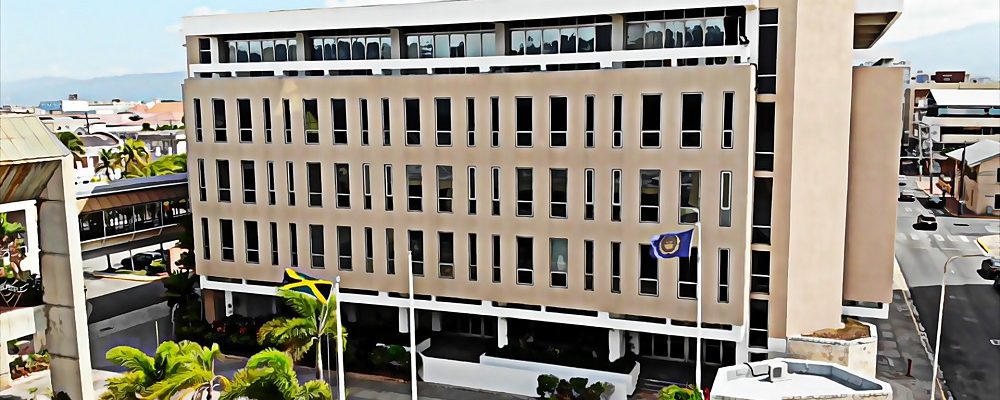
The Kingston-headquartered International Seabed Authority (ISA) has issued a warning to Canadian firm, The Metals Company (TMC), over its plans to launch deep-sea mining operations in international waters via US authorisation and without its prior green light.
In a text adopted on Monday (July 21), the ISA’s executive body in the Jamaican capital urged its legal and technical commission to “pay specific attention” to companies whose activities could be in “potential non-compliance” with international law.
The wording is clearly referring to TMC, which turned its back on the ISA and its jurisdiction by filing a US application in April for a deep-sea mining permit.
US crating its own mining licence
The move came after US President Donald Trump issued an executive order calling for his administration to unilaterally issue mining licenses, including in international waters. If approved, it would be the first such license issued by any country or body. Interestingly, the US is not party to the ISA, established in 1994 or the UN Convention on the Law of the Sea, through which the authority was created.

TMC subsidiary, Nauru Ocean Resources Inc., is the holder of an exploration contract for an area of the Clarion-Clipperton Zone in the Pacific Ocean since 2011. This licence expires in one year.
Nauru, which is the third-smallest country in the world, is among the ISA’s 170 members and has special rights to a deep-sea mining area of the Pacific Ocean in international waters under international oceans law.
However, the ISA’s jurisdiction of the CCZ has been challenged by the US, which claims its own authority over deep-sea mining in international waters through its high seas mining legislation.
Licence could be revoked
Should the ISA find TMC and Nauru in violation of international law, the company could lose its exploration permits previously issued by the authority. At the just-ended ISA meeting in Jamaica, delegates raised concerns over the conduct of TMC and the US.
A new contract between Nauru and TMC is dated May 29 and was filed with the US Securities and Exchange Commission on June 4.
While Nauru’s new contract had not come up in official sessions but international environmental lawyer Duncan Currie, of the Deep Sea Conservation Coalition, reports that the matter was being heavily discussed on the “sidelines” and “in corridors” of the just-ended ISA session.
“It must be clear by now to TMC and its subsidiaries that they face a significant risk of losing their exploration contracts,” declared Matthew Gianni of the Deep Sea Conservation Coalition, an NGO alliance.
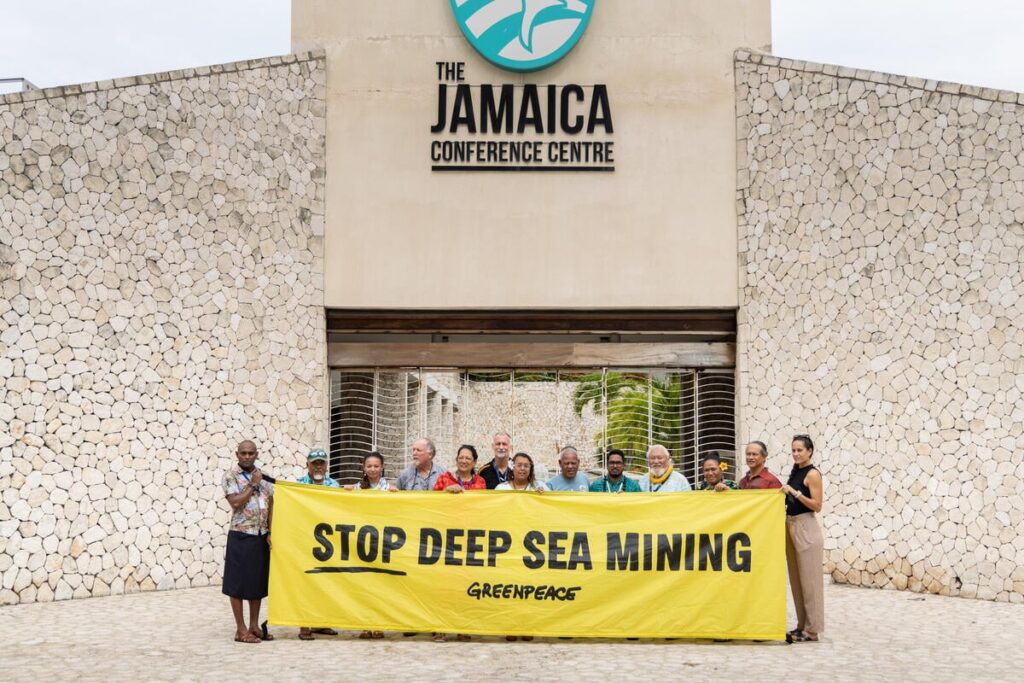
Louisa Casson, who leads Greenpeace’s Stop Deep-Sea Mining campaign, commented that the ISA is sending a “stark warning” to others who might consider the same “reckless path” taken by TMC.
Experts say that Nauru, by entering into this agreement, has placed itself well outside international law. Nations are divided over the desire to exploit the ocean depths for nodules, rich in metals needed for electric vehicles and other emerging technologies — and worries about disrupting, or possibly decimating, fragile ecosystems.
After more than a decade of negotiations, the ISA has yet to reach an agreement on rules to govern the sector.
Thirty-seven countries support a moratorium on deep-sea mining in international waters, with Pacific countries deeply divided on the matter, with supporters including Nauru, Tonga and the Cook Islands, while Fiji, Vanuatu and New Zealand are against it.





Comments