
Three straight BOJ auctions draw 2:1 bids: What it signals about JMD liquidity

/ Our Today
administrator
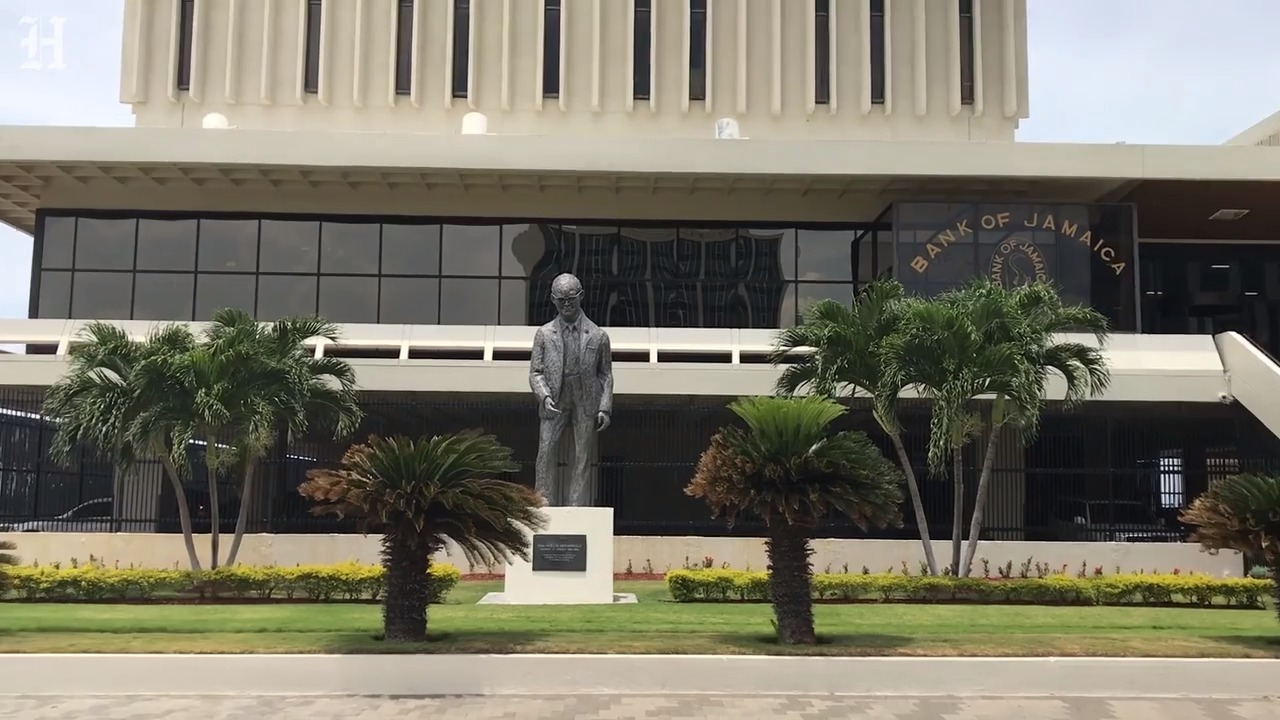
Bank of Jamaica’s 14-day certificate of deposit auctions have drawn roughly double the amount on offer in each of the last three sessions. Treasury desks and fund managers watch that pattern closely. It shows how much surplus Jamaican dollar liquidity sits in the banking system.
The numbers
At the August 24 auction, BOJ allotted J$4 billion against J$8 billion in bids. The weighted average rate came in at 5.96 per cent, within a range of 5.90 per cent to 5.98 per cent, according to the central bank’s published results.
That followed two similar auctions:
- August 10: J$3.5 billion allotted against J$7 billion in bids, weighted average 5.85 per cent
- August 3: J$2.5 billion allotted against J$5 billion in bids, weighted average 5.85 per cent
Each of the three auctions cleared with a bid-to-cover ratio of roughly 2:1.
Why the ratio matters
For a Caribbean investment audience, that ratio works as a liquidity gauge. Deposit-taking institutions bid for CDs when they are holding more idle JMD cash than they can profitably deploy in loans or other short-term assets.
A bid-to-cover ratio that consistently runs at 2:1 or higher points to real surplus. It means commercial banks and other licensees are carrying more liquidity than BOJ’s auction absorbs, even as BOJ has raised the amount it allots, from J$2.5 billion to J$4 billion across the three sessions.
What the rate trend adds
There is a second signal in the rate itself. The weighted average climbed from 5.85 per cent in early August to 5.96 per cent by August 24. The top end of the bid range widened too, from 5.91 per cent on August 3 to 5.98 per cent on August 24.
Under Governor Dr Brian Langrin, BOJ uses the 14-day and 30-day CD auctions, together with its policy rate, as its main tools for managing system liquidity in line with its price-stability mandate. Rising allotments paired with a rising clearing rate suggest the central bank is absorbing more liquidity while paying slightly more to do it. That is consistent with the BOJ keeping pace with liquidity growth in the banking system, not pulling back from it.

What to watch next
The open question for treasury desks is what happens if BOJ allotments level off or shrink while bids stay elevated. Surplus JMD liquidity that cannot find a home at BOJ auctions has historically sought other short-term instruments, including Government of Jamaica treasury bills and the interbank repo market. That flow affects pricing across the short end of the JMD curve. [confirm whether GOJ T-bill auctions over the same period show a similar oversubscription pattern, to establish whether the surplus is system-wide or specific to BOJ’s CD window]
A sustained gap between bids and allotments does not by itself say where short-term JMD rates go next. It is one input among several, alongside inflation data and the policy rate, that regional fund managers and treasury desks weigh when assessing conditions in the short-term JMD market.





Comments