
UK retailers report subdued Christmas spending – BRC

/ Our Today
administrator
LONDON (Reuters): British retailers reported lacklustre sales around Christmas, according to industry data released on Tuesday which may add to concerns that the economy has tipped into a mild recession, less than a year before a likely national election.
The British Retail Consortium (BRC), a trade body for supermarkets and other big stores, said spending in cash terms in December was 1.7 per cent higher than a year earlier, representing a fall in purchases after inflation is taken into account.
“The festive period failed to make amends for a challenging year of sluggish retail sales growth, as weak consumer confidence continued to hold back spending,” BRC Chief Executive Helen Dickinson said.
British shoppers have had to contend with high inflation and the Bank of England raising interest rates to a 15-year high of 5.25 per cent in response to the jump in prices.
Consumer price inflation was 3.9 per cent in November. This was down from 10.1 per cent in January, but wages failed to keep up with prices for most of 2023 and the economy shrank by 0.1 per cent in the third quarter. Economists polled by Reuters expect data due on Friday to show another fall in the three months to the end of November.
In 2023 as a whole, retail spending rose 3.6 per cent, driven by an 8.1 per cent rise in spending on food, the BRC said. Non-food spending over the course of last year fell by 0.1 per cent, with a 1.5 per cent annual drop in the final three months of 2023.
“Christmas shoppers ditched clothing, jewellery and technology gifts, opting for beauty, health and personal care products,” Paul Martin, head of retail at survey sponsors KPMG, said.
So far, Christmas trading reports from retailers have been mixed. Clothing chain Next and discount supermarkets Aldi UK and Lidl GB have reported robust outcomes but sportswear group JD Sports Fashion warned on its annual profit.
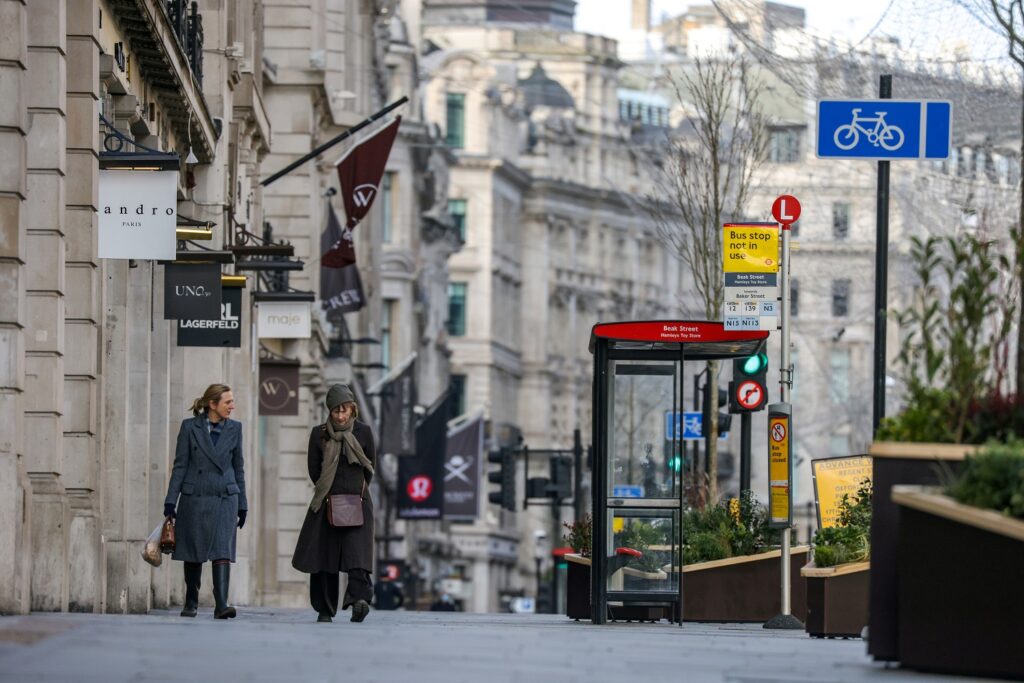
December’s BRC figures marked a slowdown from November’s sales growth of 2.7 per cent.
Official retail sales data – which covers more stores than the BRC – showed a 5.7 per cent annual rise in non-fuel spending for November, or a 0.3 per cent rise in sales volumes after adjusting for inflation.
Separate figures from Barclays also showed weaker spending growth, though the bank saw some silver lining, saying part of the fall reflected lower inflation.
Its customers spent 2.3 per cent more on credit and debit cards in December than a year earlier, down from November’s 2.9 per cent growth.
Spending at petrol stations and supermarkets fell or slowed in December, reflecting lower fuel prices last month and seasonal promotions in November which encouraged shoppers to stock up. But spending in pubs, bars and clubs was up strongly.
“We expect (inflation) to fall further in the opening months of 2024. This puts more spending power in the pockets of UK consumers and should help support them to continue to spend, even against the tough backdrop of weak economic growth,” Barclays Chief Economist Jack Meaning said.


Comments