
First Central American country to be so declared, having not recorded any case since 2017

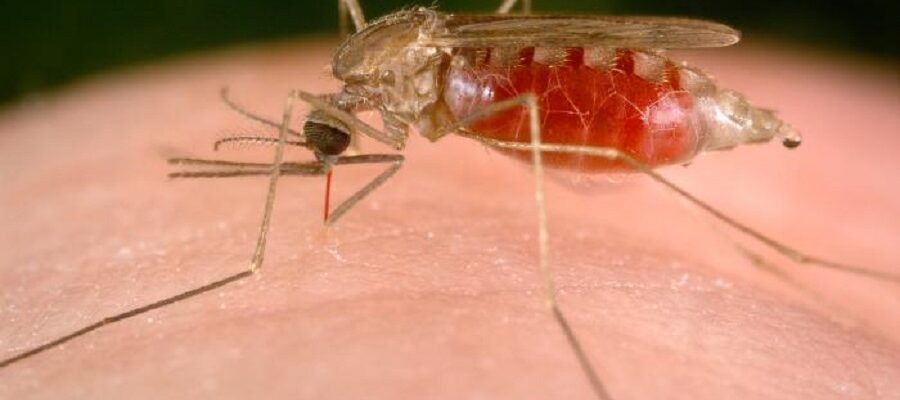
The World Health Organization (WHO) has declared El Salvador as malaria free, becoming the first Central American country to be so listed.
To this extent, the WHO yesterday gave El Salvador its malaria-free certificate, making it the third country in all the Americas to get such certification in recent years. The only other countries in the WHO region of the Americas to have eliminated malaria in recent years are Paraguay in 2018 and Argentina in 2019.
El Salvador received the malaria-free certificate, given the fact that the country did not report a single case of malaria that was acquired locally since 2017 and recorded it last malaria death in 1984. The malaria elimination certificate is awarded to a country when the chain of indigenous transmission of the disease has been disrupted nationwide for at least three consecutive years.
WHO malaria initiative called ‘E-2020’
El Salvador is among 21 countries identified in 2016 as having the potential to eliminate the mosquito-borne disease by 2020 in a WHO initiative called ‘E-2020’.
“This certification today is a life-saving achievement for the Americas.”
Carissa Etienne, director of the Pan American Health Organization
In the three decades between 1990 and 2010, the cases in the country fell from 9,000 to 26. There was only one malaria outbreak in this period in 1996.
In congratulating El Salvador on the designation, Carissa Etienne, director of the Pan American Health Organization (PAHO), which is the America’s regional office of the WHO, praised the country for its decades of working hard to wipe out malaria and the human suffering that it generates.
“This certification today is a life-saving achievement for the Americas,” said Etienne, noting that in the last decade, nine countries across the world were declared malaria-free by WHO. The most recent recipients of the certificate are Algeria and Argentina in 2019.

The other countries that eliminated malaria in the last decade are Morocco and Turkmenistan in 2010, Armenia in 2011, Maldives in 2015, Sri Lanka and Kyrgyzstan in 2016 and Uzbekistan in 2018.
More than 200 million cases of malaria are reported across the world and more than 400,000 people die of the disease every year.
Rise in malarial infections since 2015
The WHO reports that the Americas recorded a 66 per cent rise in malarial infections since 2015 due to growth in transmission in some countries. The WHO singled out Belize in Central America, which is also taking the fight to eradicating malaria in the country.
Belize has completed two years without indigenous malaria transmission in 2020 and in 2019 while 10 other countries and territories in the region recorded less than 2,000 cases. In 2019, 229 million cases of malaria and more than 409,000 deaths from the disease were recorded across the world.
An astounding 94 per cent of those cases and deaths were in WHO African Region. Half the global malaria-related deaths in 2019 were in six African countries — Nigeria (23 per cent), the Democratic Republic of the Congo (11 per cent), Tanzania (five per cent), Burkina Faso (four per cent), Mozambique (four per cent) and Niger (four per cent).

Comments