Whose AI Future? Artificial Intelligence for Information Accessibility (AI4IA) Conference brings 105 countries and territories into the global conversation

/ Our Today
administrator
Marking the 25th anniversary of UNESCO’s Information for All Programme (IFAP), the conference drew participants from six continents to examine who gets access to AI, who gets a voice in shaping it – and who risks being left behind.
Artificial intelligence is advancing at extraordinary speed, but at the 7th Annual Artificial Intelligence for Information Accessibility (AI4IA) Conference, the bigger question was decidedly human: who gets to participate in the AI future – and who gets left behind?
That conversation reached around the world on September 28, with 485 unique viewers and attendees joining from 105 countries and territories across six continents for a three-hour exchange spanning AI, education, healthcare, human rights, justice, media, language and digital inclusion.
Held on the International Day for Universal Access to Information, the conference was also a legacy event marking the 25th anniversary of UNESCO’s Information for All Programme (IFAP) – turning the milestone into a discussion not simply about how far technology has come, but about who has the power to shape where it goes next.
From the Caribbean and Africa to Asia, Latin America, Europe and beyond, the discussion brought perspectives from regions and communities that can too easily sit at the receiving end of technologies developed elsewhere.
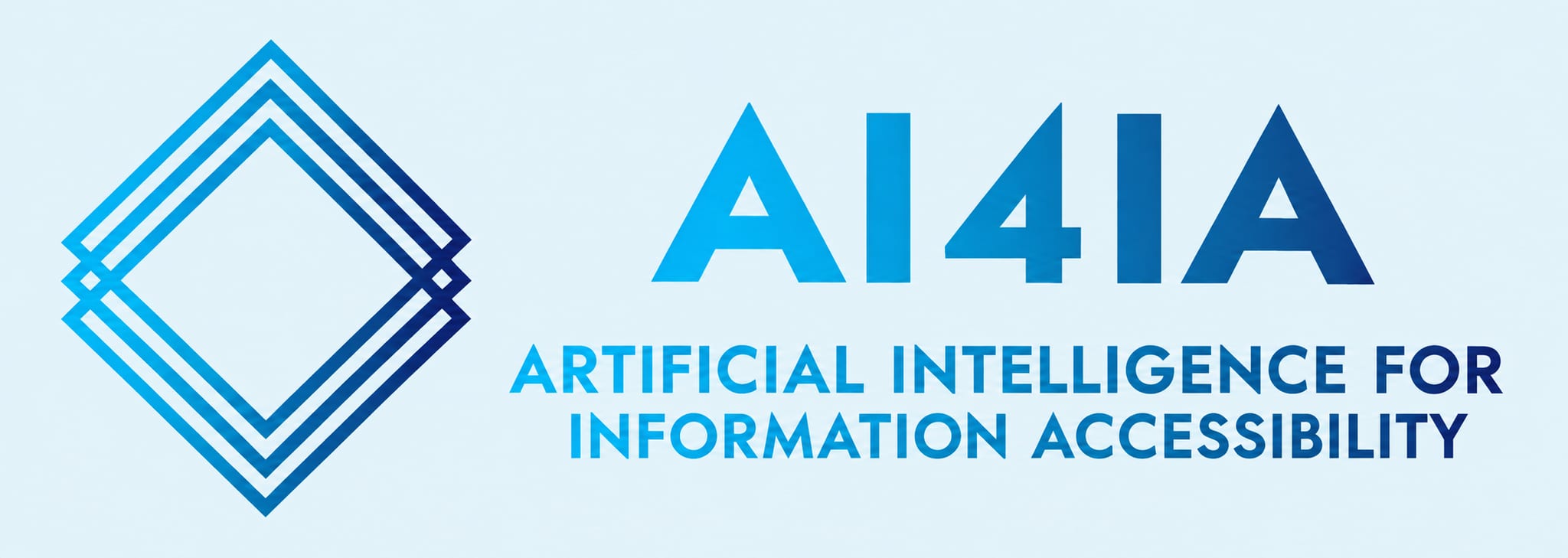
The conference was convened through UNESCO IFAP’s Working Group on Information Accessibility, chaired by Jamaican Cordel Green, Executive Director of the Broadcasting Commission of Jamaica.
UNESCO Representative and Regional Director for the Caribbean, Eric Falt, captured one of the central challenges: “Small states must have a voice. Small institutions must have access, and small markets must not mean small ambitions.”
He argued that Small Island Developing States cannot allow the future of AI to be shaped only by countries and institutions with the greatest resources.
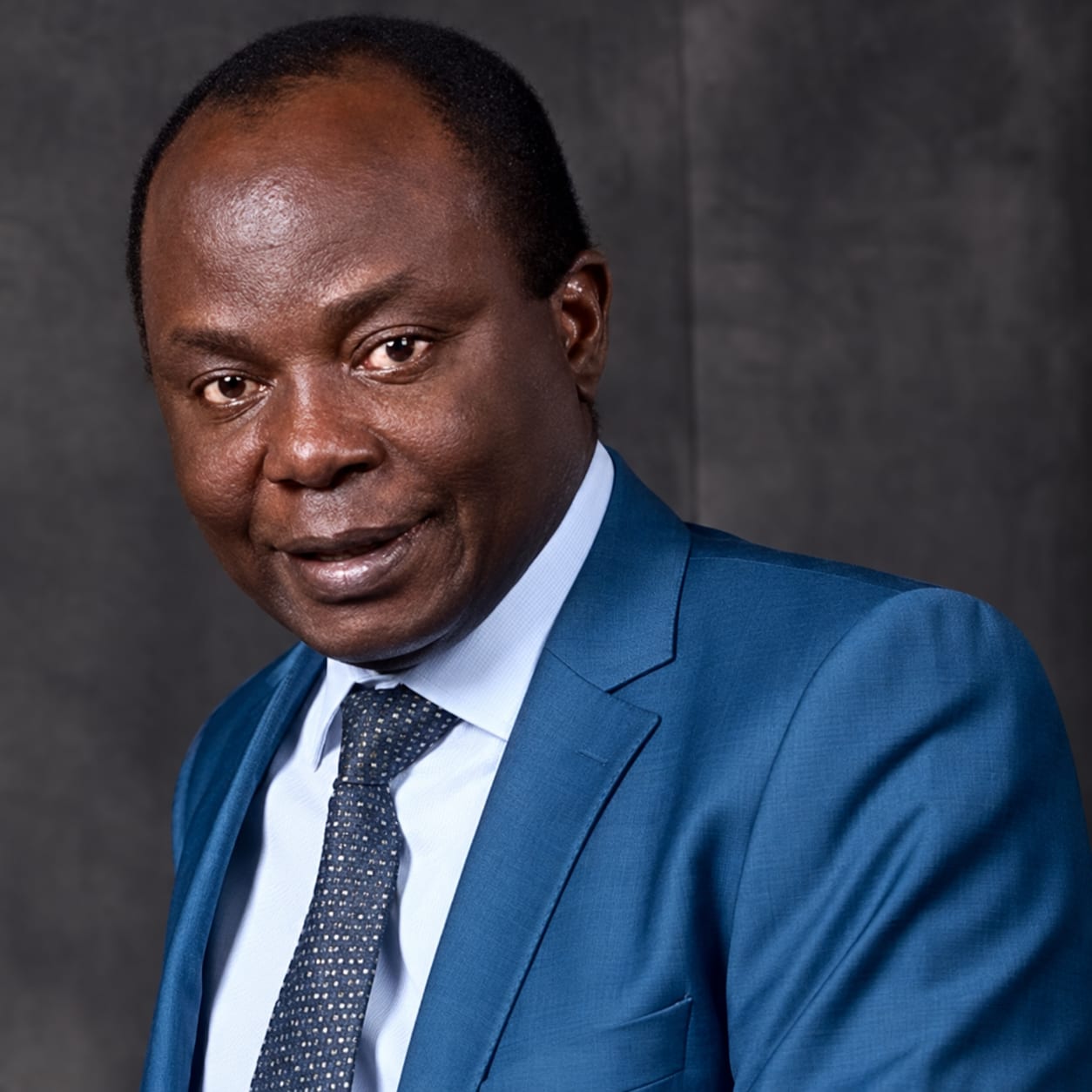
From Southern Africa, Professor Martiale Zebaze Kana, Officer-in-Charge of UNESCO’s Regional Office for Southern Africa, said AI4IA had created an important space for dialogue, innovation and knowledge exchange while ensuring that “African perspectives contribute meaningfully to global discussions on artificial intelligence and information accessibility.” He said Africa’s engagement with AI must extend beyond adopting technologies to helping shape them in ways that are “ethical, people-centred, culturally relevant and aligned with local development priorities.”
Guilherme Canela, UNESCO’s Director of the Division for Digital Inclusion, Policies and Digital Transformation and Secretary of the Information for All Programme, connected that challenge to IFAP’s wider mission, calling for “a digital future where AI is harnessed not only for efficiency and innovation, but also for inclusion, accessibility, diversity” and the protection and promotion of human rights.
That theme carried into the keynote address by Hon. Shawn Ntlhaile, Acting Minister of Communications and Innovation of Botswana, who placed AI within both Botswana’s national transformation agenda and the wider challenge facing countries of the Global South. Pointing to Botswana’s Vision 2036 and the Botswana Economic Transformation Programme, Ntlhaile said emerging technologies should not be regarded as “an optional addition to development, but as instruments through which transformation can be accelerated.” Botswana’sambition, he said, must go beyond becoming digitally connected to becoming a “digitally capable society”—one in which “citizens have the skills to participate, entrepreneurs can innovate, researchers develop locally relevant solutions…and technology helps overcome rather than deepen existing inequalities.”
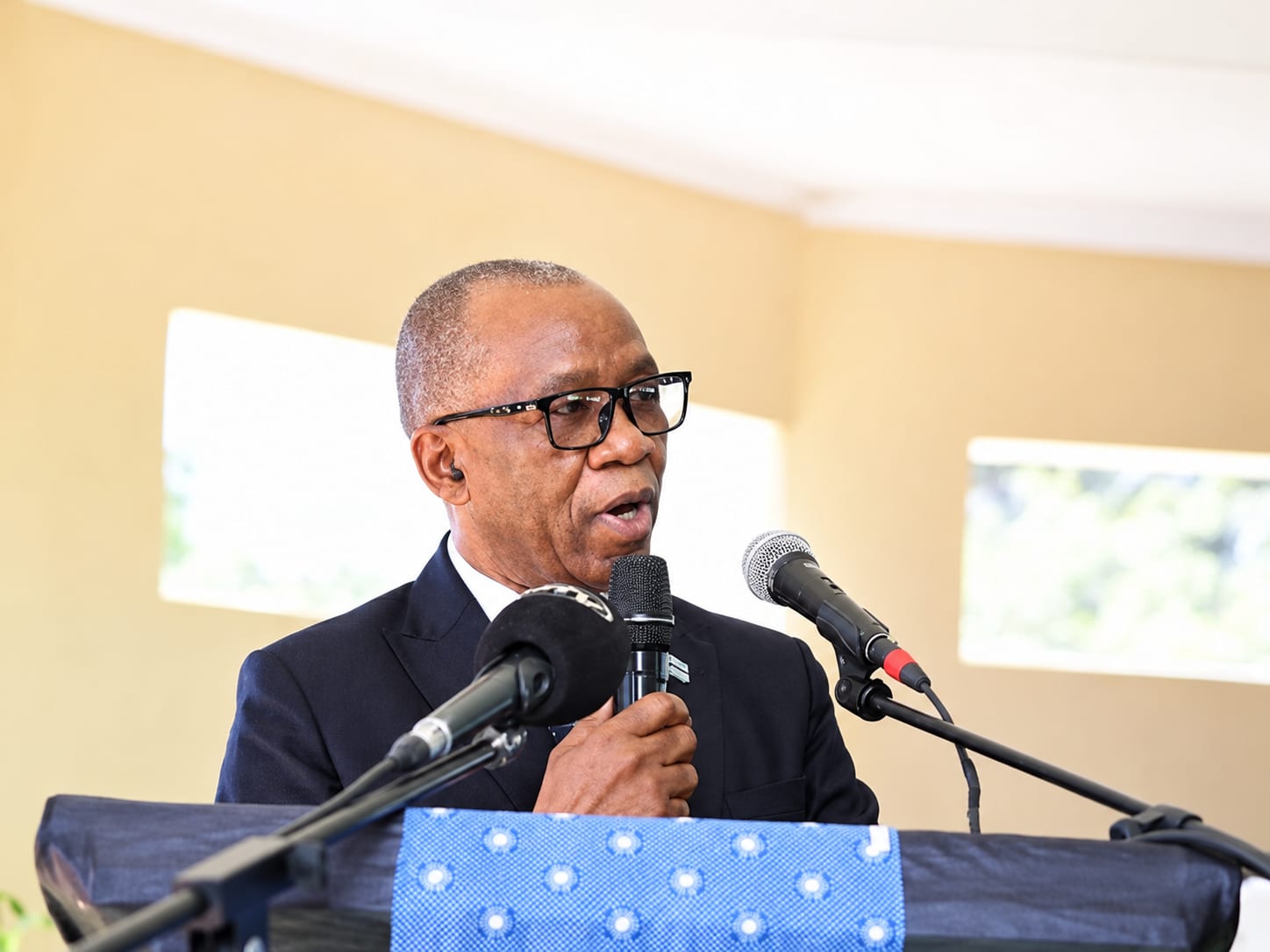
But his message extended beyond Botswana: “For countries of the Global South, it is essential that we are not merely consumers of technologies developed elsewhere. We must participate in their design, contribute to the datasets on which they are trained, develop our own capabilities and ensure that our languages, cultures, knowledge systems and lived realities are represented.”
He added that young people must be equipped “not simply to use emerging technologies, but to create, innovate and lead with them,” declaring that “the future of AI must be shaped by humanity in all its diversity.”
Minister Ntlhaile also pointed to Botswana’s work on AI readiness, governance and a national AI policy, while stressing that technology alone is not enough. “Botswana is investing in STEM education, robotics, digital skills and youth innovation” because, he said, “our most important technology investment is ultimately an investment in people.”
From seven years of conversation to accessible intelligence
The conference was not only about debate. It included the demonstration and launch of the AI4IA Intelligence Pilot: Accessible AI for Knowledge Sharing. This AI platform unlocks 6 years of AI4IA discussions that would otherwise remain dispersed across hundreds of hours of video. Instead of needing to know the name of a speaker or session, users can search an issue in everyday language and find relevant moments from the archive – with the ability to trace information back to its source.

Ashwini Kotaru, Chief Operating Officer of Mobius by Gaian, the California-based tech company which engineered the platform, pushed the idea further. In a conversation with Cordel Green, she argued that powerful AI should not simply produce convincing answers, but people should be able to know where those answers came from. Green added that “a system that knows the limits of its knowledge is more useful than one that knows no limits,” a principle Kotaru had advanced at the recently concluded Silicon Valley Peace Conference.
Mapping exclusion – and following the pipeline
Two other headline discussions approached the AI divide from opposite ends.
“Map of Exclusion” examined what happens when being technically “connected” is mistaken for meaningful inclusion. From electricity and internet access to healthcare, education, language and digital literacy, panellists challenged the assumption that access to a device automatically gives people the ability or agency to participate.
“Politics of the Pipeline” moved upstream, asking harder questions about who supplies the data, whose languages and knowledge enter AI systems, who makes decisions along the way – and who is accountable when those systems affect people’s lives.
Together, the conversations underscored a particular challenge for Small Island Developing States, African nations and other developing countries: societies that did not build most of the technologies transforming their lives cannot be relegated to simply receiving them. Access must also mean having the knowledge, capacity and agency to question, adapt, and help shape how AI is used.
Seven years after AI4IA began as a conversation about artificial intelligence and access to information, its 2026 legacy event pointed towards a broader definition of inclusion.
Access is no longer only about getting people online. It is about giving them the knowledge, agency and opportunity to question, shape and use the technologies increasingly shaping them.



Comments