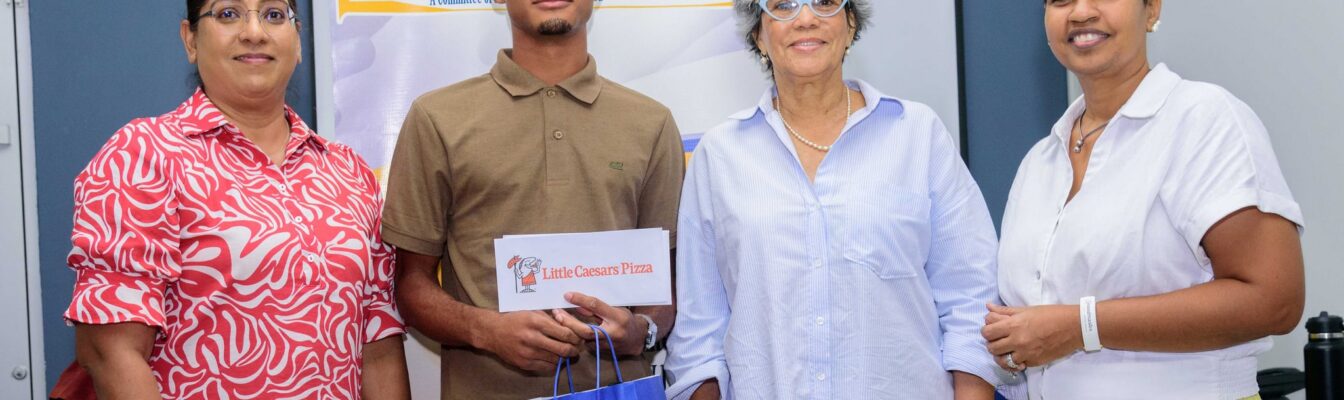
Women’s Leadership Initiative builds on mentorship success with second COJO Youth Cohort

/ Our Today
administrator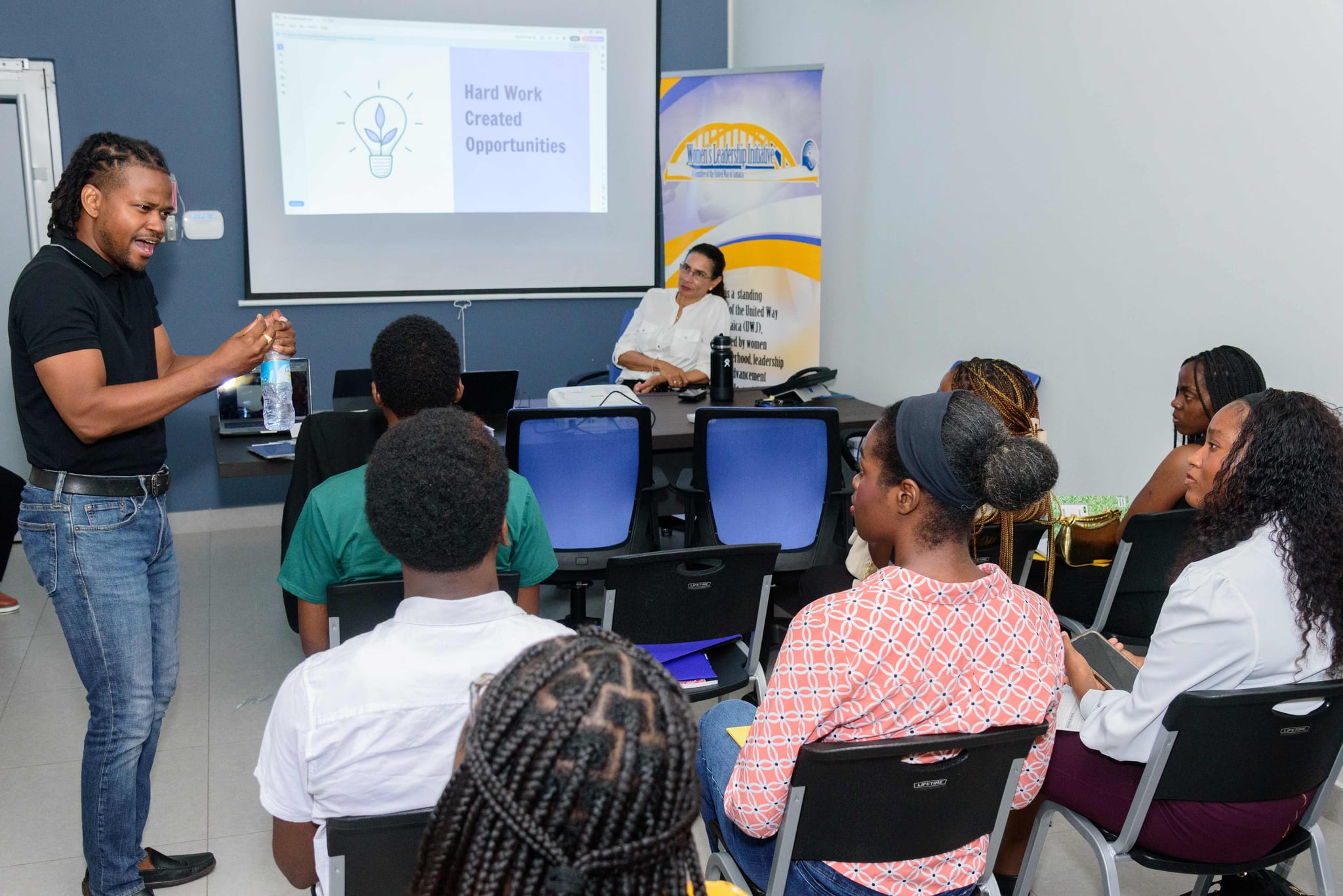
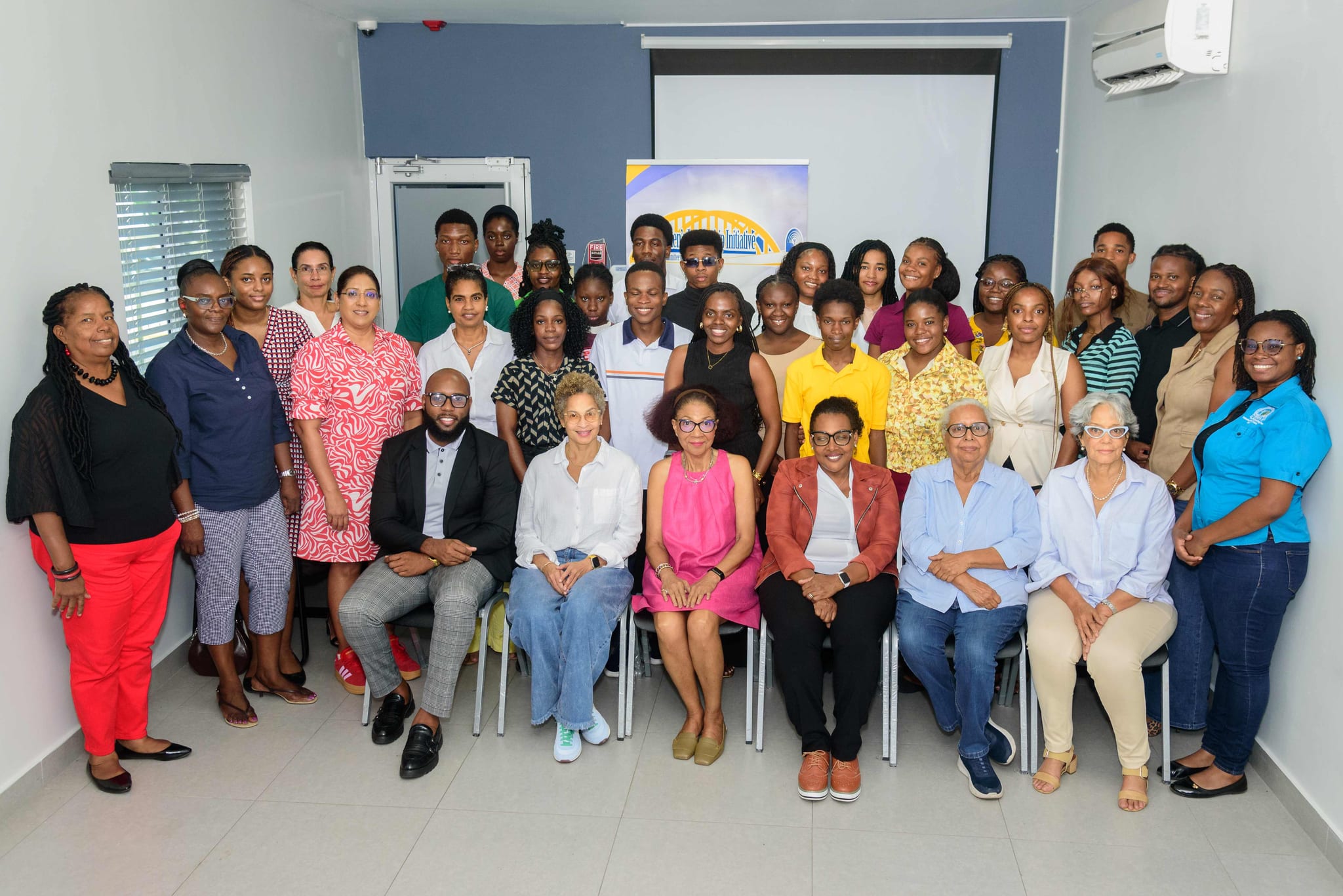
Nineteen young people gained practical career guidance, professional insights and renewed confidence as the Women’s Leadership Initiative (WLI), in partnership with Children of Jamaica Outreach (COJO), hosted the second cohort of its Speed Mentorship Programme at the King Alarm Training Room, 1 Caledonia Avenue, Kingston.
Building on the inaugural 2025 cohort, the programme connected COJO awardees with experienced professionals for focused conversations on career planning, workplace readiness, skills development, professional conduct and navigating the changing world of work.
Rather than presenting success as a fixed formula, mentors encouraged participants to identify what aligns with their own values and ambitions, learn from different perspectives and adapt those lessons as their circumstances evolve. Discussions also explored the realities of balancing education, work and personal responsibilities, with mentors emphasising that priorities can shift and that achieving balance often requires practical, ongoing adjustments.
For 2025 participant Kendra McFarlane, a 2nd Year Urban & Regional Planning student at the University of Technology, the impact of the programme extended beyond the mentorship sessions. She credits the experience with strengthening her confidence and helping her better understand how to conduct herself professionally—lessons that proved valuable when she successfully interviewed for and secured a NHT Construction Scholarship.
“The mentorship programme gave me the confidence to believe in myself and to understand how important it is to present myself professionally,” McFarlane reflected. “The guidance I received helped me during my interview, and I am grateful that what I learned translated into a scholarship opportunity. It showed me that the right advice at the right time can make a real difference.”
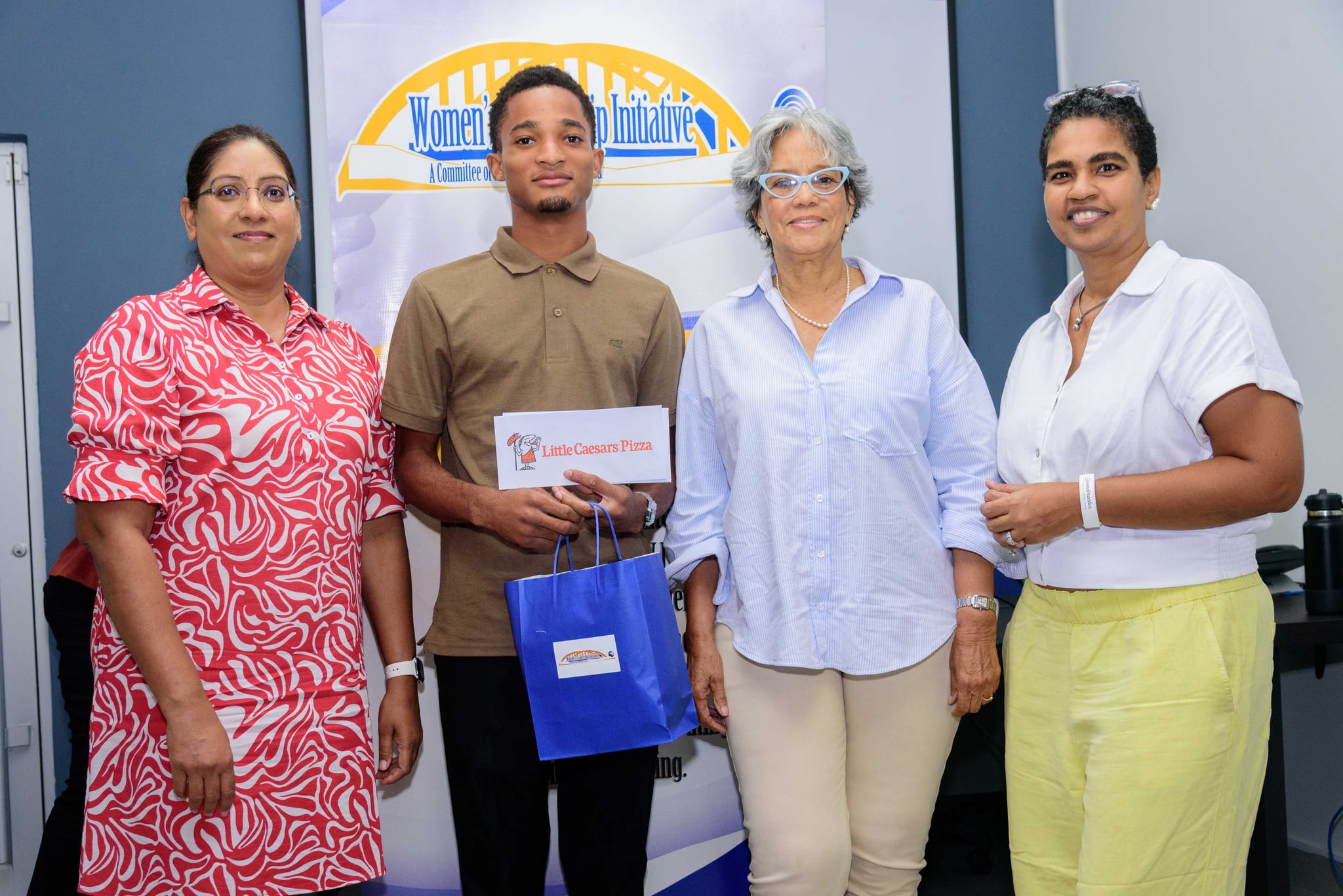
The 2026 cohort also brought fresh perspectives, including new University of Technology, Jamaica (UTech) Computer Science student Yashen Barracks and Northern Caribbean University (NCU) Medical Technology student Trevaughn Wilson.
For Barracks, the experience reinforced the importance of developing a professional identity alongside academic qualifications. “As a Computer Science student, I know that what I learn in the classroom is only part of what I will need to succeed. The mentors showed me the importance of communication, adaptability and knowing how to position myself professionally. I am leaving with a clearer picture of the kind of professional I want to become.”
Wilson similarly described the experience as an opportunity to look beyond qualifications and consider the habits and decisions that shape long-term success. “I came here expecting career advice, but I gained something bigger—a better understanding of how to prepare myself for the opportunities I want. The mentors reminded us that success takes more than qualifications; it requires discipline, confidence, good decisions and a willingness to keep learning.”
WLI Chairperson Roxann Linton underscored that the programme is designed to give young people room to develop their own sense of direction. “We are not trying to tell young people who they should become. We want to give them access to people, experiences and conversations that help them discover what is possible and make informed decisions about their own futures.”
That approach is particularly relevant to young people preparing to move from structured support into greater independence. Jason Brown of the Child Protection and Family Services Augency (CPFSA) highlighted the role mentorship can play during this transition, particularly for young people supported through the Agency’s Transitional Living Programme (TLP).
“Mentorship is particularly important as young people prepare to transition into adulthood because it gives them access to guidance, perspective and practical knowledge beyond the classroom. Through the Transitional Living Programme, we support young people as they pursue tertiary and vocational education, develop employability skills and prepare for independent living. Partnerships such as this one with WLI and COJO add another important layer of support by connecting young people with professionals who can share real-world experiences, challenge their thinking and help them make informed decisions about their futures,” Brown explained.
For WLI Mentorship Committee Chair Grace Burnett, meaningful mentorship is ultimately about creating relationships that continue to have value beyond a single event.
“Good mentorship meets people where they are. It gives young people the confidence to ask questions, the tools to navigate challenges and the encouragement to keep moving forward.”
Guest speaker Michael Lee, Strategic Operations & Marketing Leader – Lecturer, UTech, Jamaica, reinforced the importance of developing the qualities that allow young people to translate education into opportunity. “Qualifications may open a door, but your attitude, communication, professionalism and ability to adapt and when necessary change your perspective will influence what happens after you walk through it. Programmes like this give young people an opportunity to learn those lessons early, before they encounter some of the challenges of the workplace for themselves.”
The Speed Mentorship Programme reflects WLI’s long standing focus on education, advocacy and mentorship, while continuing the legacy of its late founder and former leader, Marcia Erskine, whose commitment to empowering young people and women continues to influence the organisation’s work.
Through its partnership with COJO and CPFSA, WLI is building a wider circle of support around young people—bringing together professionals, mentors and alumni who can share knowledge, encourage confidence and help participants navigate important transitions in their education, careers and personal lives.
The second cohort therefore represents more than another mentorship session. It strengthens a model built on connection, shared experience and the belief that when young people have access to people willing to guide, listen and share what they have learned, they are better positioned to chart their own path.





Comments