1970 Convention on Cultural Property comes into force October 16, 2026

/ Our Today
administrator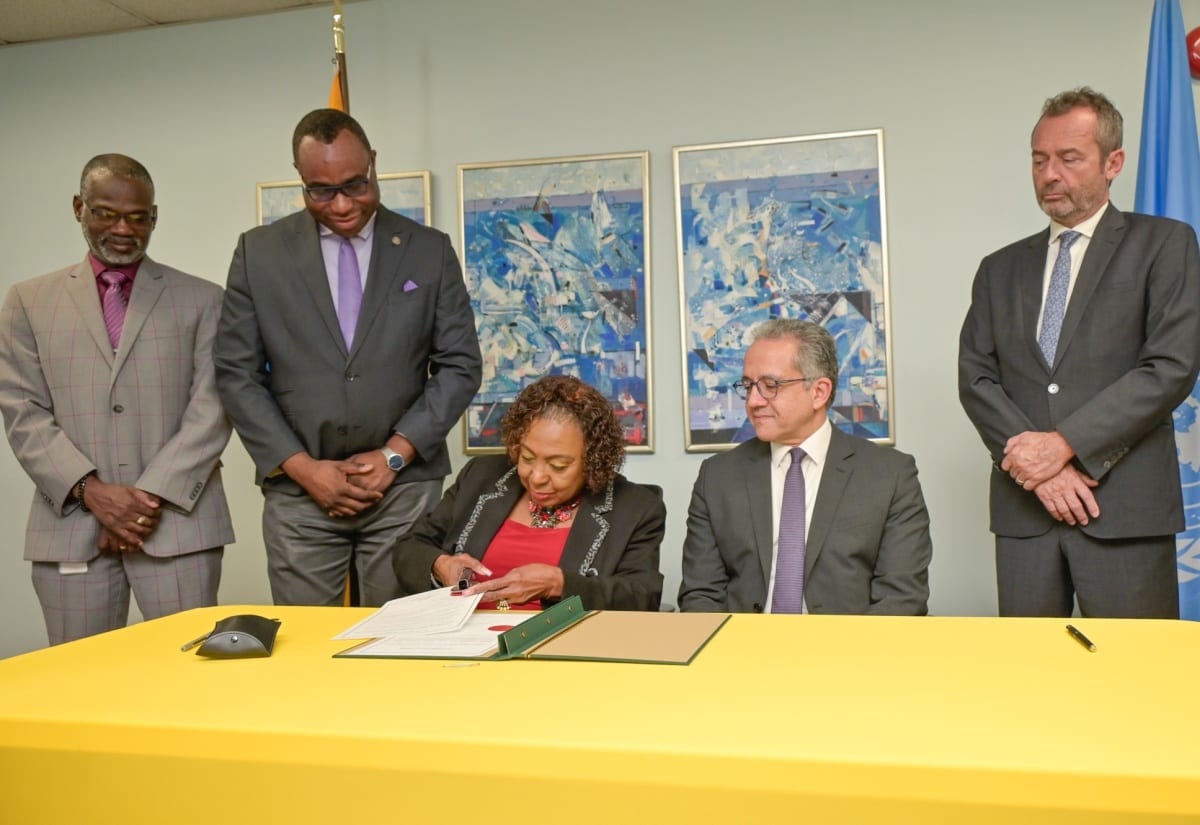
Durrant Pate/Contributor
The 1970 Convention on the Means of Prohibiting and Preventing the Illicit Import, Export and Transfer of Ownership of Cultural Property will come into force in Jamaica on October 16, 2026.
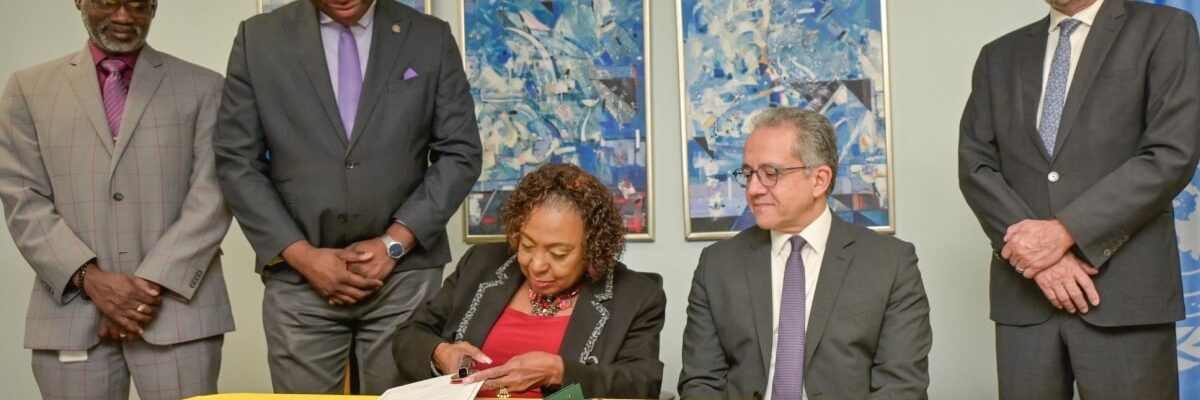
This comes as Jamaica has formally ratified the Convention and last month deposited with the United Nations Educational, Scientific and Cultural Organisation (UNESCO) its instrument of ratification of the Convention, which was adopted in Paris on November 14, 1970. The document was signed back in April this year by Minister of Culture, Gender, Entertainment and Sport, Olivia Grange, alongside Professor El-Enany.
In accordance with the terms of Article 21, the Convention will enter into force with respect to Jamaica three months after the deposit of the instrument of ratification, that is to say, on October 16, 2026. The Convention is aligned with updates to the Jamaica National Heritage Trust Act and approval to ratify the 1995 UNIDROIT Convention on Stolen or Illegally Exported Cultural Objects.
Jamaica’s ratification strengthens protection of the country’s cultural heritage and aims to stop the illegal trafficking of artefacts, prevent illicit import/export and establish legal frameworks for the return of stolen cultural property. Cabinet approved the ratification, along with the 1995 UNIDROIT Convention, and amendments to the Jamaica National Heritage Trust Act.
Jamaica firmly committed
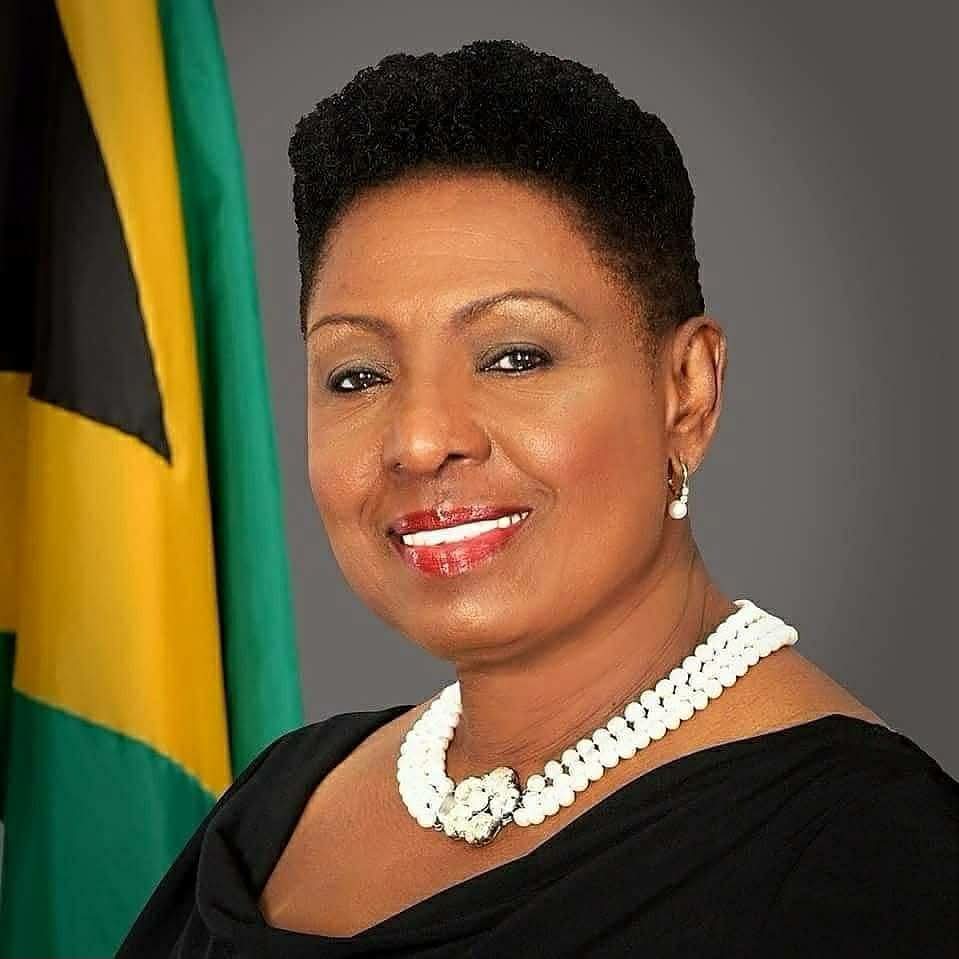
At the April signing, Minister Grange highlighted that Jamaica is now firmly positioned within the global network committed to preventing the illicit trafficking of cultural property “an activity that results in the erosion and loss of a nation’s history, a nation’s identity and collective memory, particularly for source countries like Jamaica.
“We deliberately aligned this process with amendments to the Jamaica National Heritage Trust Act, recognising that strong international commitments must be supported by robust domestic legislation,” Minister Grange pointed out, underscoring the practical implications of the ratification, particularly for enforcement agencies, noting that stronger legal backing will enhance their effectiveness.
She also acknowledged the collaborative efforts of local and international partners in achieving this milestone whilst outlining Jamaica’s journey toward ratification included a series of capacity-building engagements, particularly among border-control and law-enforcement agencies.
These included regional workshops hosted in 2018 and 2020 with support from UNESCO, as well as additional sessions during the COVID-19 period in partnership with the International Criminal Police Organisation (INTERPOL) and the World Customs Organisation.
There was also targeted training for approximately 200 officers of the Jamaica Customs Agency in Kingston and Montego Bay, equipping them to better identify, intercept and protect cultural property. Further training is planned for Montego Bay later this year, building on sessions held in Kingston in February this year.
According to her, “these efforts are already yielding results, as the Jamaica Customs Agency has engaged the Ministry regarding two cultural items intercepted at our main ports,” noting that Jamaica is actively working to recover cultural artefacts taken during the colonial period with ongoing engagement with the United Kingdom. There are also plans for an expert mission to support their return.


Comments