
Jamaica gets natural disaster protection from World Bank’s Cat Bond

Al Edwards / Our Today
administrator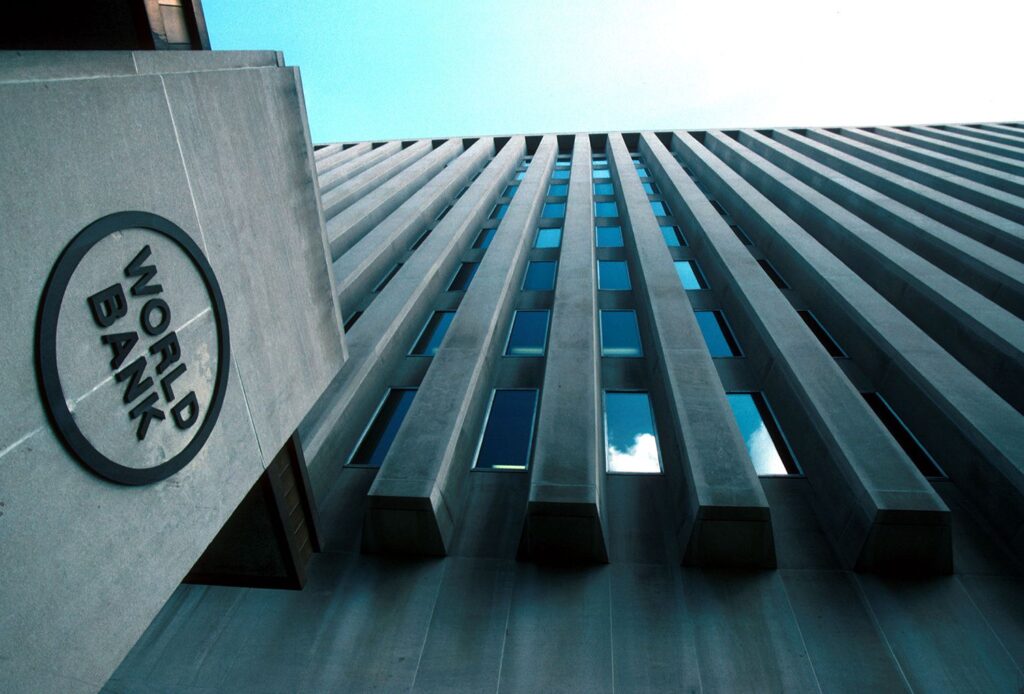
The World Bank’s issuance of a Catastrophe Bond (cat bond) for US$185 million to Jamaica, has been a boon to the country’s natural disaster risk-mitigation strategy.
Over the last few weeks, Jamaica has experienced successive storms (including Ida), heavy rains and is still within the official hurricane season.
This cat bond provides a layer of protection at a time when the COVID virus has suppressed the economy’s growth.
The way it works, the World Bank holds the principal in a Special Purpose Vehicle (SPV) and Jamaica can access part or the full amount depending on the severity of the natural disaster. This bond does not add to the national debt. It matures on December 29, 2023.
Regarding the impact of natural disasters, on Jamaica’s economy, one of the world’s leading rating agencies, Fitch concluded: “Fitch estimates that on average the Government of Jamaica will have an annual loss of US$125 million or 0.9 per cent of GDP due to hurricanes and flooding.
“A one-in-a- -50- year weather event will cost the government US$1.3 billion or 8.8 per cent of GDP. This estimation is based on the loss distribution published by the IADB in 2014.
“Recent hurricanes show how disruptive they can be to the public finances of small-island economies.”
This is the first cat bond issued by the World Bank where coupon payments are fully funded by donors led by the U.S., UK and Germany. Fitch estimates that the annual cost of the monthly coupon payments is US$8.3 million.
It must be stressed that this cat bond is the largest issued by the World Bank relative to the size of the beneficiary economy. It adds a new layer of protection that includes a contingent credit line, contingency funds and other types of insurance.

As far as buffers go, the Jamaican government has a US$285 million contingent credit line with the IADB. At the end of August 2021, the National Disaster Fund and the Contingency Fund had US$2.2 million and US$29.6 million respectively. The government also participates in the Caribbean Catastrophe Risk Insurance Facility (CCRIF) with 22 other countries in the region.

Speaking with Our Today, Minister of Finance Dr Nigel Clarke said: “While we can’t by ourselves, control the occurrence of natural disasters, we can plan and must have a fiscal strategy that counters its impact. The Cat Bond is the top layer in Jamaica’s multi-layer approach to the management of the fiscal risk posed by natural disaster.
“With this approach we have the World Bank issued US$185 million Cat Bond, our US$285 million Credit Contingent Claim from the IDB, our Contingency Fund which currently stands at US$29 million, our National Disaster Fund and the Caribbean Catastrophe Reinsurance Facility. Together they provide the assurance that in the event of the worst kinds of tropical cyclones and hurricanes, Jamaica will have access to fiscal resources to finance the emergency expenditure associated with disaster.”
Dr Clarke went on to point out that this allows for stability to be maintained through such an occurrence with the prospect of a speedy recovery.
The Minister of Finance continued: “ This Cat Bond broke new ground globally as the first to pioneer the “ cat in a grid” approach which allowed us to place a grid over Jamaica and specify differentiated thresholds in each grid allowing for a more precise approach to management of catastrophe risk. We are also the first small country to independently sponsor a cat bond and this is the largest cat bond, measured as a percentage of the size of the economy, ever issued by the World Bank. We are proud to break new ground in these ways.”





Comments