The politics of colour in Jamaica: Unity or division?

/ Our Today
administrator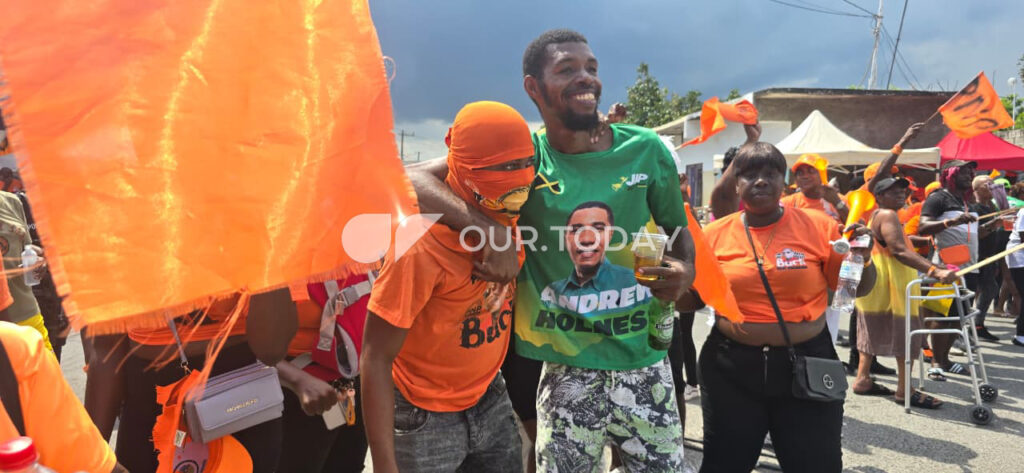
In Jamaica, politics is as vibrant as our island’s culture. Yet, beneath our music, movement, and speeches lies an unfortunate tradition that moulds how communities see one another, how some of us see one another: the use of political colours.
Historical Roots of Political Colours
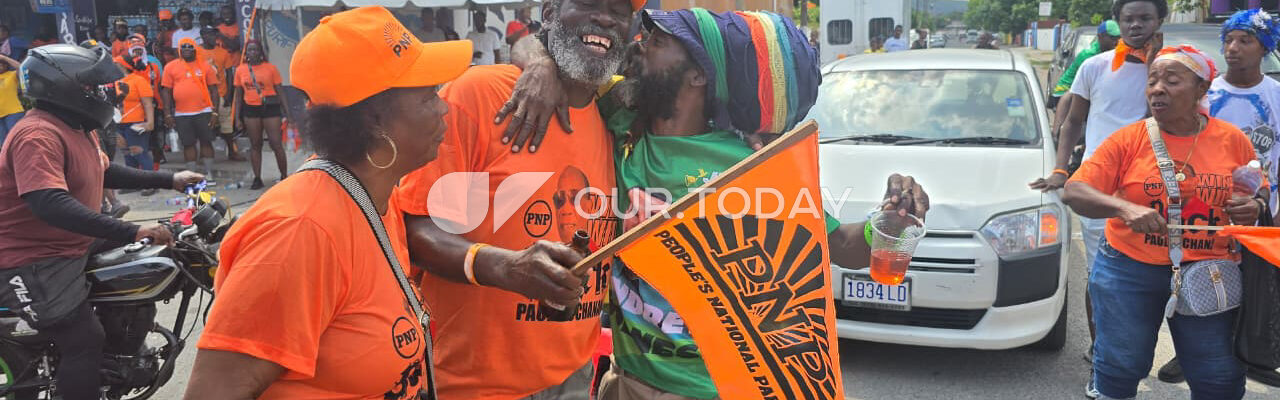
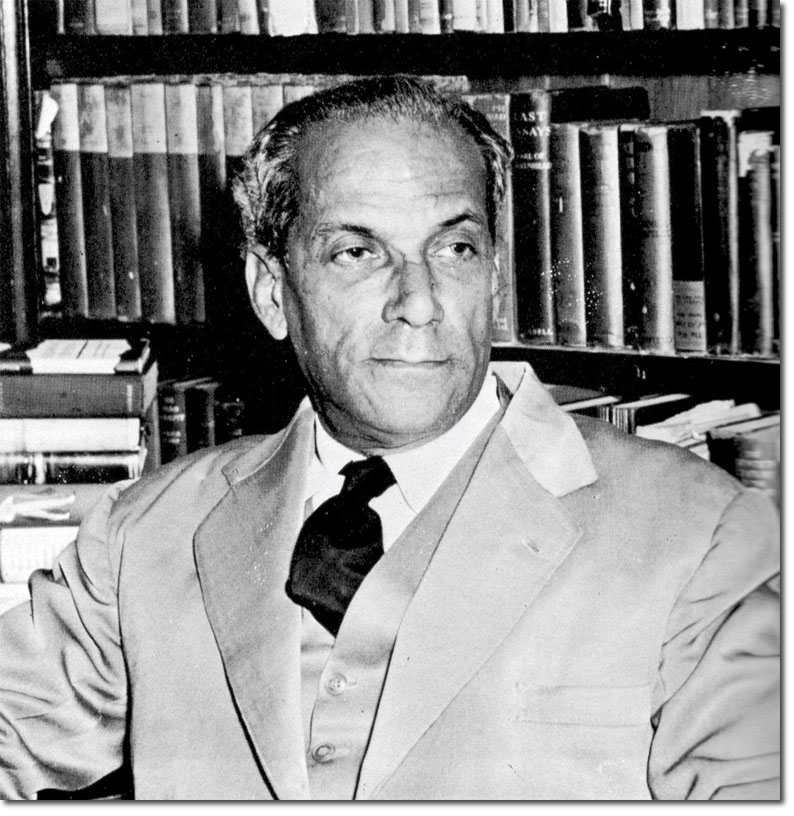
The PNP was founded in 1938 by Norman Manley, emerging from the struggle for workers’ rights and self-government. It adopted orange as its signature colour, representing energy, determination, and its populist identity.
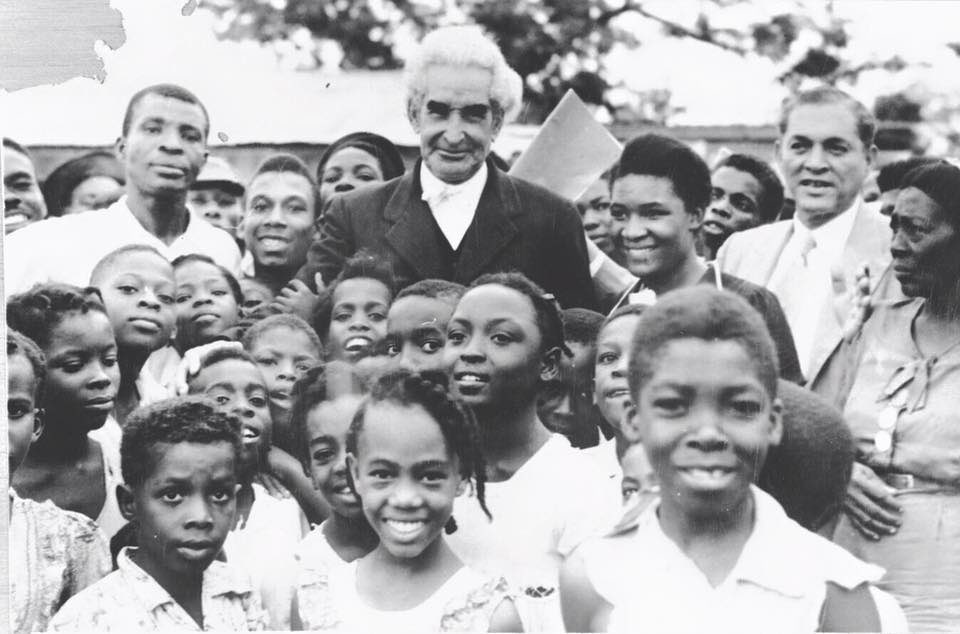
The JLP, led by Alexander Bustamante, was established in 1943 as a political arm of the Bustamante Industrial Trade Union.
It chose green, a colour often associated with prosperity, growth, and stability.
In the decades that followed, both parties built loyal followings, with their colours becoming an easy visual marker for rallies, campaign materials, and national elections.
By the 1970s and 1980s, political rivalry in Jamaica had grown intense, and party colours became more than campaign tools—they became identifiers that could determine whether a person was welcomed or rejected in certain communities.
The Power of Symbolism
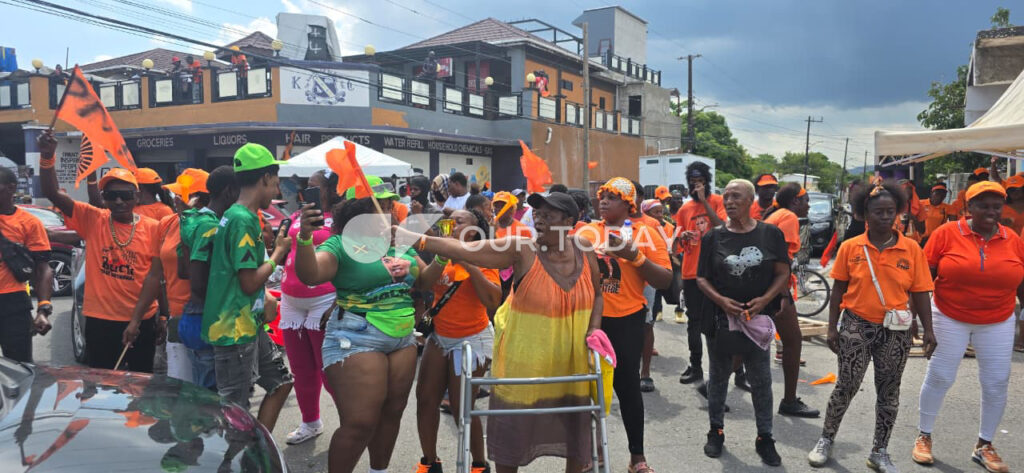
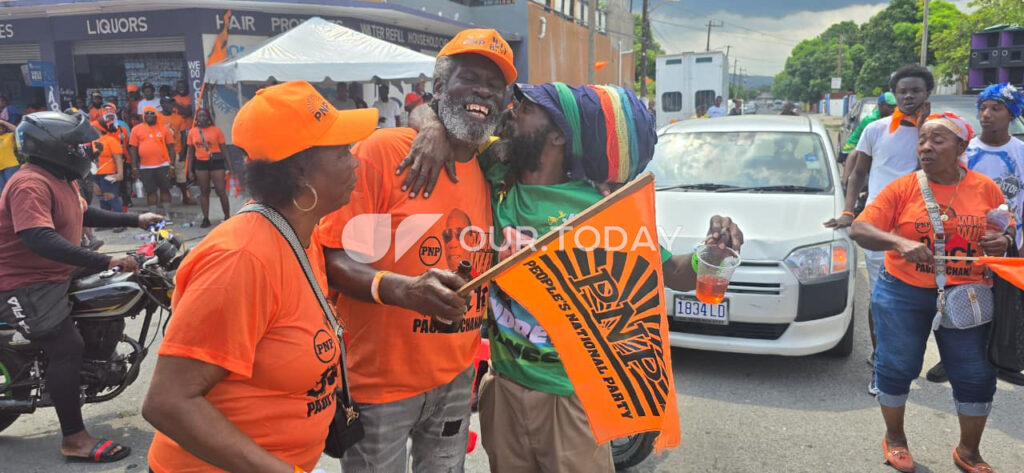
Colours carry meaning. They unite supporters, give campaigns visibility, and create a sense of belonging to each and every person who is politically affiliated. For political leaders, using colour is a powerful way to solidify identity and rally loyalty. The sight of an orange T-shirt or a green cap can ignite pride. In election season, these colours dominate rallies, the streets of Jamaica, and even private functions.
However, this visual symbolism has a double edge. While colours strengthen group identity, they can also amplify “us versus them” thinking. In many communities, your choice of colour, intended or not, becomes an instant political statement.
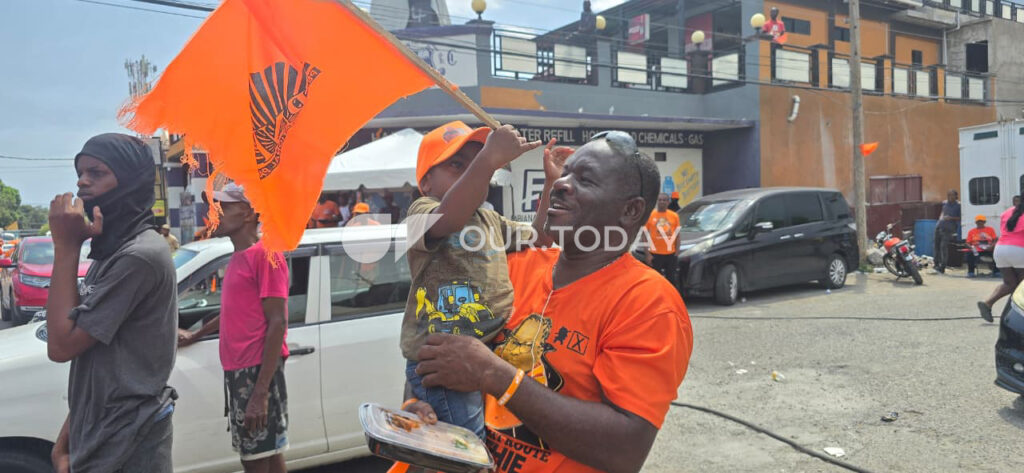
But what happens when social division and everyday tension bring harassment, suspicion, or even violence? Friendships and family bonds have been strained, businesses boycotted, and communities polarised simply because of political colour allegiance.
The problem deepens when colours stop being political symbols and start becoming markers of identity in everyday life. People may be judged, excluded, or targeted based on their clothing choices, regardless of their actual political beliefs. For younger generations growing up in this environment, the lesson can be damaging: political affiliation becomes about colour and rivalry, not ideas and solutions.
Historical Flashpoints of Colour Rivalry
Several election periods have shown how deeply colour-based politics can fracture communities:
- 1976 General Election: Declared during a state of emergency, this election was marked by widespread political violence. Both PNP (orange) and JLP (green) supporters clashed in street battles, and certain neighbourhoods became “no-go” zones for those wearing the wrong colour. The colour of a shirt could determine whether someone was allowed into a community or chased out.
- 1980 General Election: One of the bloodiest elections in Jamaica’s history, resulting in over 800 reported deaths. The rivalry between the PNP and JLP reached extreme levels, with politically aligned gangs using colours as identifiers. Green or orange clothing could make a person a target, regardless of whether they were politically active.
- 1997–2002 Period: Though large-scale violence had declined, intimidation, community segregation, and colour-based discrimination persisted. In some rural and urban areas, businesses displaying the “wrong” colour faced boycotts, while public events were dominated by partisan displays rather than national unity.
The Danger of Political Tribalism
When colours become a stand-in for ideology, political discourse suffers. Instead of engaging with policies, visions, and solutions, political debates often degrade into emotionally charged disputes about loyalty. In such an environment, constructive dialogue is lost, and the ability to collaborate across party lines weakens—very much like the wind brushing against a line in the sand.
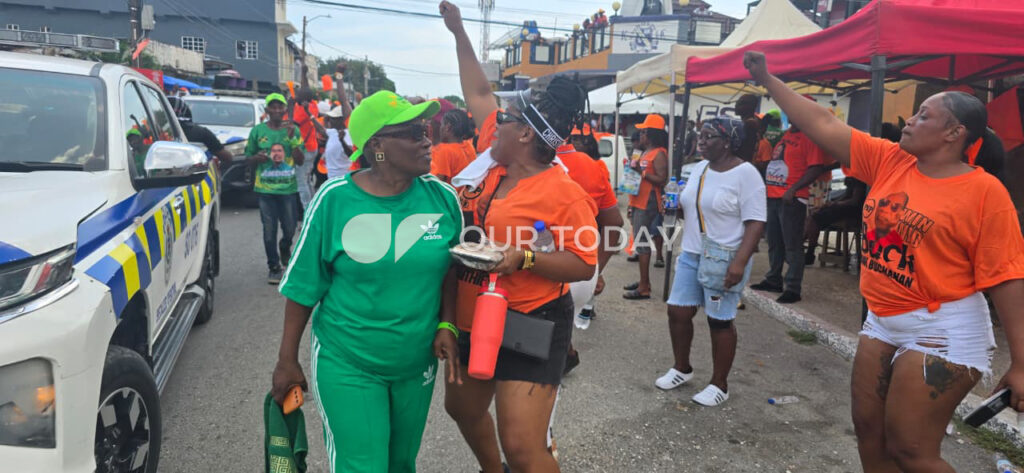
In extreme cases, political violence emerges—not over the merit of ideas, but over the perceived betrayal of wearing “the wrong colour.” This has, at times, left communities living under a quiet tension, where unity feels fragile and conditional.
Our children can’t wear a green or orange school bag, particularly around election time, due to the fear of them being targeted. The challenge is not in the colours themselves, but in the meaning some of our people attach to them.
Colours can be a source of pride and heritage, but they should never outweigh the shared identity of being Jamaican. Jamaica’s political culture needs a shift where colours can still be celebrated without being used as tools for exclusion or division.
Finding a Way Forward
Political leaders could help bridge divides by promoting more inclusive messaging and encouraging dialogue beyond party lines. Grassroots and community leaders could host non-partisan events where political identity takes a back seat to national unity. Neutral symbols, such as white for peace, could be used to encourage safe, open participation in civic life.
If politics is to serve the people, the conversation must move beyond the banners we wave and the T-shirts we wear. Our future depends not on which colour fills the streets at election time, but on the shared vision we build for the nation.
Comments