
Five things to check on your vehicle before you drive

/ Our Today
administrator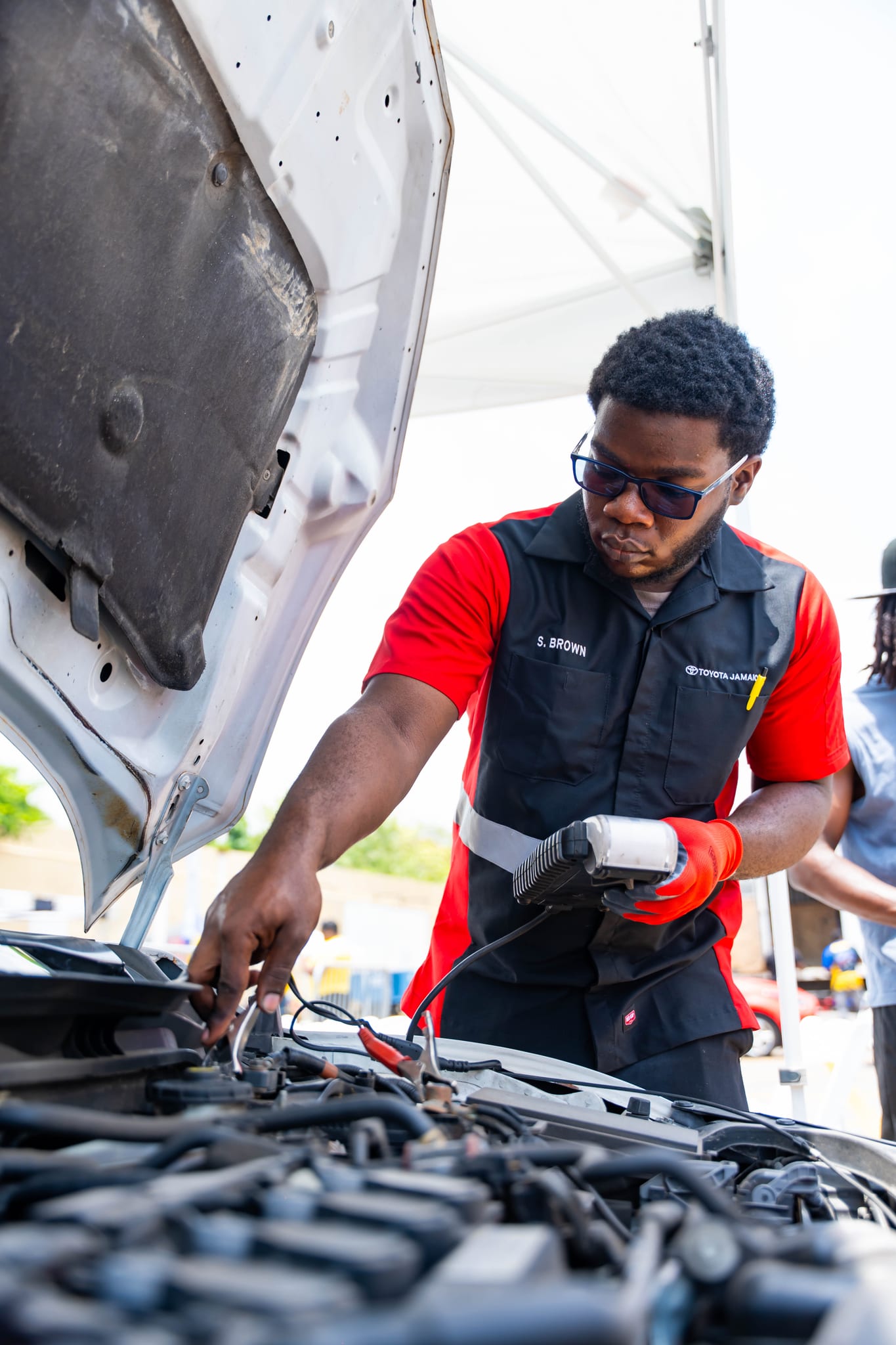
From tyre pressure and fluid levels to the person behind the wheel, here are five quick checks motorists can make before starting their journey.
A low tyre, an unfamiliar sound or a warning light may seem easy to ignore when you are rushing out the door, but small vehicle problems can quickly become costly repairs — or safety risks on the road.
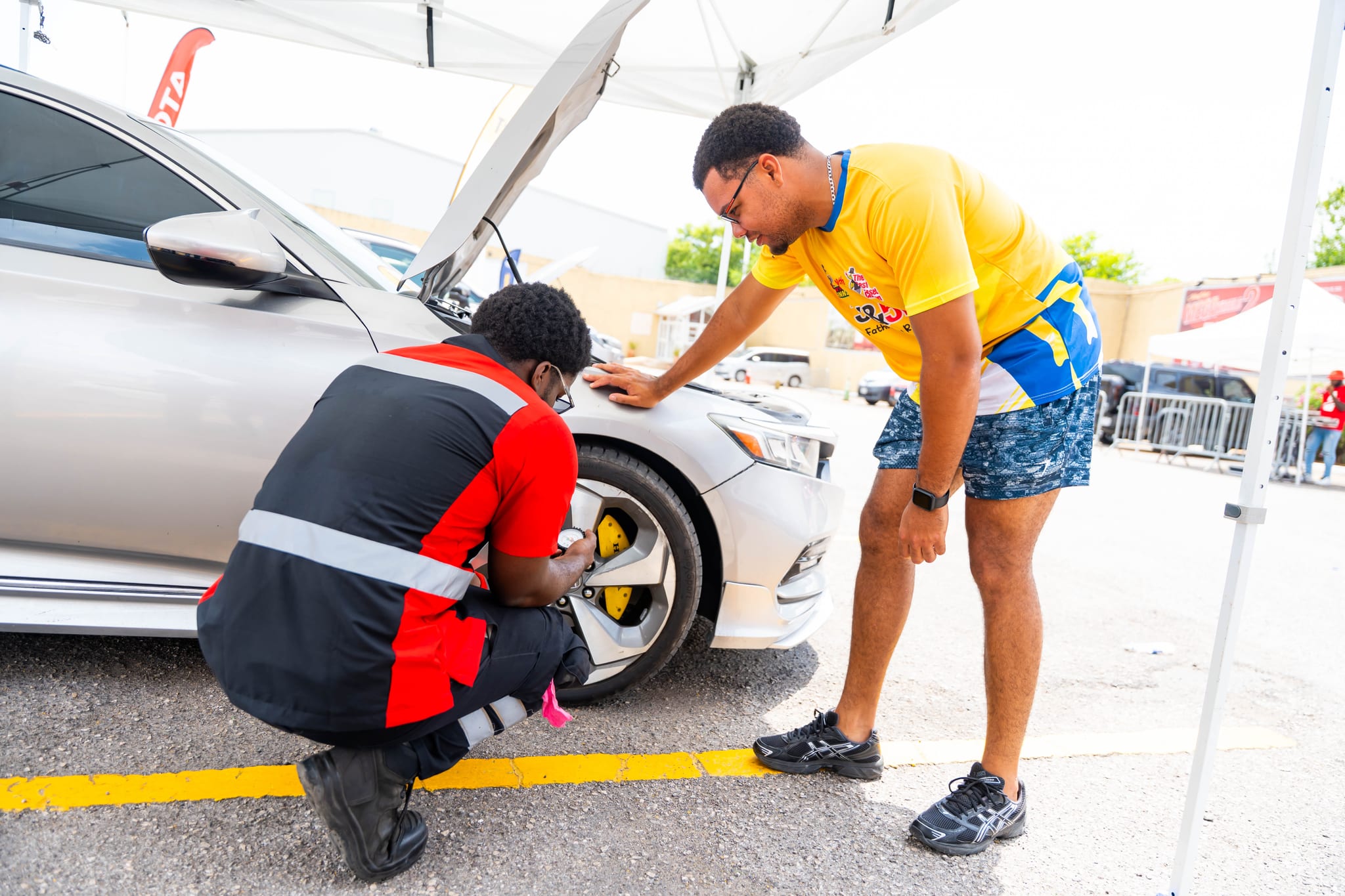
Automotive technicians are encouraging motorists to make a few basic checks part of their routine before setting off. The advice was among the practical guidance shared during Red Stripe’s recent Guh Easy Pit Stop at MegaMart, where motorists received free vehicle checks from technicians representing Toyota Jamaica, KIA and Louis Industrial Garage (LIG).
Here are five things to check before hitting the road.
1. Check your tyres
Check tyres for low pressure, uneven wear, cracks or visible damage, and make sure the tread is in good condition. Do not forget the spare. Poor tyre pressure or worn tread can affect handling and braking, particularly on wet roads.
2. Check your oil and other fluids
Engine oil, coolant and brake fluid all play important roles in keeping a vehicle running properly. Check levels regularly and pay attention to leaks or warning lights.
Sanjae Brown, Senior Apprentice at Toyota Jamaica, said motorists should not ignore seemingly minor issues.
“Leaving a small problem can turn into a very expensive repair,” Brown said. “You can go from having low oil to no engine, so it is important to check your oil and keep up with your servicing.”
He also encouraged motorists to pay attention to unusual sounds, smells or changes in vehicle performance.
3. Test your lights
Check headlights, brake lights, hazard lights and indicators before setting off. Working lights help drivers see and allow other road users to anticipate their movements, particularly at night or in poor weather.
4. Pay attention to your brakes
Squealing, grinding, vibrations, a soft brake pedal or difficulty stopping are all signs that the brakes may need attention.
“Do not wait until the brakes fail before you take action,” Brown advised. “If you notice a change in how the vehicle is stopping, get it checked.”
Regular service can also help identify worn components before they become a more serious safety concern.
5. Check yourself before you drive
A road-ready vehicle is only part of the equation. Adjust your mirrors and seat, buckle your seat belt and make sure you are alert and fit to drive.
Most importantly, if you have been drinking alcohol, do not drive. Choose a designated driver, arrange a taxi or ride service, or make another plan to get home safely.
Daika Mitchell, Communications Manager at Red Stripe, said this broader approach to road readiness is central to the company’s Drink and Live Responsibly message.
“Responsible choices happen before you get on the road,” Mitchell said. “Checking your vehicle, wearing your seat belt and planning how you will get home are all part of making safer decisions for yourself and the people around you.”
Road safety begins before the vehicle moves. A few minutes spent checking the car and yourself can help prevent a breakdown, avoid costly repairs and contribute to a safer journey for everyone on the road.






Comments