Back to school strong: Helping children thrive this school year

/ Our Today
administrator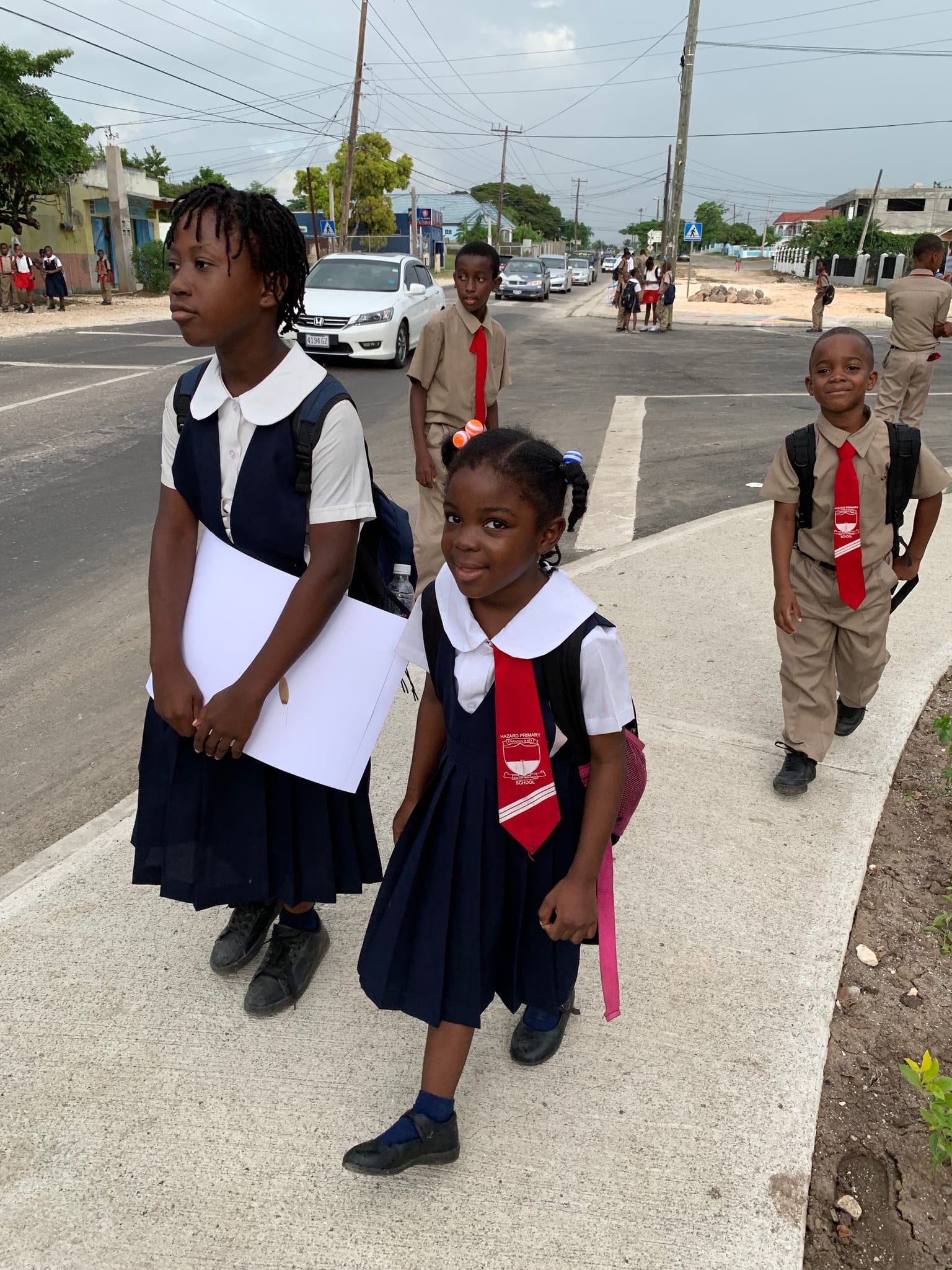
The start of a new school year often brings a mix of emotions. Children may feel excited about seeing friends and teachers again, while parents and caregivers may be thinking about uniforms, transportation, homework, routines and everything in between.
The good news is that starting the school year strong is not about having everything perfectly organised from day one. It is about creating the support, structure and encouragement children need to grow, learn and thrive.
Whether you are a parent, caregiver, teacher or student, here are eight simple ways to help make the transition back to school a positive one.
1. Start with a simple routine
Returning to school after a break can be challenging, especially when sleep schedules and daily routines have shifted.
A few days before school starts, gradually reintroduce regular bedtimes, morning routines and study habits. Predictable routines can help children feel more secure and prepared for the days ahead.
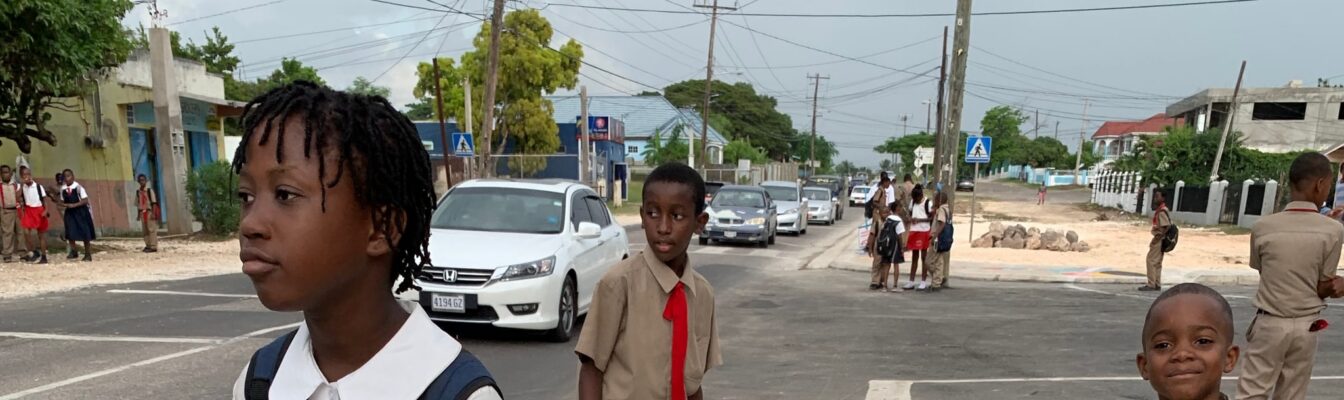
Tip: Involve children in getting ready for the new school year. Let them help organise supplies, plan morning routines and set a few simple goals for the first month. Also review important safety practices, from crossing streets safely and using pedestrian crossings whenever possible to waiting responsibly at designated bus stops when needed.

2. Keep Learning Going Beyond the Classroom
Learning happens everywhere, not just at school. One way to support children throughout the year is through Learning Passport Jamaica, developed by UNICEF Jamaica and the Ministry of Education, Skills, Youth and Information. The platform offers learning resources for students in Grades 1 to 6 and can be used both online and offline.
Children can access stories, interactive activities, videos, games and other engaging learning tools that complement classroom learning.
Tip: Set aside a little time each week for reading, mathematics or exploring topics that spark your child’s curiosity and creativity.
Learn more at: https://jamaica.learningpassport.org
3. Support Every Child’s Unique Learning Journey
Every child learns differently. Some learn best by reading, others by listening, watching or hands-on activities.
UNICEF Jamaica’s Accessible Digital Textbooks, available through Learning Passport Jamaica, help make learning more inclusive through features such as audio narration, sign-language videos, screen-reader navigation and adjustable text and font sizes.
Tip: Ask your child what helps them learn best and maintain regular communication with teachers to ensure they receive the support they need.

4. Strengthen Life Skills for the Future
Academic success is important, but so are the life skills children and young people need to navigate challenges, build relationships and prepare for the future.
Young people can access FunDoo, UNICEF’s digital life-skills coach, through U-Report Jamaica. FunDoo helps users explore topics such as managing emotions, identifying strengths, goal setting, mentorship and workplace readiness.
Tip: Encourage your child to choose one life skill they would like to improve this term, such as problem-solving, communication, self-confidence or emotional management.
5. Make Time for Play
In busy school schedules, play is sometimes overlooked. Yet play is one of the most important ways children learn.
Through play, children develop creativity, confidence, communication skills and problem-solving abilities. They learn about themselves and the world around them while having fun.
Play does not have to be expensive or elaborate. Reading together, telling stories, drawing, listening to music, playing a game or spending time outdoors can all support healthy development.
Tip: Protect time each day for unstructured play and let children take the lead.
Explore UNICEF Jamaica’s Play Corner at: https://linktr.ee/unicefjamaica
6. Listen to Young People’s Voices
Children and young people are more likely to stay engaged when they know their opinions matter.
Through U-Report Jamaica, young people can share their views through polls, access information and connect with services such as FunDoo and U-Matter.
Tip: Ask your child one simple question:“What would make this school year a great one for you?” Then take time to listen.
7. Remember: Parenting is a journey, not a Solo Task
Parents and caregivers play a critical role in children’s education, but that does not mean you have to have all the answers.
Many families face similar questions about learning, development, behaviour and well-being. Seeking information and support is part of the process.
UNICEF Jamaica’s Parenting Hub offers practical guidance, helpful resources and parenting tips designed to support families at every stage.
Visit: https://linktr.ee/unicefjamaica
When parents and caregivers feel informed and supported, children are better equipped to learn and thrive.
8. Focus on Progress, not Perfection
The first weeks of school can be an adjustment. Children may feel excited one day and anxious the next. They may return home energised or exhausted. That is completely normal.
Success does not happen overnight, and a strong start is not measured solely by grades. It is reflected in effort, resilience, curiosity and growth.
Tip: Celebrate small wins. Encourage questions. Check in regularly. Let children know that mistakes are part of learning and that every step forward matters.
Starting the school year strong does not mean having everything figured out. It means taking one step at a time and supporting children as they learn, grow and discover their potential.
This school year, let us work together to ensure every child in Jamaica has the opportunity to learn, feel supported and thrive.
Back to school. Back to learning. Building forward, together.
Learning Passport Jamaica is a free digital learning platform developed by UNICEF Jamaica and the Ministry of Education, Skills, Youth and Information. Accessible online and offline, it provides educational resources that are aligned to the curriculum, including stories, videos, games, interactive activities and accessible learning materials that support students, teachers and families. The platform helps children develop literacy, numeracy and life skills while making learning more engaging, flexible and inclusive.
Dr. Rebecca Tortello is a UNICEF Education Specialist




Comments