Cruise volume is masking a deeper stopover problem in Bahamian tourism

/ Our Today
administrator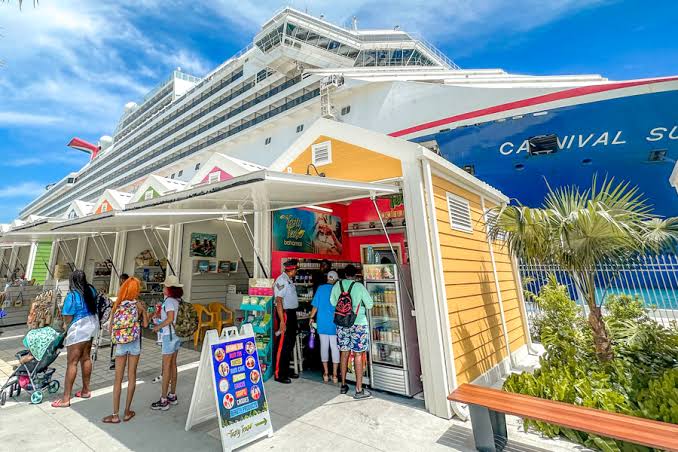
The Bahamas is once again posting record visitor numbers.
The composition behind those numbers tells a less reassuring story.
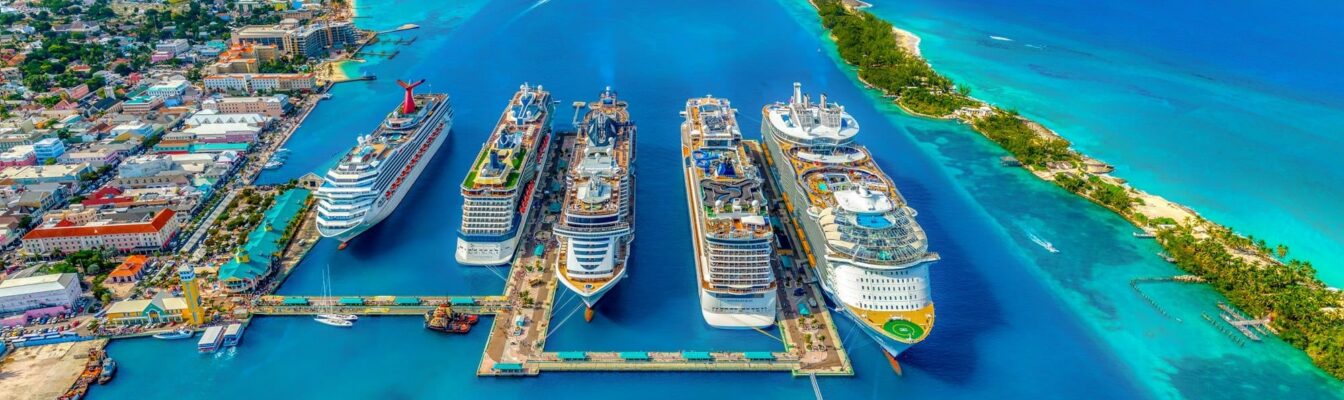
In 2025, roughly 85 per cent of all arrivals to the country were cruise passengers, a segment that generates significantly less economic value per visitor than overnight stopover tourism, according to the Inter-American Development Bank’s Caribbean Economics Quarterly. Stopover arrivals fell 2.6 percent that year to 1.82 million, continuing a softening trend in the higher-value overnight segment even as total visitor volumes climbed.
That gap matters because the two segments do not contribute equally to the domestic economy. Stopover visitors typically book hotel rooms, eat at local restaurants, and spend across a broader range of services during multi-day stays. Cruise passengers spend a few hours ashore and move on. A destination can post headline arrival growth built almost entirely on ship calls while its hotel sector, restaurant trade, and tourism employment barely move.
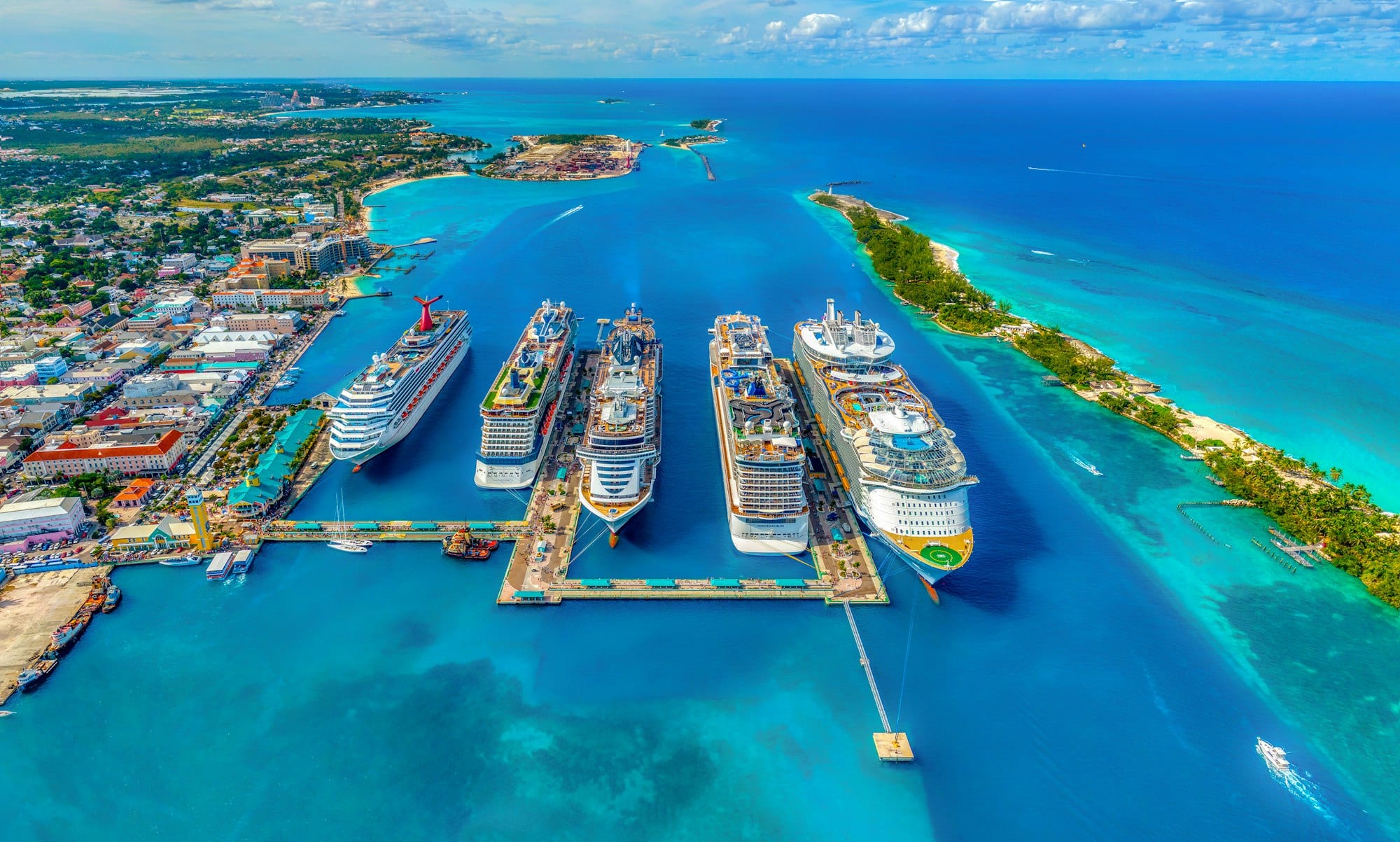
The 2026 data suggests the picture has started to shift, but the shift is recent and not yet conclusive. Visitor arrivals rose 14.2 per cent to 6.1 million in the first five months of the year, according to Eye Witness News, with the Central Bank crediting the gain to “a rebound in high-value stopover travel and continued cruise expansion.” Stopover visitors reached 908,397 through May, while cruise passenger traffic expanded to 5.16 million, a 16.4 per cent jump from the same period in 2025. Sea passengers still grew faster than air arrivals, up 15.7 per cent against 4.3 per cent, meaning cruise dependence has not gone away. It has simply been joined by a stopover recovery running alongside it.
The Central Bank’s own language has tracked this cautiously. Its March report described cruise sector earnings as buoyant “alongside expanded stopover receipts, despite ongoing capacity constraints.” By July, the bank was crediting improved earnings growth in the stopover segment specifically, a notable change in emphasis after more than a year of monthly reports that leaned on cruise growth to carry the tourism narrative.
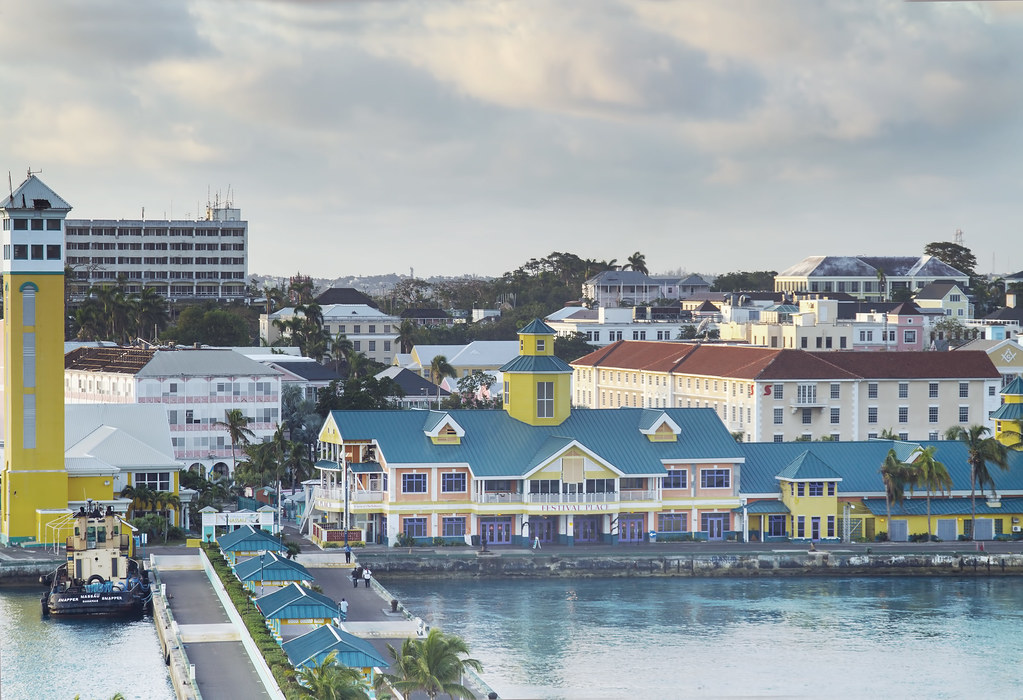
Hotel executives are describing the same pattern from the ground. Baha Mar’s Robert Sands told the Tribune in August that occupancy gains were showing up “in terms of occupancy levels” across cruise, short-term rental, and stopover segments alike, rather than being concentrated in one channel.
What is still missing is confirmation that this is a structural rebalancing rather than a favourable few months. Hotel room capacity constraints, cited repeatedly in Central Bank reports through 2026, remain a limiting factor on how much further stopover volumes can grow without new supply. The $3.5 billion tourism investment pipeline identified by the IDB, spanning cruise infrastructure, luxury resorts, and destination development, will eventually add that capacity. Whether it adds it in the right proportion- more hotel rooms relative to cruise berths – will determine whether 2026’s stopover gains compound into a genuine rebalancing or fade once the current growth cycle cools.



Comments