Barbados opens its deep waters: Inside the 2026 offshore licensing drive

/ Our Today
administrator
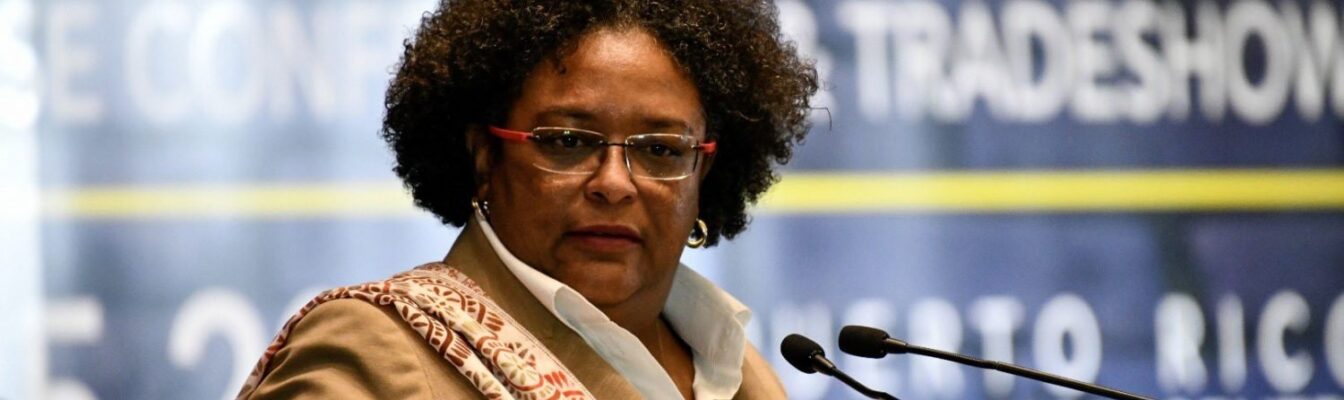
Barbados has never been thought of as an oil and gas player. Its economy runs on tourism, financial services, and a Prime Minister who has spent the last several years lecturing the developed world on the urgency of cutting fossil fuel use. That contrast is exactly what makes the government’s newest initiative so striking: a formal invitation to international energy companies to come explore the island’s deep-water seabed for oil and natural gas.
What’s actually on offer
The programme is called the 2026 Offshore Petroleum Direct Negotiations, and it opened its pre-qualification window on June 1, running through September 1. Nineteen offshore blocks are up for grabs, spanning roughly 62,600 square kilometres of continental shelf and ultra-deepwater acreage, with individual blocks ranging from about 1,167 to just over 5,000 square kilometres. Three of the blocks — named Windmill, Landship and Culpepper — are newly designated ultra-deepwater acreage, and a fourth, the Oistins block, is being released after having been held back from earlier licensing rounds.
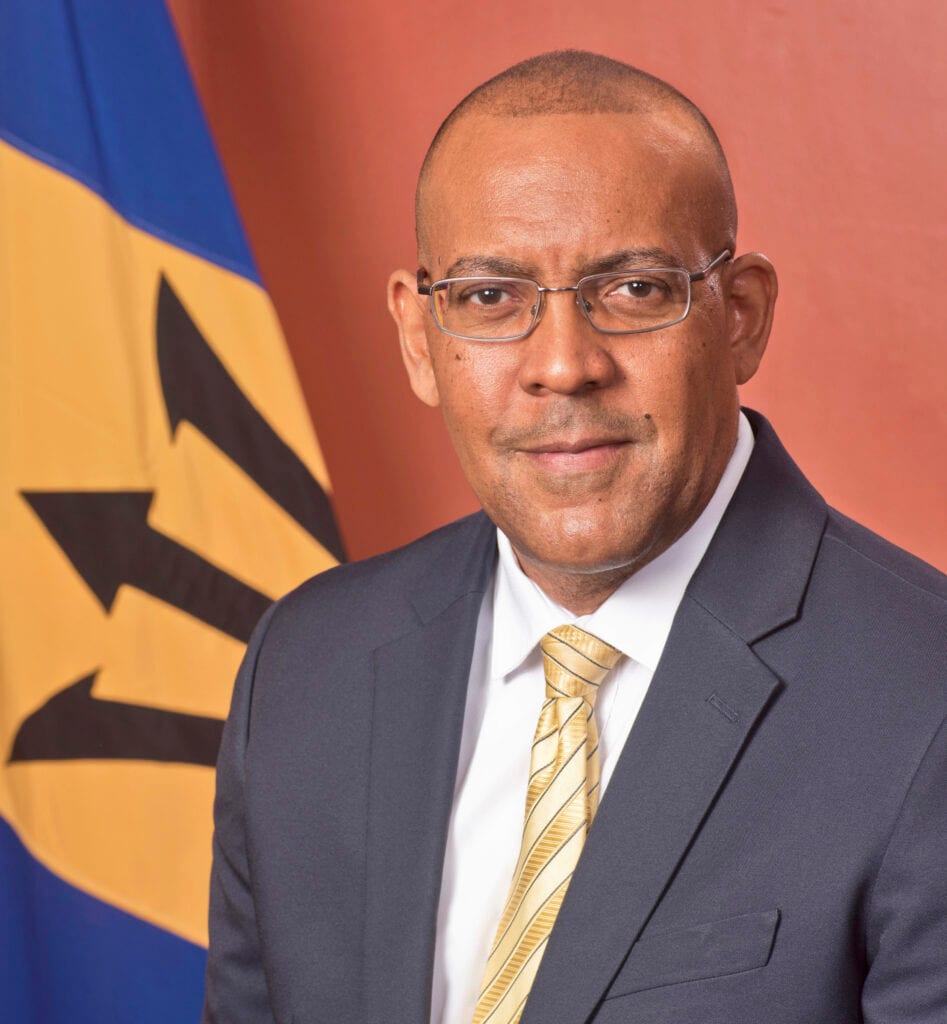
Acting Prime Minister Kerrie Symmonds, who holds the energy, business development and commerce portfolio, announced the round at a ministry press conference. Companies that clear the pre-qualification screening will receive a formal qualification notice confirming they’re considered suitable to operate in Barbadian waters, which then opens the door to exclusive negotiations over specific blocks. The whole process sits under the country’s amended Offshore Petroleum Act.
The numbers driving the pitch
What’s pulling interest is the scale of what might be underground. Government officials, citing two- and three-dimensional seismic survey work, have floated the possibility of as much as 13 billion barrels of oil in place, along with more than 40 trillion cubic feet of natural gas. Director of Natural Resources Jamar White has been the most direct about the figures, framing them as a meaningful upside case for the acreage on offer.
It’s worth being clear-eyed about what that number means: officials themselves describe it as an unproven, seismic-based estimate, not a confirmed reserve — actual drilling would be needed to know whether the resource is real and recoverable. But the comparison being drawn regionally is hard to ignore. A figure in that range would put Barbados in the same conversation as Guyana’s Stabroek Block, the discovery that transformed Guyana from one of the hemisphere’s smaller economies into one of the fastest-growing oil producers in the world within a decade.
For context on where Barbados stands today: the country currently produces roughly 1,000 barrels of oil a day, all from onshore operations at the Woodbourne field run by the state-owned Barbados National Oil Company. That’s a tiny fraction of domestic demand — the island imports the great majority of the petroleum it uses.
The climate contradiction, acknowledged head-on
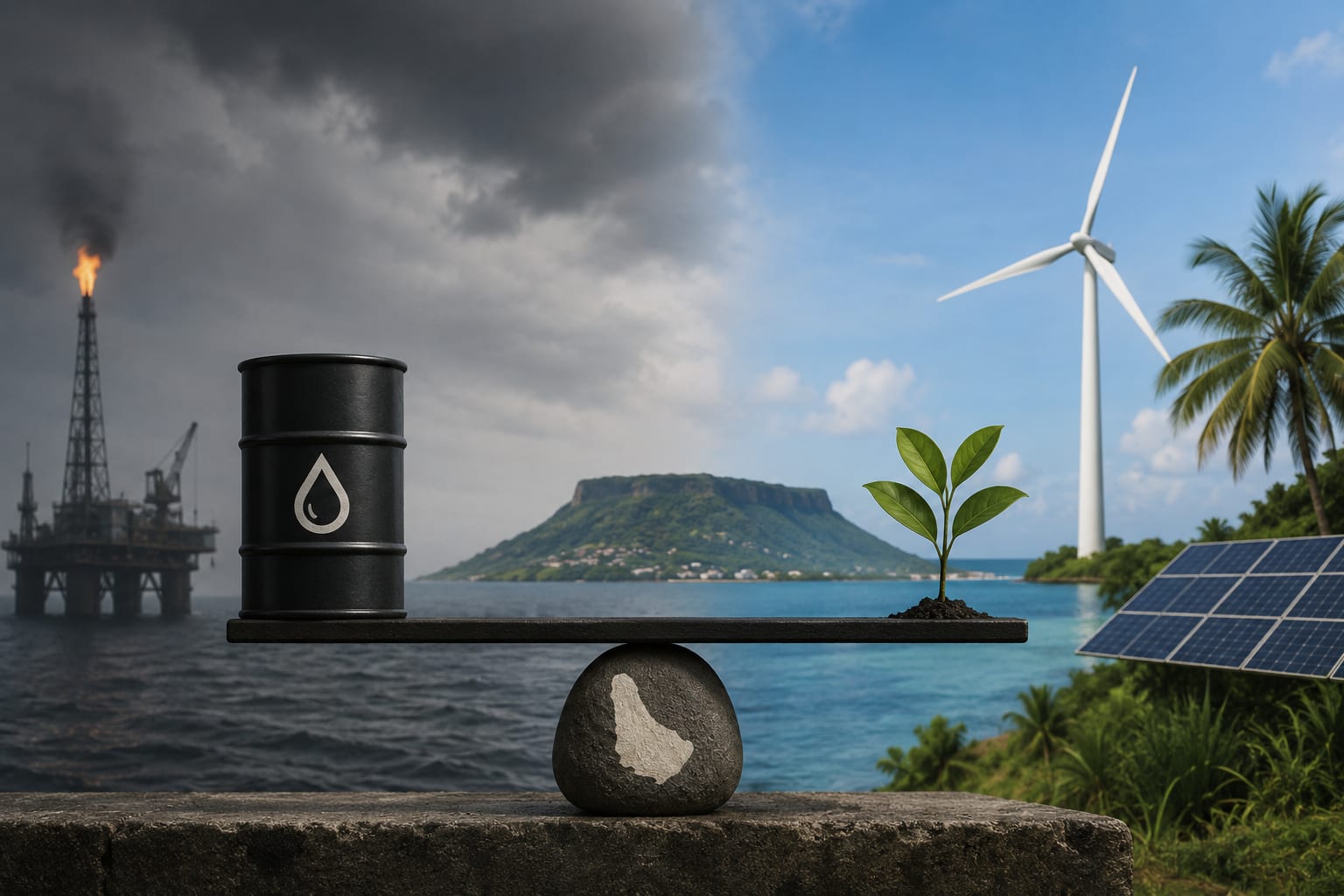
The awkward part of this story is obvious, and officials aren’t pretending otherwise. Prime Minister Mia Mottley has built an international profile as one of the most outspoken advocates for climate action among small island states, pushing wealthier nations toward binding commitments on emissions and even a global treaty to curb methane leakage from oil and gas operations. Opening the country’s waters to oil exploration sits in tension with that record.
The government’s answer is to frame this as a “multi-energy strategy” rather than a pivot away from its climate commitments. Symmonds has said the offshore push is meant to sit alongside — not instead of — Barbados’s renewable energy targets, with the idea being that any future hydrocarbon revenue could help fund the transition rather than replace it. Bid requirements reportedly include tightened environmental and climate obligations for prospective operators, a deliberate attempt to distinguish this round from a conventional oil and gas tender.
Whether that framing holds up will depend heavily on what happens after September 1 — who actually qualifies, what environmental conditions are attached to any awarded blocks, and whether exploration ever moves to production. For now, it remains a declared intention rather than a demonstrated outcome.
Everyone wants to be like ….
There’s a wider regional angle here too. Barbados’s move follows a pattern playing out across the Eastern Caribbean and northern South America, where seismic data and rising global interest in offshore basins have pushed several small states to reconsider acreage they’d previously left untouched. Guyana’s transformation is the reference point everyone in the region measures against, and its success has plainly shaped how neighbouring governments — including Barbados’s — think about their own offshore potential.
For a country of roughly 280,000 people whose economy has long been anchored in tourism and financial services, even a modest, confirmed discovery could be significant. An unconfirmed one — which is where things currently stand — is still enough to reshape the conversation about the island’s economic future, and to test how far a climate-forward government can go in courting the oil and gas industry without undermining the credibility it has built on the opposite side of that debate.


Comments