
China’s consumer prices fell last month at the fastest pace since the global financial crisis, piling pressure on the economy, which has been beset by falling prices for much of last year.
This latest news is prompting the government to step-up support for a stumbling economic rebound with producer prices falling for 16th month in signs of weak demand. The Consumer Price Index (CPI) dropped 0.8 per cent in January from a year ago, the weakest since September 2009.
China’s National Bureau of Statistics reports that the drop was worse than economists’ expectations for a 0.5 per cent decline. The producer price index fell 2.5 per cent, marking 16 straight months of deflation for factory-gate costs.
China’s economic slide
The latest data come as calls mount for China to do more to stimulate the economy and reverse a stock market slide. Confidence in the world’s second-largest economy has flagged despite efforts by the government to add stimulus, including measures such as unleashing long-term cash for banks and issuing more government bonds to fund construction projects.
China has also taken a slew of moves to arrest the US$5 trillion equities selloff. President Xi Jinping was set to get a briefing from regulators on the rout, Bloomberg News reported earlier this week. Underscoring the urgency, Beijing ousted the head of the nation’s main securities regulator, sending shockwaves across the industry.
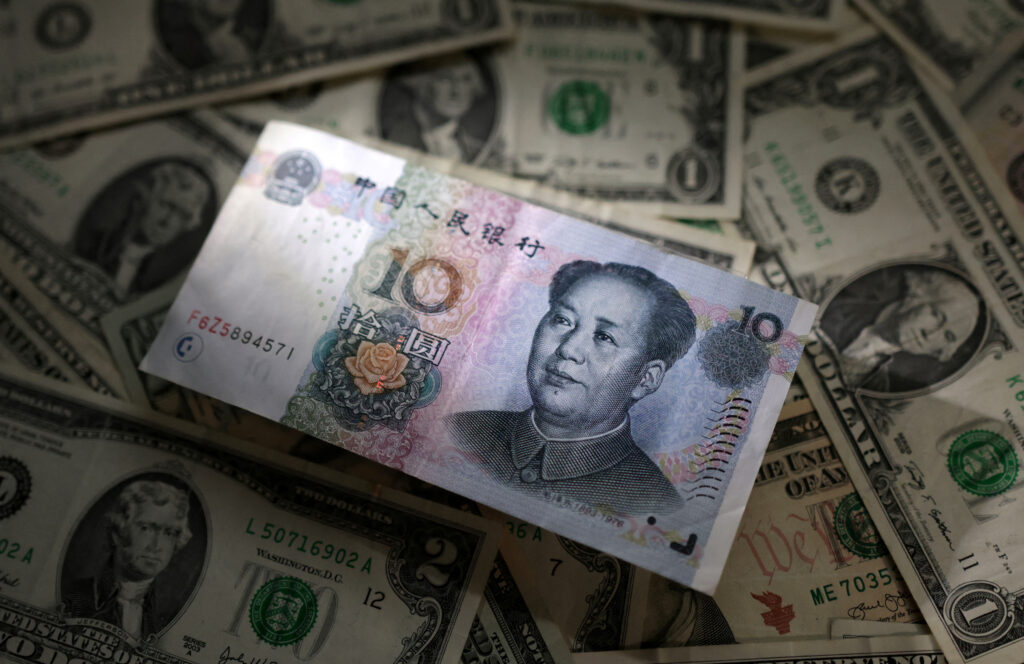
The benchmark CSI 300 Index rose 0.4 per cent on Thursday, in line for a fourth day of gains. The yuan was little changed at 7.1945 per dollar. The latest CPI data reflects China facing persistent deflationary pressure.
China in deflation
China has been beset by falling prices for much of the last year, as the nation struggles to revive domestic demand and consumer confidence. A measures of economy-wide prices marked its longest slide since 1999 in the fourth quarter, underscoring the magnitude of the challenge as policymakers look to boost growth this year.
China’s Gross Domestic Product (GDP) deflator was negative for last three quarters of 2023. The People’s Bank of China has signalled that fighting deflation is a priority and looks set to deliver more stimulus.
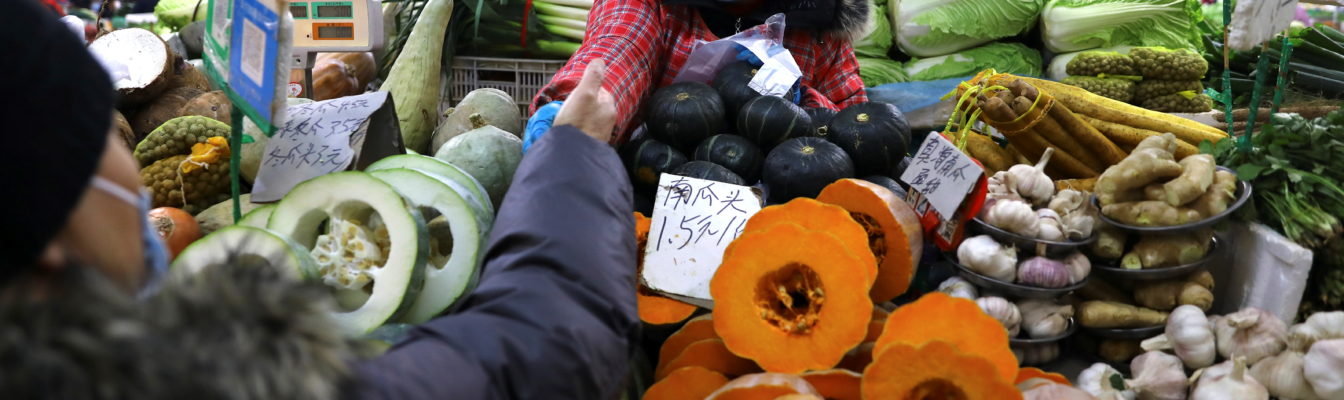
Core CPI, which strips out volatile food and energy costs, rose 0.4 per cent, slower than December and the weakest rise since June last year. Pork prices dropped 17 per cent, helping drag down food prices by 5.9 per cent, which was the biggest decline on record in data back to 1994.
The risks from deflation are serious. If China is unable to meaningfully turn the trend around, it risks leading to a downward spiral with people holding off on purchases due to expectations prices would continue falling.






Comments