Crime getting way out of control in Trinidad: Trinidad Lower House passes Special Operations Bill as Opposition Calls it unconstitutional

/ Our Today
administrator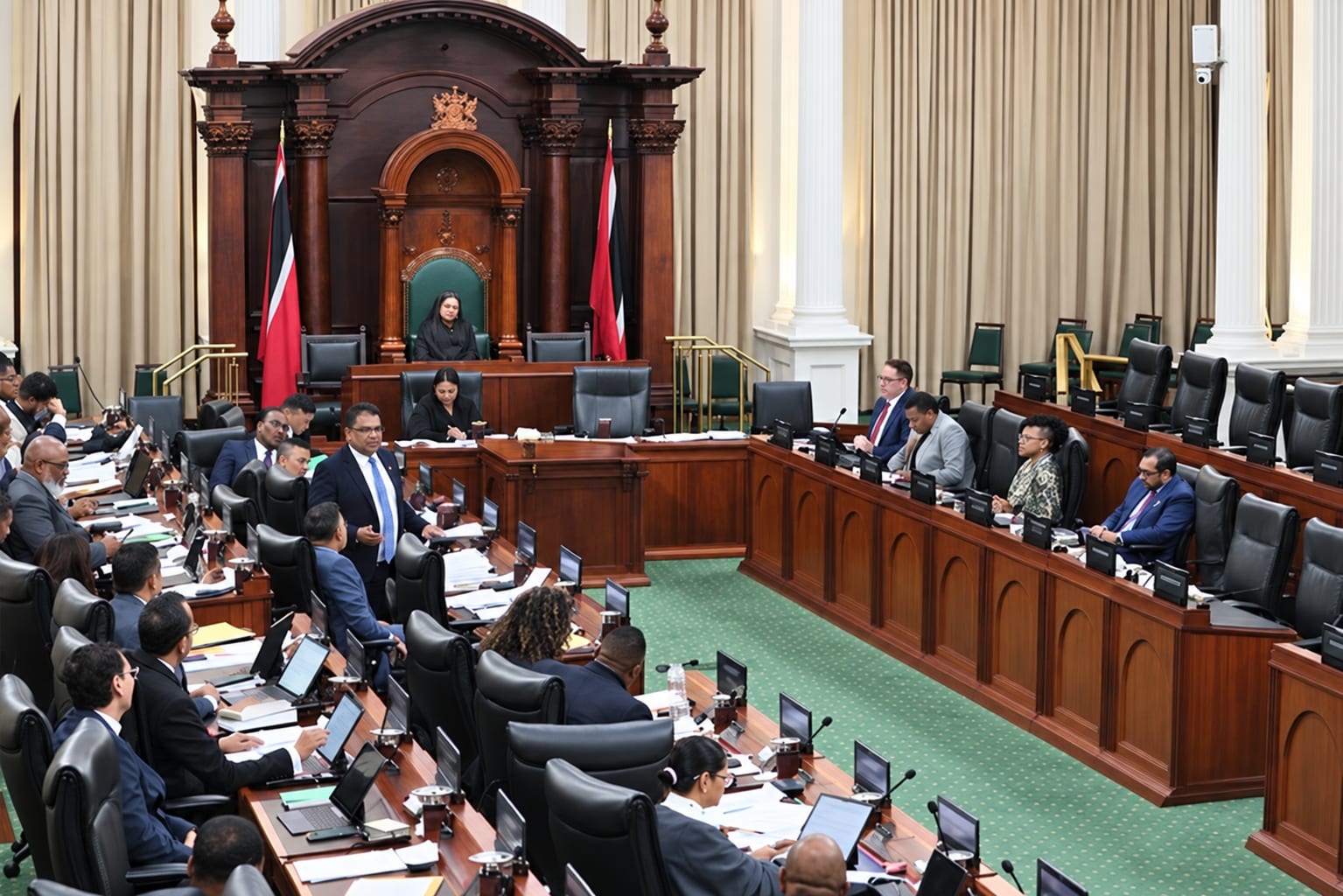
Trinidad and Tobago’s House of Representatives passed the Special Operations Bill, 2026 shortly after midnight on Saturday, despite Opposition claims that the legislation is unconstitutional and was rushed through Parliament. The bill now goes to the Senate.
The House sat for more than 13 hours on Friday before approving all 26 clauses and the schedule without amendment, by a simple majority.
The bill creates seven policing districts. Within them, specific locations can be declared closed areas for limited periods, with curfews, cordons, checkpoints, road closures, restrictions on entry and exit and, in specified circumstances, warrantless searches. The President would declare closed areas and curfews by Order on application from the Minister of Homeland Security. The Act would expire two years after it comes into operation.
It replaces the Zones of Special Operations (ZOSO) bill, which the Senate defeated in January after it failed to reach a three-fifths majority without the support of a single independent senator. The new bill does not expressly invoke sections 4 and 5 of the Constitution or seek passage under section 13, the route that would have required a three-fifths majority.
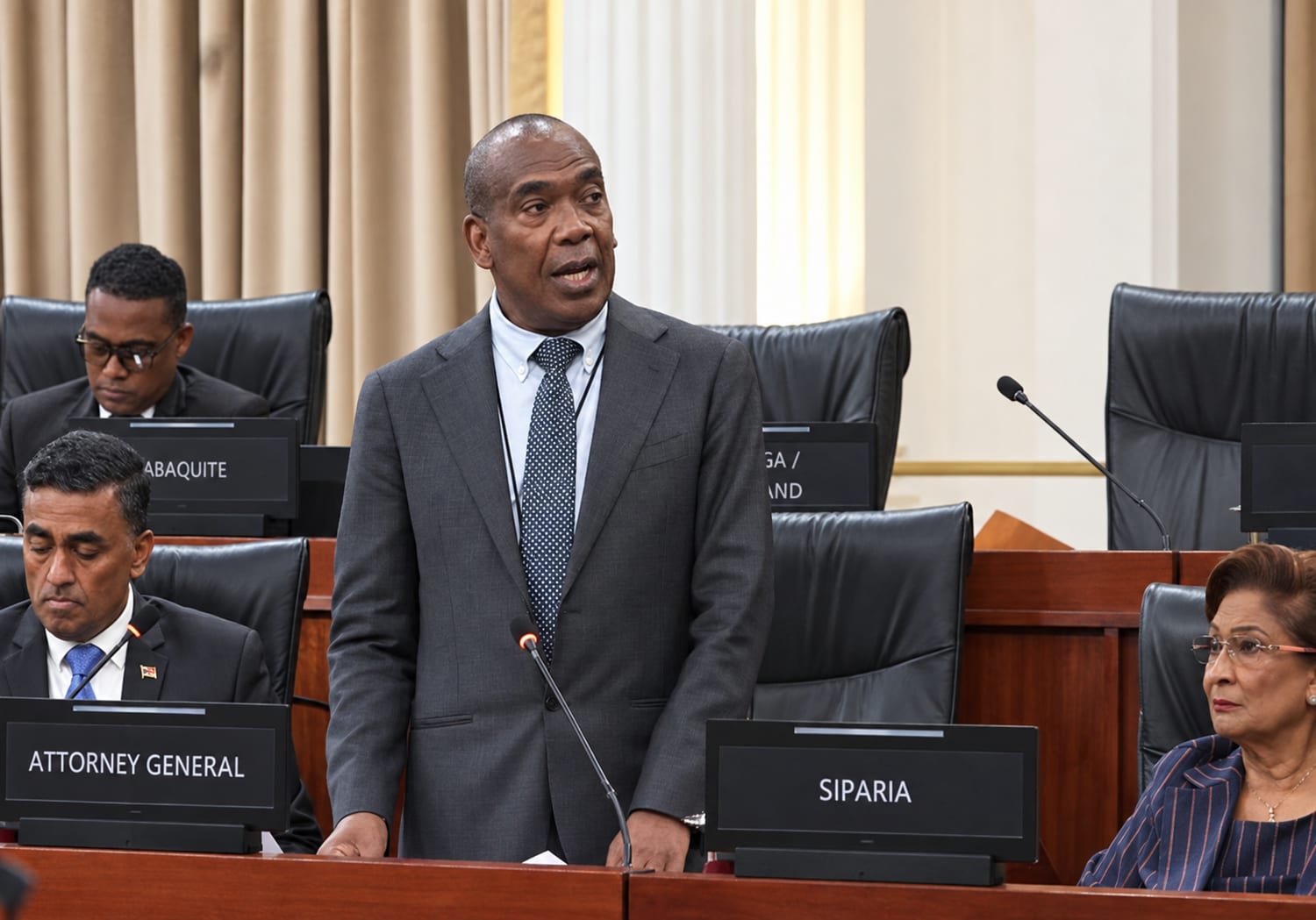
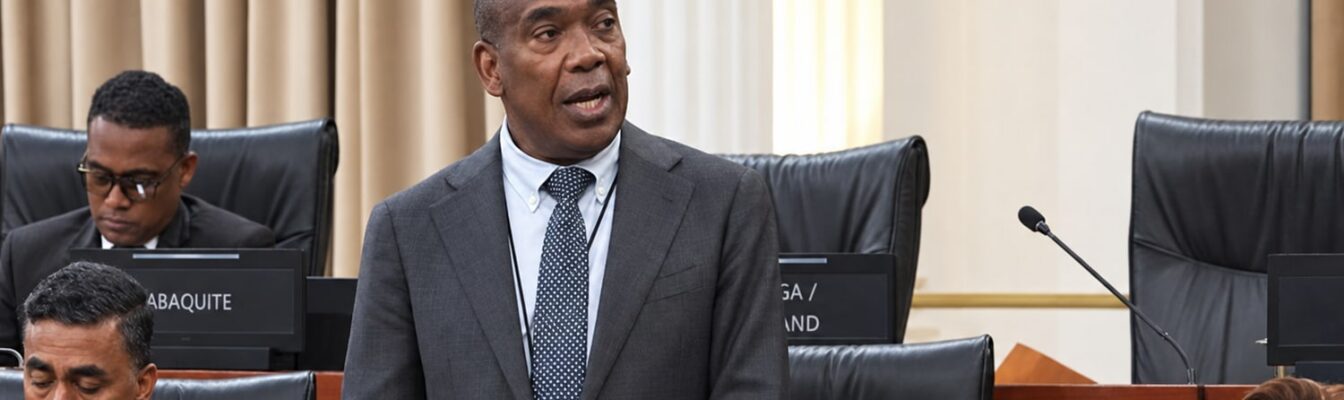
That choice is at the centre of the Opposition’s case. Port-of-Spain South MP Keith Scotland argued that the bill infringes constitutional rights and should therefore have needed a special majority. Former prime minister Stuart Young told the House the bill is unconstitutional, said MPs had less than 48 hours to consider it, and warned it could turn the country into a “police state.” He criticised the permit system for people living in or moving through closed areas, and argued the President’s role is a formality because Cabinet effectively decides, citing section 80(1) of the Constitution. He also pointed to recent court decisions in Belize and Jamaica as possibly relevant to any challenge.
Young also cited figures from the recent state of emergency: over 800 preventive detention orders applied for, over 700 granted and almost 600 executed, with just over 200 people charged.
Attorney General John Jeremie acknowledged the bill could interfere with the rights to liberty and enjoyment of property, respect for private and family life, and freedom of movement. He said any infringement is reasonable and proportionate, relying on the Privy Council’s 2022 Suraj decision and the 2007 Suratt case. He conceded that legislation passed by simple majority faces a higher burden of justification if challenged in court.
Jeremie pointed to safeguards including police and Defence Force training, permits despite cordons and curfews, limits on searches and seizures, judicial scrutiny of arrests and detentions, and body-worn cameras. He said comparable legislation exists in Jamaica and St Lucia and has not been declared unconstitutional. Police districts, he said, “don’t equate to a police state.”
Energy Minister Roodal Moonilal accused Young of misleading the public, saying a closed area could be a few streets or a single street rather than a whole district. On legal challenges, he said people can file at any time.
The Senate has not yet set a debate date [confirm sitting date]. Both sides have framed the dispute around whether the bill’s limits on rights pass the proportionality test.

Comments