


Durrant Pate/Contributor
Deaths in Jamaica from communicable diseases are on the decline, with the latest trajectory showing the trend to remain on this downward course.
The latest Jamaica Population Health Status Report 1995 – 2023, which was tabled in Parliament on June 11, detailed that the proportion of deaths resulting from communicable diseases (including influenza, HIV, tuberculosis or TB and dengue), maternal, perinatal and nutritional conditions declined between 2006 and 2020.
The percentage of deaths went down from 11.2 per cent in 2006 to 9.9 per cent in 2018 and increased to 14.6 per cent in 2022. In 2023, the percentage of deaths decreased to 10.3 per cent.
The report by the National Epidemiology Branch of the Ministry of Health and Wellness shows that in 2021, the percentage of deaths due to communicable, maternal, and perinatal diseases jumped to 25.0 per cent, possibly due to the emergence and spread of diseases primarily COVID-19 and possibly dengue.
In 2023, Jamaicans lived an average of 74.2 years, marking an increase of two years from the 1995 average of 72.2 years. The tuberculosis mortality ratio declined from 0.8 per 100,000 people in 1997 to 0.2 in 2022. In that year (2022), data from The Registrar General’s Department (RGD) showed that six deaths were attributed to TB in Jamaica compared to 17 in 1997.
AIDS/HIV data
The report also showed that fewer Jamaicans are dying from Acquired Immune Deficiency Syndrome (AIDS), which is the late stage of the HIV infection that attacks the body’s immune system. Between 1982 and 2022, there were 40,929 cases of HIV reported to the national surveillance programme, including 13,604 deaths (due to HIV-related and unrelated causes).
The mortality rate from AIDS was 10.4 per 100,000 population in 2021 compared to 10.8 per 100,000 population in 1995.
Maternal mortality ratio
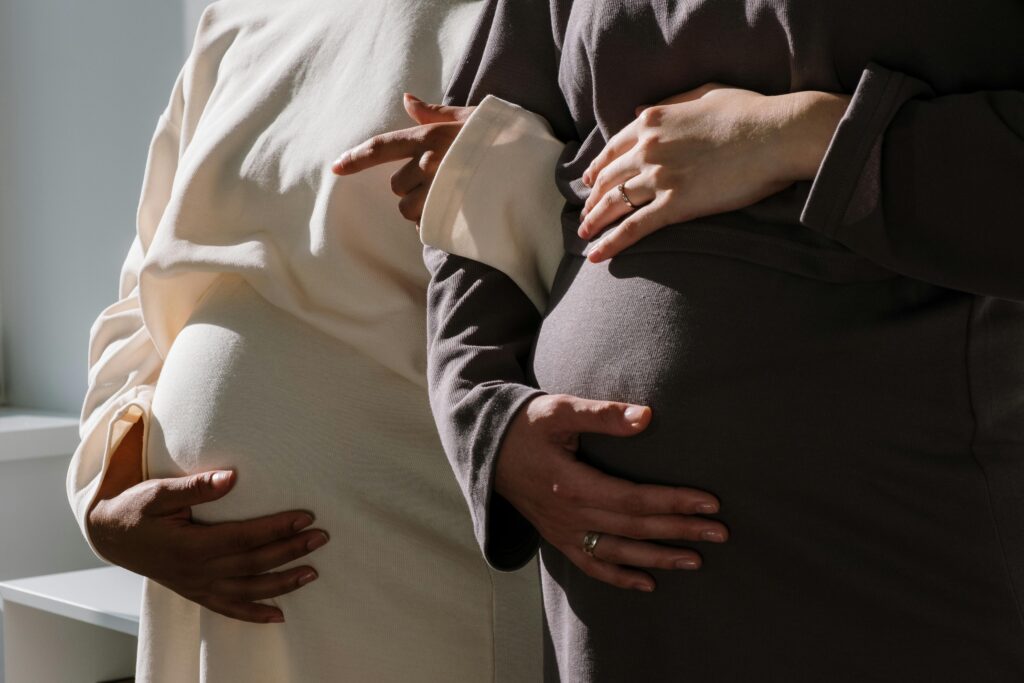
The maternal mortality ratio (MMR), which measures the number of maternal deaths per 100,000 live births, is a key indicator of a country’s maternal health status has remained over the global target of below 70 per 100,000 live births over the past two decades
The data shows that in the last two decades, Jamaica has not achieved a maternal mortality rate below 70 per 100,000 live births. The closest figure was recorded in 2009 at 72 per 100,000 live births.
Since 2016, Jamaica’s maternal mortality ratio has exceeded 100 per 100,000 live births, peaking at 211.3 in 2021 due to the impact of the COVID-19 pandemic.
By 2023, the preliminary data for the maternal mortality ratio decreased to 136.9 per 100,000 live births.






Comments