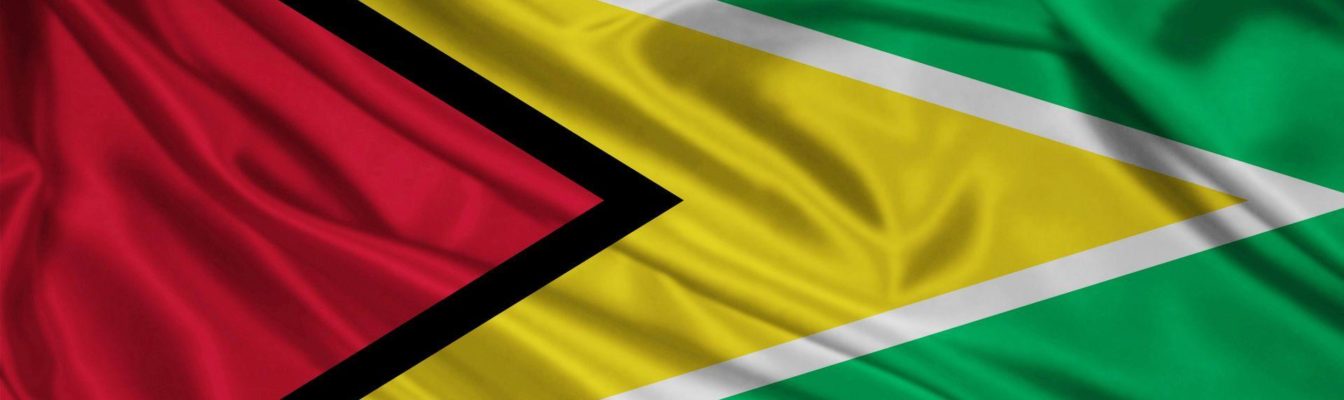


Despite the adverse implications of the nationwide flooding earlier this year, Guyana’s 2021 economic growth projections have been bumped up by the International Monetary Fund (IMF).
These improved projections by the IMF illustrate that Guyana will continue to lead economic growth in the Caribbean and Latin American region. In the latest edition of its World Economic Outlook, published on Tuesday (October 12), the IMF reports that Guyana’s real Gross Domestic Product (GDP) is now expected to increase by 20.4 per cent in 2021.
This is an increase from the earlier projection made in April that Guyana’s economy would expand by 16.4 per cent this year. The IMF emphasised that this October report, unlike the report in July, takes into account the nationwide flooding that Guyana experienced in May and June of this year.
Guyana’s economy is expected to grow even further
This means that despite the widespread flooding and the implications for various sectors of the economy and the disruption of people’s lives, the local economy is performing well. Additionally, the IMF reports that Guyana’s economy is expected to grow by a further 48.7 per cent in 2022.
This too is an increase from earlier projections; the economy was previously projected to expand by about 46.5 per cent next year. Economic growth in the entire Caribbean and Latin American region is pegged at 6.3 per cent in 2021 and three per cent in 2022.
Of the 33 countries in this grouping, Guyana is expected to record the highest level of economic growth. After Guyana, the next highest growth figure is Aruba (12.8 per cent). Then, there is Panama (12 per cent), Chile (11 per cent) and Peru (10 per cent).
In the Caribbean region, specifically, Barbados is expected to record a 3.3 per cent expansion; Jamaica, a 4.6 per cent expansion and Trinidad and Tobago, a 0.1 per cent contraction (or reduction). Guyana’s positive growth is primarily hinged upon developments in its burgeoning oil and gas sector.
According to the Ministry of Finance’s Mid-Year Report for 2021, Guyana recorded real GDP growth of 14.5 per cent, while non-oil GDP grew by 4.8 per cent. This growth, the ministry noted, was despite the challenges of the COVID-19 pandemic and even the devastating floods experienced in May-June.
Lingering effects of the floods
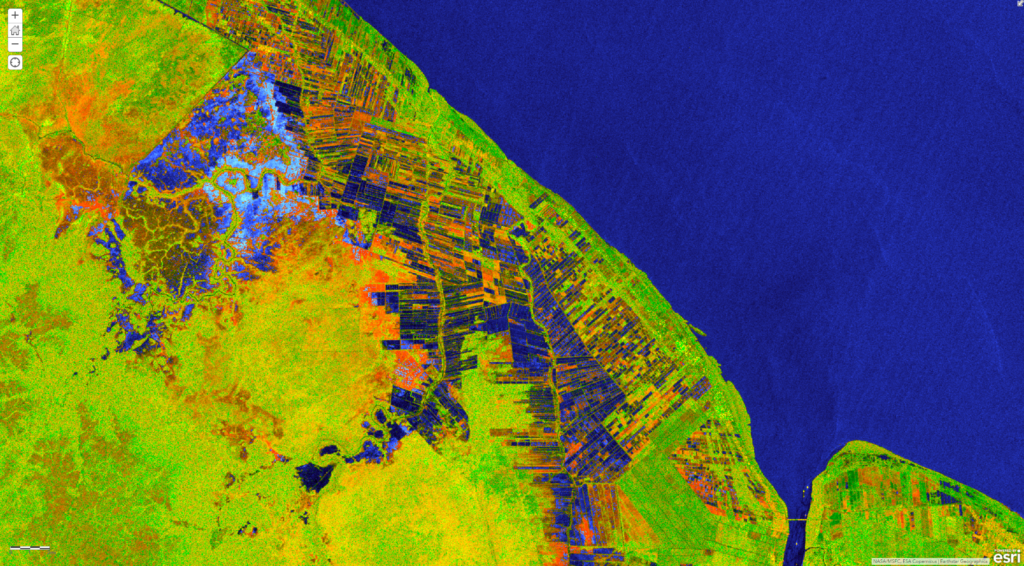
In a recent press release, the Finance Ministry stated that the floods, which impacted particularly the agriculture, forestry and mining sectors, along with the lingering effects of the COVID-19 pandemic, points to a revised full-year forecast for real GDP growth in 2021. This projection from the ministry is now 19.5 per cent overall and 3.7 per cent for the non-oil economy.
Meanwhile, the IMF also reported that the global economy is projected to expand by 5.9 per cent, a slight downward revision from the six per cent projected in the July report. While this appears to be a marginal reduction, the IMF said that the “modest headline revision masks large downgrades for some countries.”
The IMF also stated: “The outlook for the low-income developing country group has darkened considerably due to worsening pandemic dynamics.”
Cognizant of the challenges that continue to impact economies differently, the IMF stated that the “foremost policy priority” should be for countries to vaccinate their populations.
Importantly, the IMF said that at least 40 per cent of each country’s population should be vaccinated by end-2021; a further 70 per cent should be immunized by mid-2022.




Comments