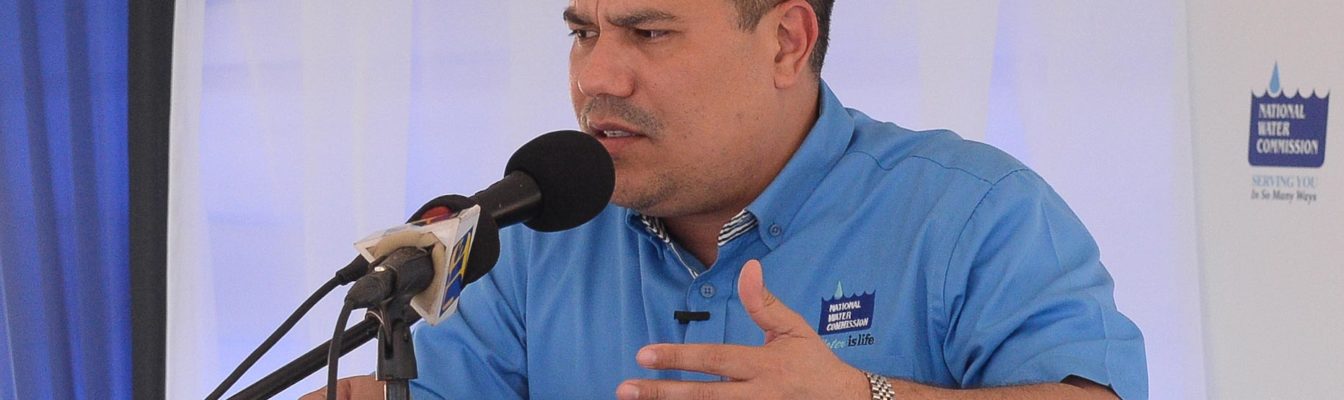
Jamaica increases investment in water infrastructure, says Samuda

/ Our Today
administrator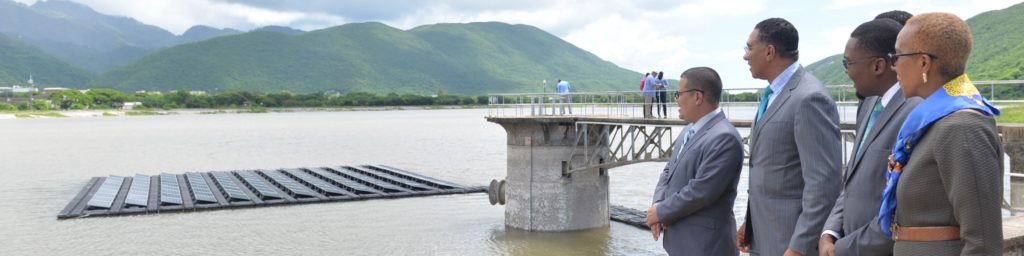
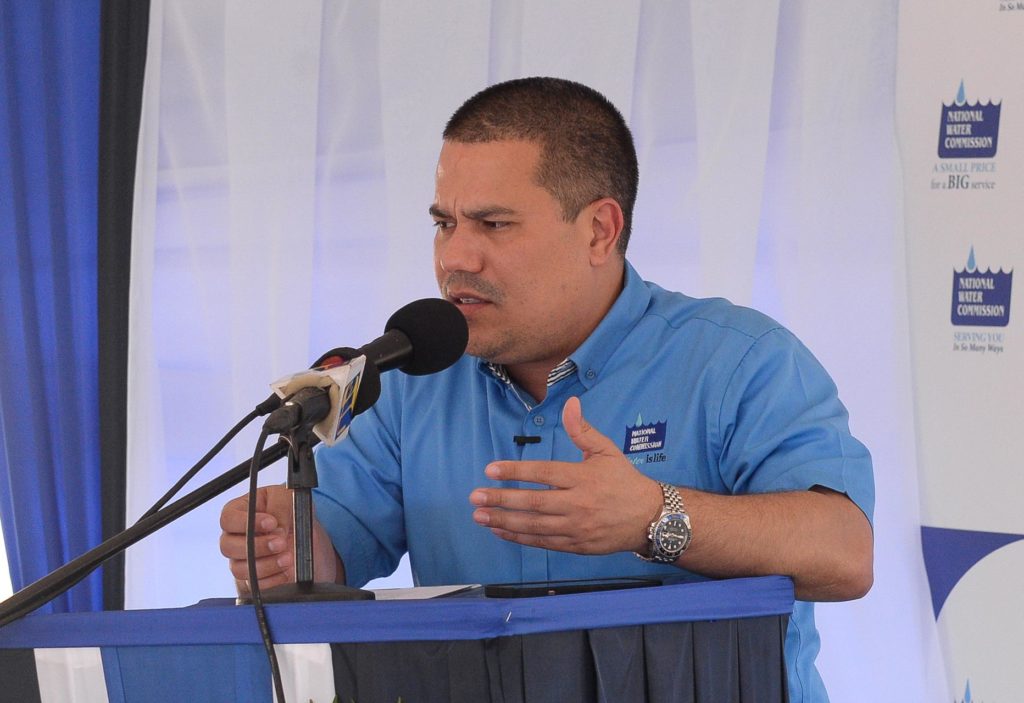
Jamaica has significantly increased its investment in water infrastructure over the past seven years, according to Senator Matthew Samuda, who spoke at the UN 2023 Water Conference in New York yesterday (March 23).
Samuda, minister without portfolio in the Ministry of Economic Growth and Job Creation, highlighted several critical projects being undertaken by the government, which aim to improve water supply services across the island and increase the country’s resilience to climate change.
These include the replacement of aged transmission lines and infrastructure by the National Water Commission (NWC), as well as the implementation of the Non-Revenue Water Programme, which aims to improve service delivery to customers and enhance the NWC’s operational efficiency.
Samuda also noted the implementation of Jamaica’s Systemic Risk Assessment Tool, which assesses climate risk to all infrastructure including water. This tool was developed by CCRI and the University of Oxford, with funding from the Green Climate Fund.
In addition, the government is pushing to install a Floating Photovoltaic Renewable Energy Plant at the Mona Reservoir. This project involves the installation of a 45 Megawatt-peak (MWp) Direct Current (DC) Floating Photovoltaic Renewable Energy Plant with a 25 Megawatt-hour (MW/h) DC Battery Storage Facility.
Furthermore, the government has commenced the biggest investment in Jamaica’s history in irrigation, with some US$250 million invested into the Essex Valley Irrigation Scheme and Pedro Plains Irrigation Project.
Samuda noted that these projects are a national priority to improve food security.



Comments