


Great countries are built by engineers and if Jamaica aspires to be both developed and great, it will need to call on its engineers.
This year, the Jamaica Institute of Engineers (JIE) celebrates “The Year of Engineering”.
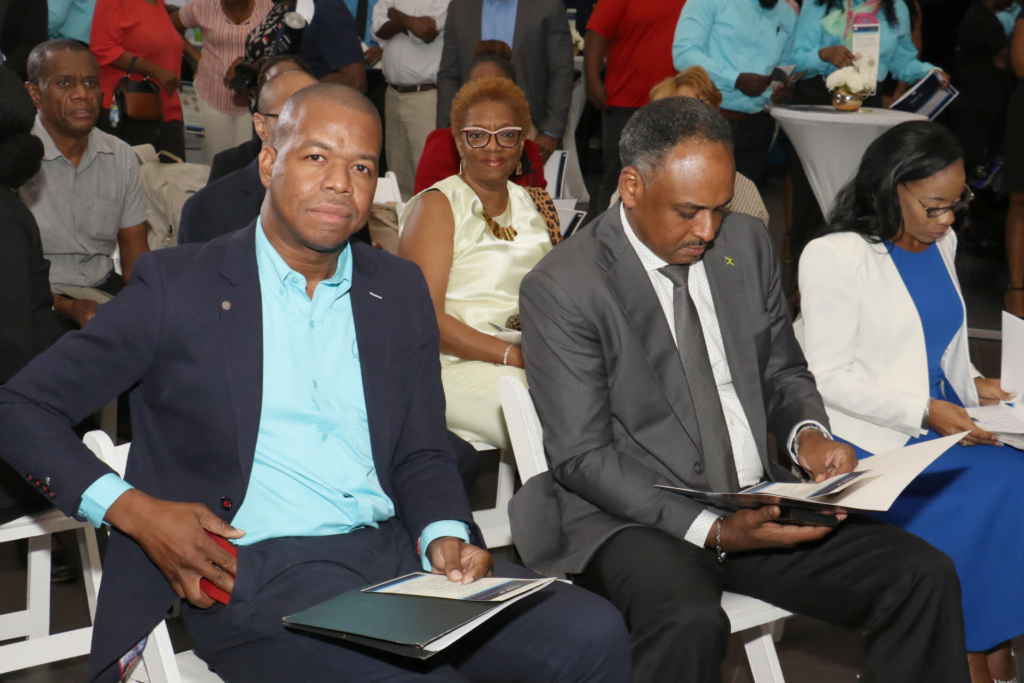
Last Thursday, JIE hosted an event at the ATL Audi Showroom on Waterloo Road in Kingston to mark “The Year of Engineering”. The Master of Ceremony Aisha Campbell, CEO of Proven Properties, is herself a trained engineer.
President of the JIE Oneil Josephs declared that engineering is vital to Jamaica’s growth and development. All of its infrastructure is based on skill sets honed over seven decades of research and development in engineering.
“ The JIE is of the view that engineering is critical to the country’s development. One get’s the impression that engineering in Jamaica is seen as the ugly step child with lawyers, doctors and bankers getting more respect than engineers. But you have to ask the question; where does the money come from to uphold these professions?
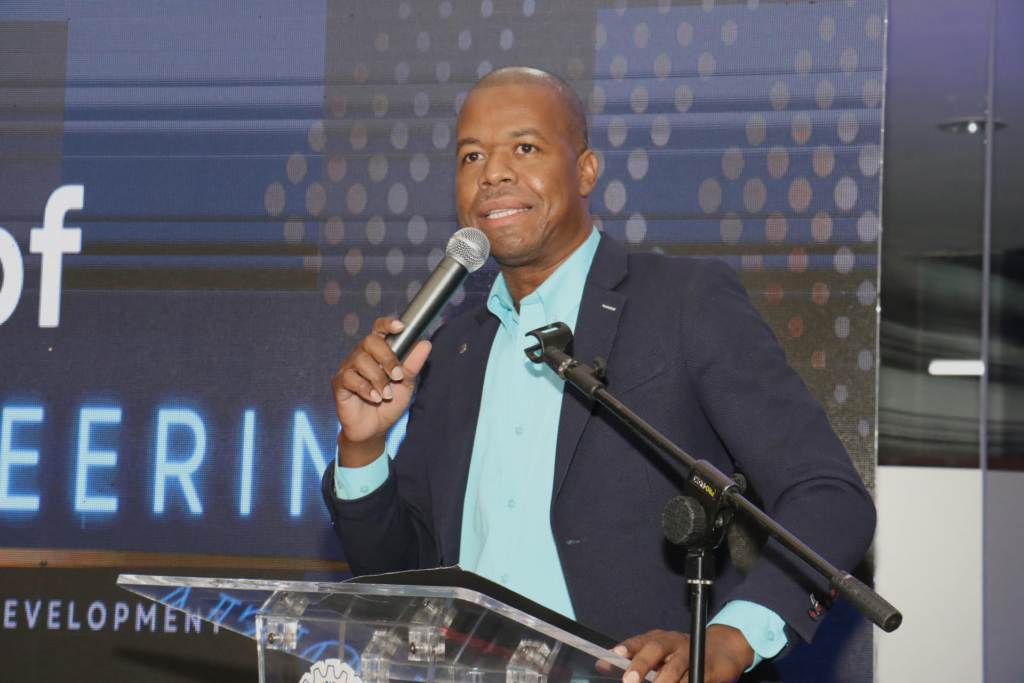
With the deterioration of our infrastructure, it is time to put back into perspective the role of engineering in Jamaica.”
The president of the JIE makes a good point here but it will need notable personages to champion the cause of Jamaican engineers. By nature, engineers ae insular and cerebral. It is a profession shrouded in mystery where the uninitiated are firmly kept out.
Some of Jamaica’s brightest and well-known sons and daughters on the corporate landscape have backgrounds in engineering.
Former CEO of GraceKennedy Douglas Orane holds an advanced degree in engineering, so to does NCB Chairman Michael Lee Chin, and Proven director and shadow spokesperson on national security, Peter Bunting. The CEO of Sagicor Group Jamaica, Chris Zacca, is an MIT trained engineer. Joanna Banks of Sagicor is also a trained engineer.
Perhaps they can be champions of the JIE.
Josephs made it clear that the JIE will be looking to place focus on three areas:
1. Awareness
2. Research & Development
3. Business.
He went on to say, delivering the message that engineering is the driver of economic development cannot be understated and that there is a need to turn young people onto the profession.
“This evening, the banks are here, the entrepreneurs are here, the builders are here. We can all come together to ensure that engineering plays a bigger role in the development of Jamaica. Right now there is a shortage of both civil and structural engineers in Jamaica. There are opportunities for businesses and we will need greater collaboration and partnership,” said Josephs.
The special guest speaker for the evening was managing director of the Jamaica Social Investment Fund, Omar Sweeny. He returned to work in Jamaica, twenty years ago and joined the JIE. He has been an engineer for more than thirty years.
“Jamaica has a rich history of engineering playing a pivotal part in the country’s development. The legacy of the JIE started in the sixties. Today the JIE celebrates its forty-sixth anniversary. There is no question that the impact of engineering on nation building is something that has always been a tenet of our development here in Jamaica. The advancements in building methodologies, mining methodologies, the technologies we enjoy everyday comes from not only foreign engineers but also what our local engineers have done,” said Omar Sweeny.

The Jamaica Social Investment Fund boss pointed out that it was fitting that this year, 2024 is the “Year of Engineering” as GDP from construction moved from J$14 billion in the third quarter of 2023 to J$18 billion today.
Sweeny continued: “ This gives you an idea of how the technical impact of engineering plays an important part in Jamaica’s growth and economy. We can go back to 1801 when the Spanish Town Bridge was assembled in Jamaica and installed in 1802. Black River in St Elizabeth was one of the first areas in the world to have electricity. That is the legacy of engineering in this country.
“ We have to protect and advocate for our profession. We must not remain silent. We have allowed the rest of the economy to subsume us. We have to take our rightful place in society as engineers and make our voices heard.

The seasoned engineer turned his attention to the number of natural disasters that befall Jamaica. “ Jamaica will continue to have floods, earthquakes, hurricanes, landslides, you name it. The question is always asked after the disaster, where are the engineers?
“People in Montego Bay have come to realise, you don’t just put up stones and boulders and then you have shoreline protection-that’s not an engineered structure. We continue to practice what we think are good practoices but they are not engineering practices. The engineers with the knowledge are right here in Jamaica. This year, 2024 is the year engineers are going to step forward.
“Sometimes in the JIE, we tend to believe engineering is just civil engineering. The truth is, as we become more technologically advanced, we have to bring to the fore, engineers, applied scientists, technicians. There is no country that is technologically advanced that is poor and there is no poor country that is technologically advanced.”

Sweeny went on to say that the low number of engineers Jamaica is producing is a cause for concern. Less than 500 graduate from Jamaican institutions each year and the root cause for this he believes is because Jamaica does not encourage and insist on STEM subjects in schools.
Returning to the observation made by Josephs, Sweeny said, “ Because of the prestige of being a lawyer or doctor, the brightest minds are told to go and do that. We have to ensure that young people in Jamaica know that engineering is a good career. In my thirty years of being an engineer, I have never been out of work. I have never been unemployed. The point being, engineering is a prosperous and rewarding career. This myth that you get more prestige by being this or that – we as engineers can no longer propagate it. The lawyers and doctors have built and protected their profession. We as engineers must do the same.
“Let us reaffirm our commitment to the principles of preservation, sustainability and technical innovation. Let us be guided by the wisdom of the past and chart a course for the future.”



Comments