
Jamaica to host GAPS Camp as countdown begins to Glasgow Commonwealth Games
Howard Walker / Our Today
author
Jamaica will host a one-week training camp for Caribbean para-athletes and coaches called GAPS (Gather, Adjust, Prepare, Sustain) at the University of the West Indies (UWI) starting July 20 to 26 in Kingston.
This will be the second edition of its transformative programme and will welcome eight para-athletes and 18 coaches from six Caribbean nations – Jamaica, Barbados, Dominica, Grenada, Guyana and Trinidad and Tobago. This will be the first time for Dominica and Guyana.
The Jamaica Commonwealth Games Association, the Jamaica Paralympic Association and the University of the West Indies have joined forces to stage the camp on the UWI campus.
A highlight of the camp will see athletes competing in a dedicated event on the penultimate day, to showcase new skills and experience para sport classification which is an essential step towards participating in major international competitions.
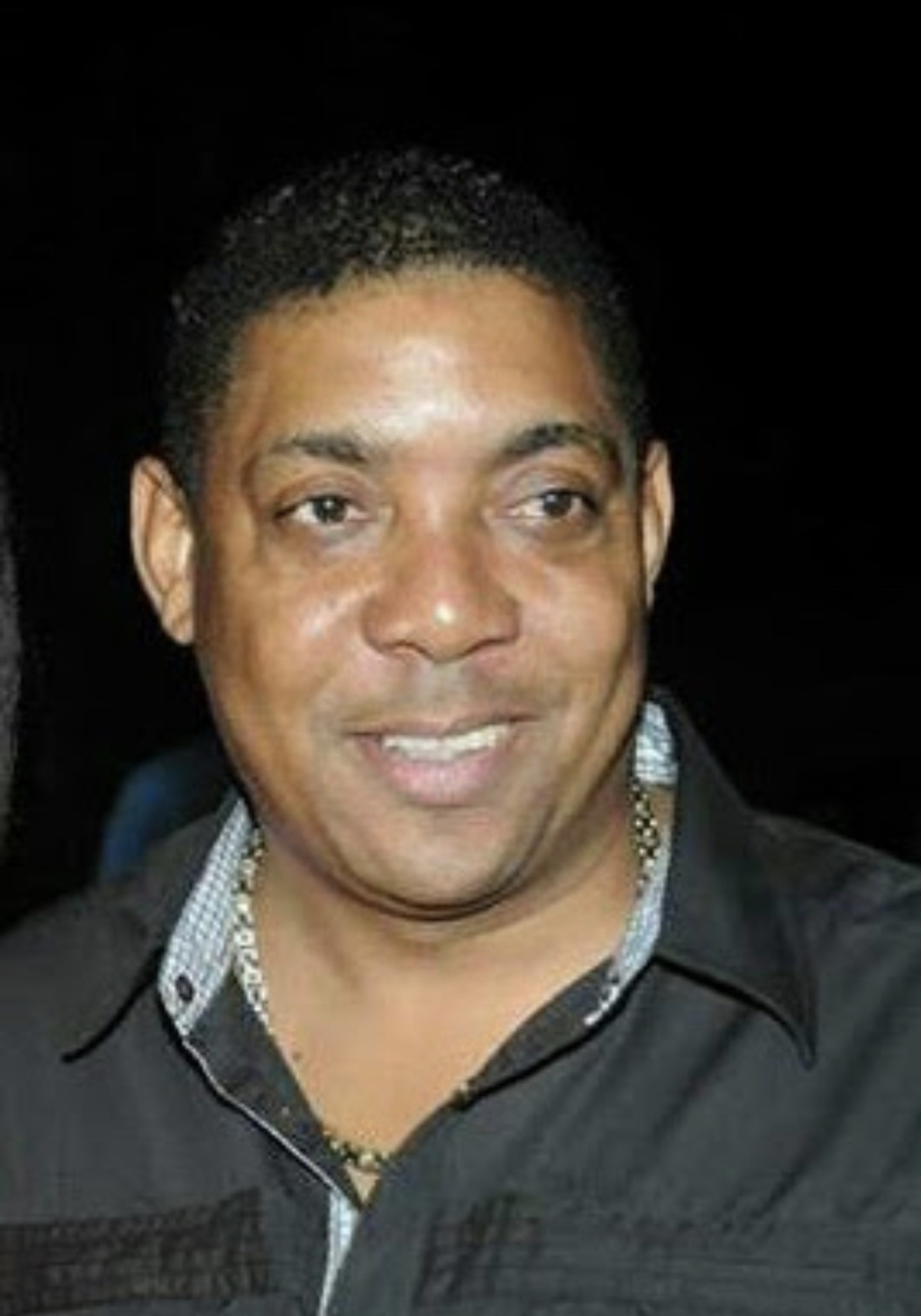
President of the Jamaica Olympic and Paralympic associations, Christopher Samuda, said they are transforming Jamaica into a mecca of education and of practical training for coaches as well as athletes and administrators.
“It’s an ongoing initiative, by the Commonwealth Games Federation and the Commonwealth Games Association of Jamaica to ensure that we not only educate our athletes in terms of the sporting disciplines in which they participate, but also to telegraph to them the principles and the protocols of the Commonwealth Games movement,” said Samuda.
“This is something that we have always felt that the Jamaica Paralympic Association must be in place, not only to profile the Commonwealth Games Association in Jamaica, but also to demonstrate the importance of para-athletes to the sporting asset of this country,” he added.
It is aligned with the ‘One Year to Go’ milestone for the 2026 Commonwealth Games in Glasgow which will feature the largest para sport programme in Commonwealth Games history.

“We’re encouraging the Commonwealth Games Federation to make Jamaica to be the hub of the GAPS program. We already are the hub for paralympic development from an international paralympic committee perspective,” Samuda pointed out.
Dr Akshai Mansingh, Dean, Faculty of Sport at the UWI Mona campus, pointed out that the GAPS initiative is one of the Commonwealth Games Federation, which is trying not just to be competitive in nature, but inclusive in nature for all para-athletes and people with disabilities.
“We recognise that para sport is an important part of our own national sporting agenda. In fact, before our golden era in athletics in February, our para athletes had actually earned us more or won us more medals than our able-bodied athletes had,” Dr Mansingh revealed.
“Now, what we need to do is to expand the pool of people who get interested in sport, who have disabilities. Unfortunately, in Jamaica, as in many countries, people with disability don’t have the opportunities or are aware of the opportunities that are out there,” he added.
“Sport is certainly one way that they cannot only participate, but actually even earn. So, we’re happy that we can provide this, not just to Jamaican para-athletes, but athletes from throughout the Caribbean,” said Dr Mansingh.
GAPS is not just a training programme, it is a movement dedicated to building inclusive sport pathways and fostering social change throughout the Commonwealth and the President of Commonwealth Sport in Uganda, Dr Donald Rukare supported the initiative.
“At Commonwealth Sport we are fully supportive of it. We believe in the power of sports to unite all athletes of various abilities and we are particularly happy through GAPS programme we are able to promote inclusive sport, bringing people with disabilities into the mainstream sport, especially women and children,” said Dr Rukare.
“And we’re very happy that the second edition of the GAPS program is being held in the beautiful city of Kingston. We hope you find this camp very insightful, very useful, and we look forward to a successful holding of this second GAPS camp,” he added.
Meanwhile, para field events athlete, Dushane Davis, is excited about rubbing shoulders with fellow Caribbean athletes and eager to learn as much during the camp.
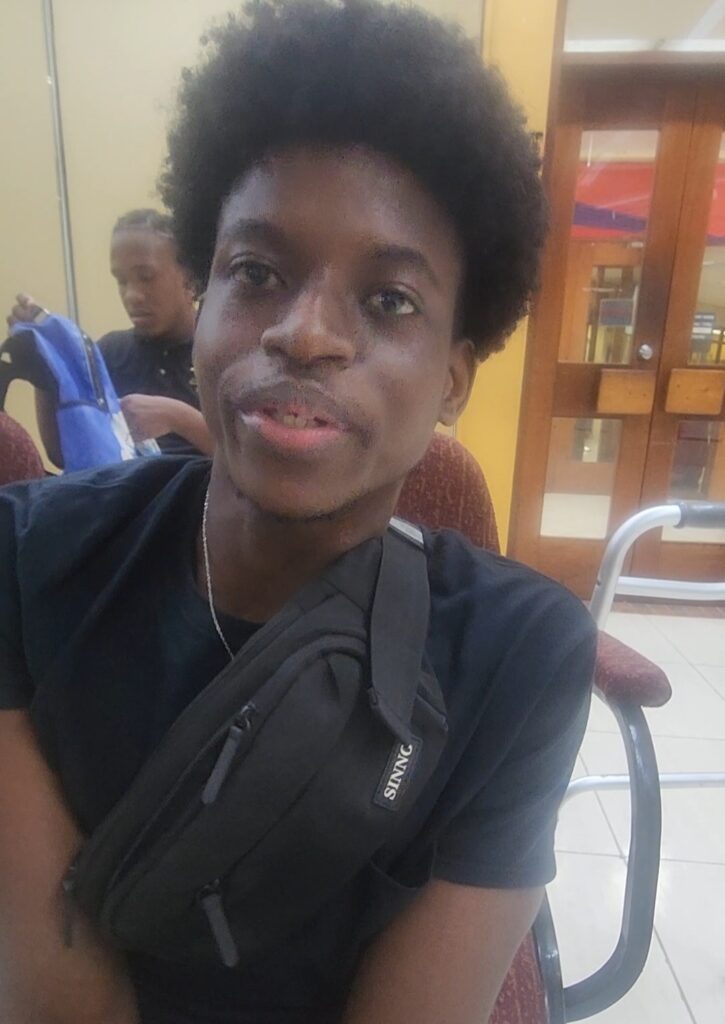
“I am looking forward to the camp to learn from all athletes all over the Caribbean and just looking to develop and to improve on all the stuff I have already learnt before and I am aiming for a world record this year,” said Davis.
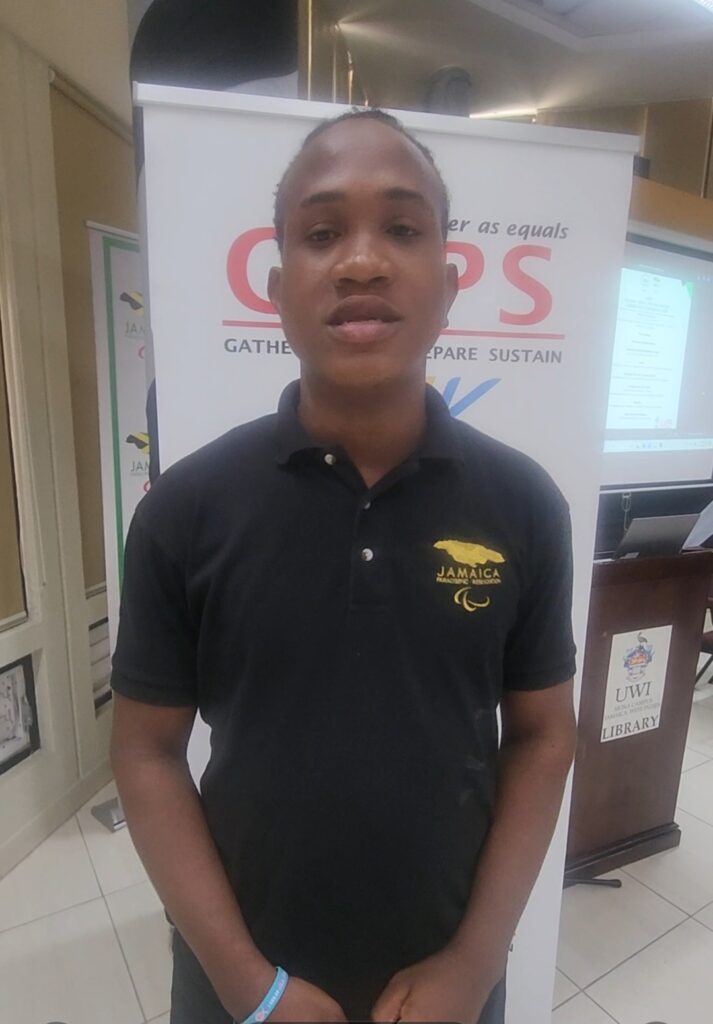
Christopher Bourne, long jumper and 400m, is also looking forward to the camp with enthusiasm and hopes it will help him gain a medal next year. “This GAPS camp will teach a lot and will allow me to meet new Caribbean friends”.
Veteran coach Neville Sinclair, is glad for the opportunity to pass on his knowledge to them in what he believes will only advance the coaches and the athletes.
“First, I must say it’s a very refreshing feeling of the camp and what this does it opens the door for more athletes and persons who want to become new para coaches,” said Sinclair.
“We have able bodies who want to be para-coach, but it’s not as easy as coaching able bodies because when it comes onto to para-athletes you have different classes with different disabilities and different mobilisation,” he explained.
“So, there is quite a vast difference and I am sure these new coaches will learn and enjoy it. So, it’s a wonderful thing the GAPS camp is being held here and Caribbean countries will be happy to learn new things,” said Sinclair.


Comments