
JET calls for Jamaican beaches to be recognised as a public commons and held in public trust

/ Our Today
administrator
As public debate continues around beach access and Jamaica’s Beach Access and Management Policy (March 2026), the Jamaica Environment Trust (JET) is calling for the discussion to focus on the fundamental issue at the heart of beach access: Jamaica’s beaches should be recognised as a public commons, held in public trust. In simple terms, this means that access to our beaches should not depend on who owns the land or who has a licence to operate there.
The Policy’s Vision and Principles frame access as something to be “provided” or “maintained”. This is a management objective, rather than a pre-existing right. This leaves access dependent on discretionary implementation rather than legal entitlement. The Policy does not explicitly recognise beaches as a public commons held in public trust, or access as a matter of public right.
JET’s review finds that, while the 2026 Policy represents an important and long-awaited attempt to address Jamaica’s beach access challenges, it does not go far enough to resolve this fundamental issue.

The Policy proposes amendments to establish a “qualified right” of public access to the foreshore. However, access continues to be shaped by ownership, licensing arrangements and discretionary mechanisms. In particular, the Policy defines a “public beach” by reference to government ownership. This leaves a significant gap for beaches that are privately owned but have long functioned as traditional public bathing beaches or fishing beaches.
“As the debate continues, we should not lose sight of the fundamental issue by becoming caught up in debates over the figures of what percentage of beach is open to the public,” said Dr. Theresa Rodriguez-Moodie, CEO of JET. “The bigger question is whether our beaches are a public commons, or whether access depends on who owns the land or holds a licence.”
“A beach does not cease to be important to the public simply because the underlying land is privately owned. We need a legal framework that protects longstanding public and fishing access and ensures that people can actually reach the shore.”
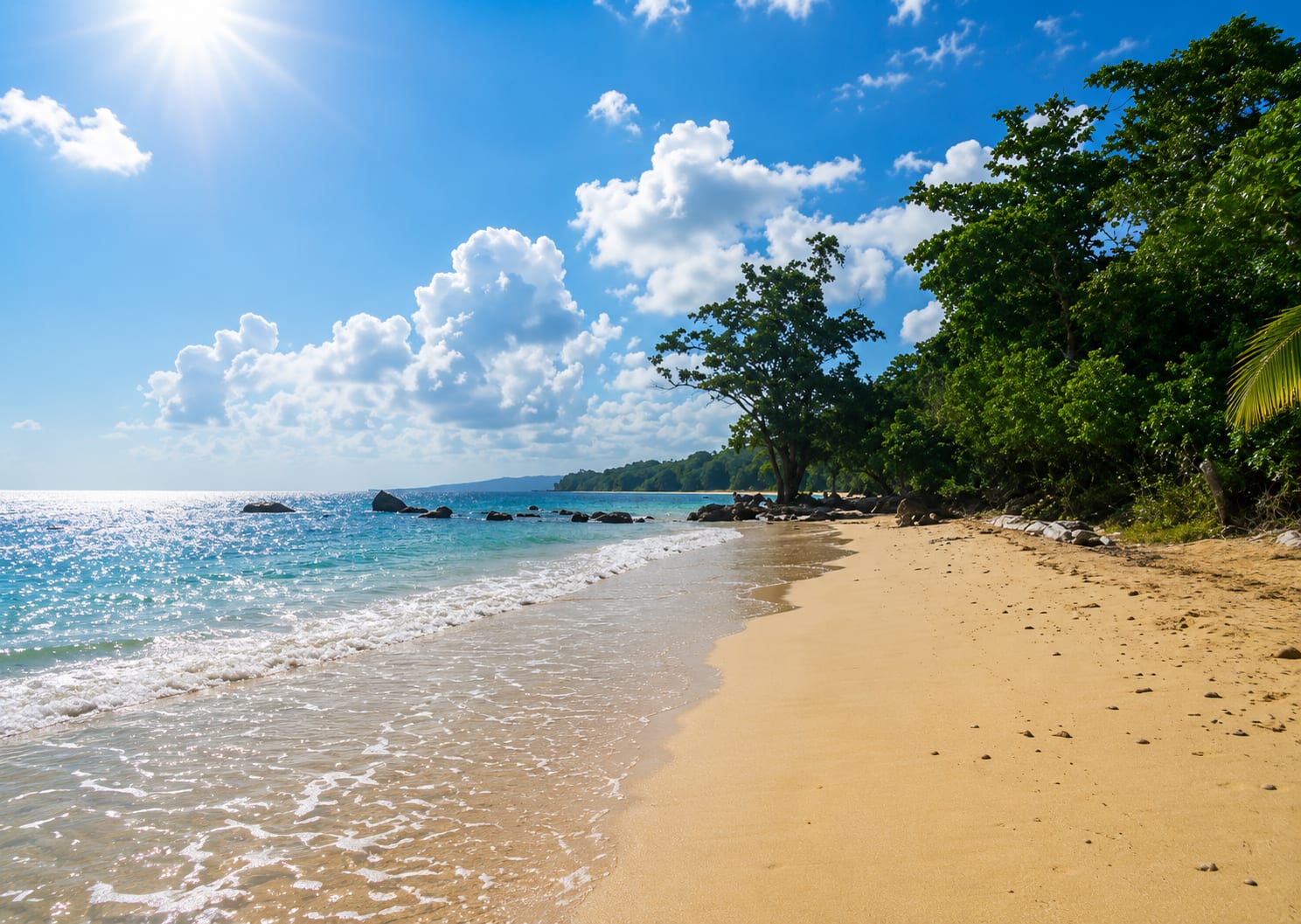
JET’s review identifies four key areas where the Policy should be strengthened:
- Establish a clear and enforceable public right of access, including secure landward access to beaches;
- Protect traditional public bathing and fishing beaches, including those on privately owned land;
- Prevent fees, structures, development and licence conditions from becoming barriers to public access; and
- Strengthen protection of natural beaches and coastal ecosystems, alongside stronger monitoring, enforcement and institutional arrangements.
JET emphasises that beach access reform does not mean that every beach should be opened without regard to environmental protection, safety, property rights or legitimate commercial interests. Rather, Jamaica needs a framework that balances these interests while establishing public access as the starting point, rather than a privilege that can be granted or withdrawn.
The 2026 Policy provides an important opportunity to resolve an issue that has remained unsettled for decades. JET is calling on the Government to move beyond its commitment to provide one public beach per parish to establish a rights-based framework that recognises Jamaica’s beaches as a shared national resource- protecting access, livelihoods, environmental integrity and the interests of present and future generations.
For JET’s full report click here




Comments