
JET raises serious concerns over wetland removal permits in falmouth conservation zones

/ Our Today
administrator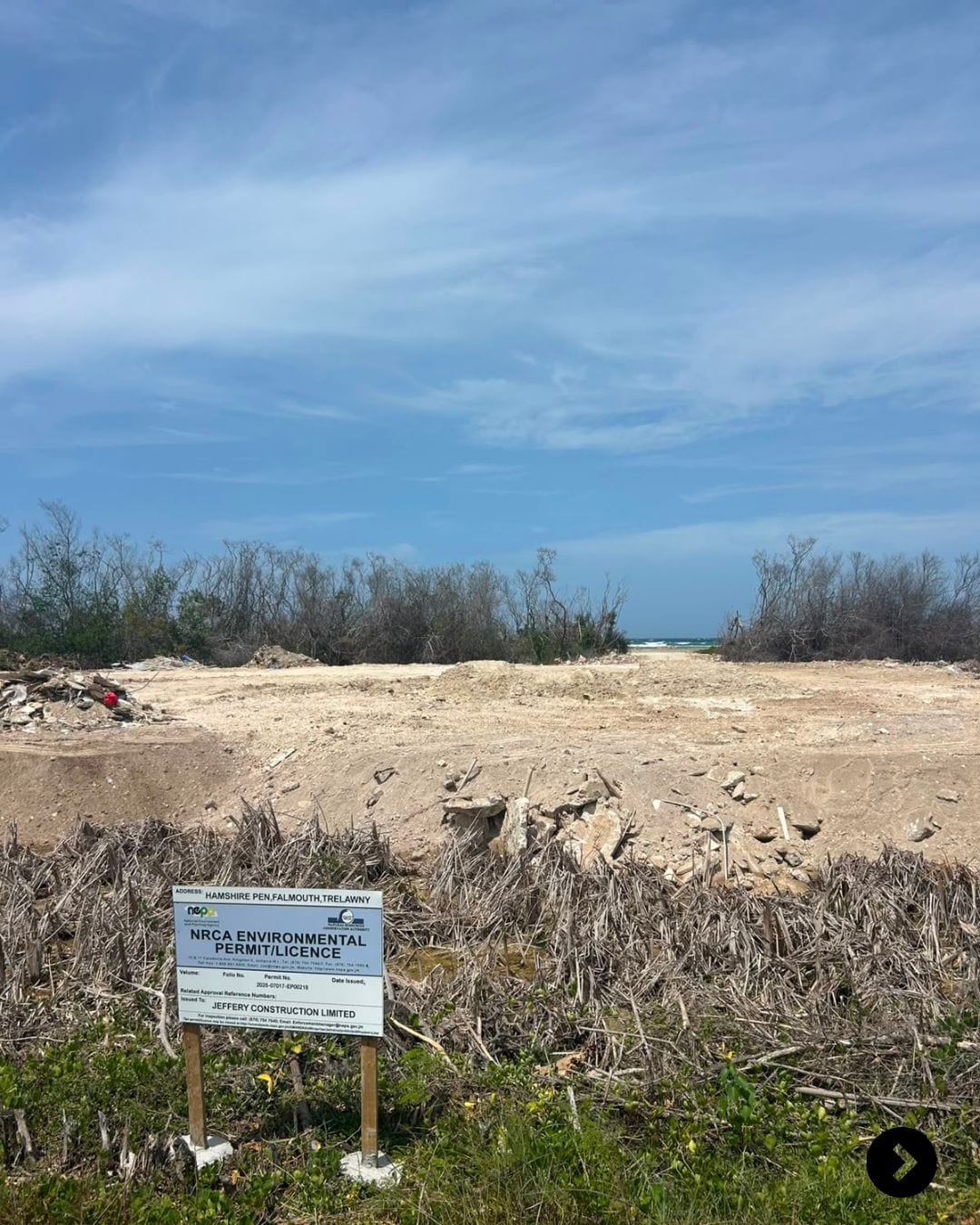
The Jamaica Environment Trust (JET) is raising serious concerns about permits issued by the Natural Resources Conservation Authority (NRCA) for wetland removal and development along an approximately five-kilometre stretch of the north coast road in Falmouth, Trelawny.
JET has identified six permits associated with five sites in the area:
- Permit No. 2026-07017-EP00218 – Jeffery Construction Limited
- Permit No. 2026-07017-EP0025 – Caoli Holding Limited
- Permit No. 2025-0707-EP00404 – Supreme Group Limited
- Permit No. 2026-07017-EP00177 – Ravi Rochlani
- Permit No. 2022-07017-EP00206 and 2025-07007-PB00151 – Redoubt Limited
According to the Town and Country Planning (Trelawny Parish) Development Order, 2013, the areas associated with these permits are zoned for Conservation.
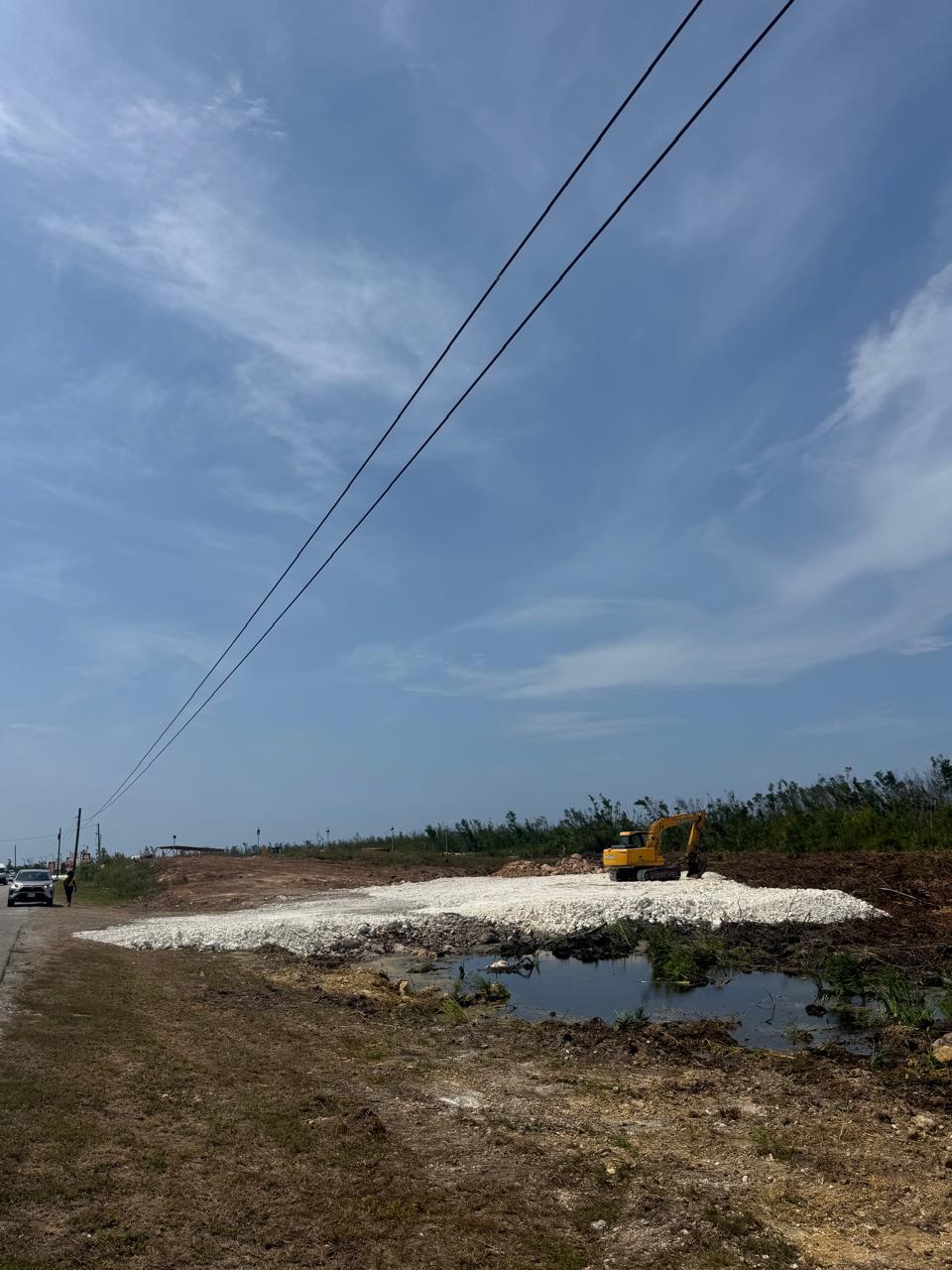
“What is the point of having Development Orders if we are going to ignore them? How can we designate areas for Conservation and then permit development in those same areas?” asked JET Chief Executive Officer Dr. Theresa Rodriguez-Moodie. “The NRCA/National Environment and Planning Agency has a responsibility to ensure that environmental and planning considerations actually guide decisions about what development is permitted.”
JET’s concerns come at a time when the Government has itself highlighted the importance of wetlands to Jamaica’s development and resilience.
Speaking at a JIS Think Tank earlier this year, Minister of Water, Environment and Climate Change Matthew Samuda said wetlands play a direct role in advancing several of Jamaica’s national outcomes under Vision 2030, including climate resilience, sustainable livelihoods, water security and biodiversity conservation. The Minister also described wetlands as critical to protecting communities and supporting development in harmony with nature, and highlighted ecosystem-based adaptation as a cost-effective approach to climate resilience.
“The Minister is right, but if wetlands are critical to climate resilience, then protecting them has to be reflected in the decisions being made by our environmental and planning authorities,” said Dr. Rodriguez-Moodie. “We cannot talk about ecosystem-based adaptation on one hand and permit the removal of wetlands on the other.”

This is particularly significant following Hurricane Melissa, which severely impacted natural ecosystems across Jamaica and highlighted the importance of natural systems in reducing vulnerability to flooding and other climate impacts.
JET has written to NEPA seeking information and documentation relating to the permits, including the environmental and technical assessments undertaken, how the Conservation zoning was considered, whether cumulative impacts were assessed, what mitigation or restoration measures were required, and whether comments or objections were received from other government entities.
JET has also requested copies of the permits. The organisation has been unable to access copies of the permits through NEPA’s online permit/application tracking system.
“The Government has recognised that wetlands are an investment in Jamaica’s resilience. The question is whether our permitting decisions reflect that recognition,” said Dr. Rodriguez-Moodie. “Now more than ever, we need to protect the natural systems that protect us.”





Comments