
Melissa relief money was available but slow to reach Jamaicans, BOJ governor says

/ Our Today
administrator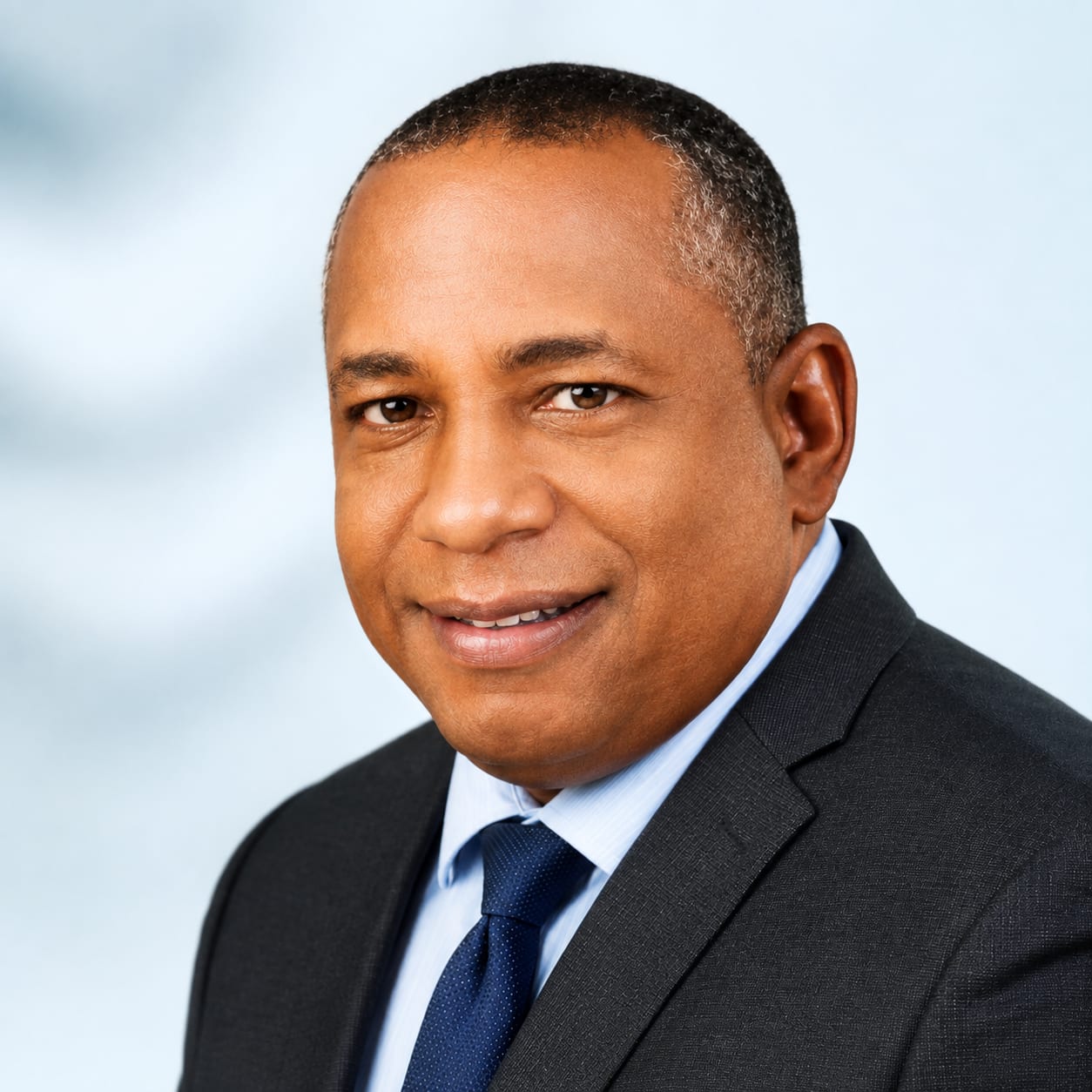
Jamaica had the money to respond to Hurricane Melissa but could not move it quickly enough to the people who needed it, Bank of Jamaica Governor Dr Brian Langrin said on Thursday, October 8, 2026.
Speaking at the Institute of Chartered Accountants of Jamaica’s 2026 Business Conference, Langrin said the storm did not break the core of the financial system. It “exposed the gap between liquidity and delivery,” he said.
The Category 5 hurricane struck the island’s southwest on 28 October last year. The Inter-American Development Bank’s post-disaster assessment put damage and economic losses at about US$12.2 billion, close to 57 per cent of gross domestic product.
By the governor’s account, the financial buffers worked. Jamaica’s US$150 million catastrophe bond was triggered in full. Deposit-taking institutions stayed above their capital and liquidity thresholds, and bad loans rose only modestly.
The trouble came further down the chain. Power and telecommunications failed, roads closed, and bank branches could not open. Cash ran short just as people needed it most. Remittances arrived late and at higher cost, Langrin said, and small businesses without reliable records struggled to prove their losses to insurers and lenders.
“The last mile became the hardest mile,” he said.
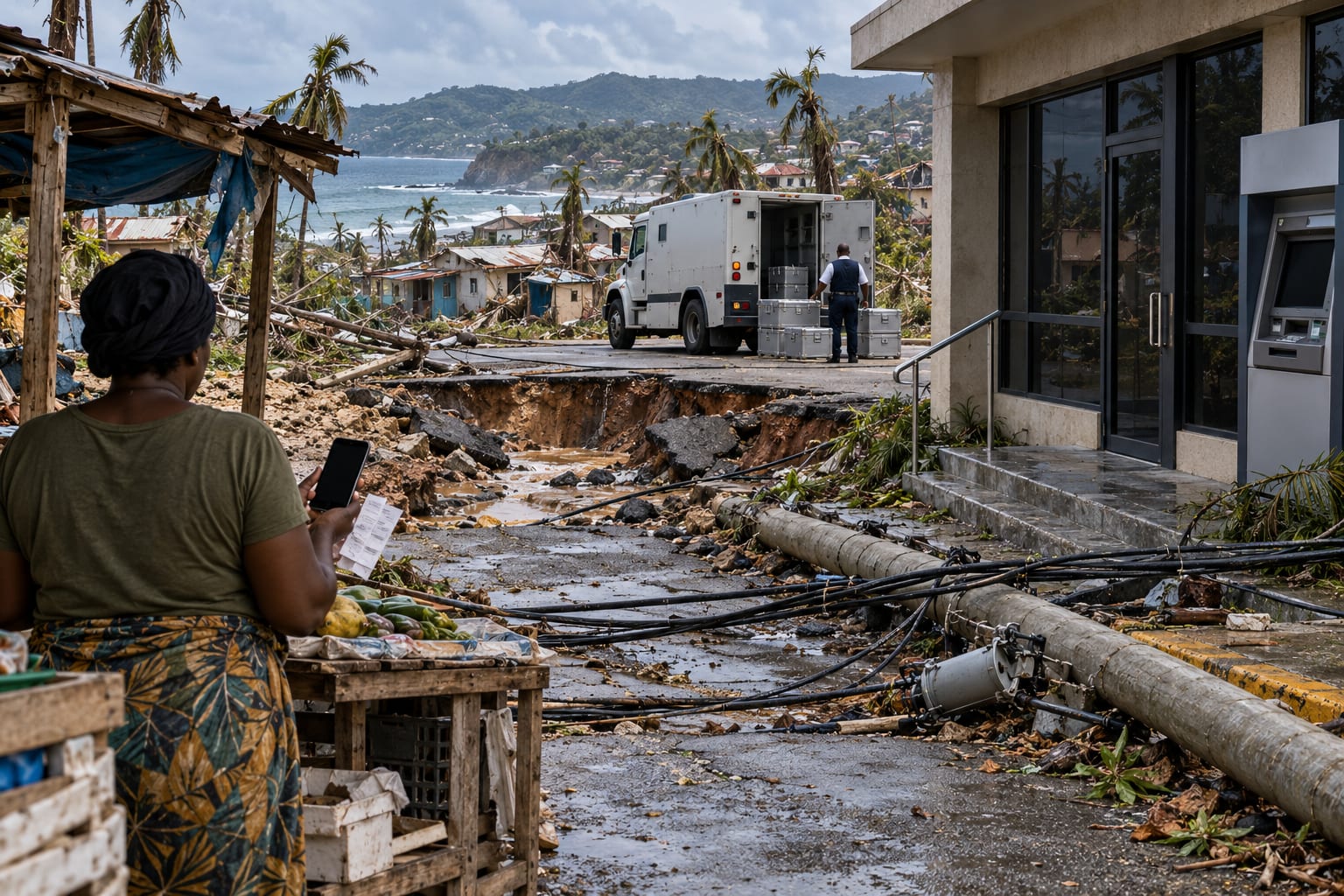
A catastrophe bond releases money to the government, Langrin said, but the job is not done until support reaches the farmer replacing a roof or the small business reopening its doors. He said payment arrangements built to withstand shocks should sit alongside reserves, insurance and contingent financing in the national framework for managing disaster risk.
JAM-DEX, the central bank’s digital currency, is part of that plan but would not carry it alone. Langrin said it would operate alongside the automated clearing house, the real-time gross settlement system and regulated accounts, so that several routes remain open when one goes down.
The Bank is working with the World Bank’s Finance, Competitiveness and Innovation team and the International Finance Corporation on widening merchant acceptance, connecting institutions that sit outside the main payment infrastructure and lowering the cost of taking part.
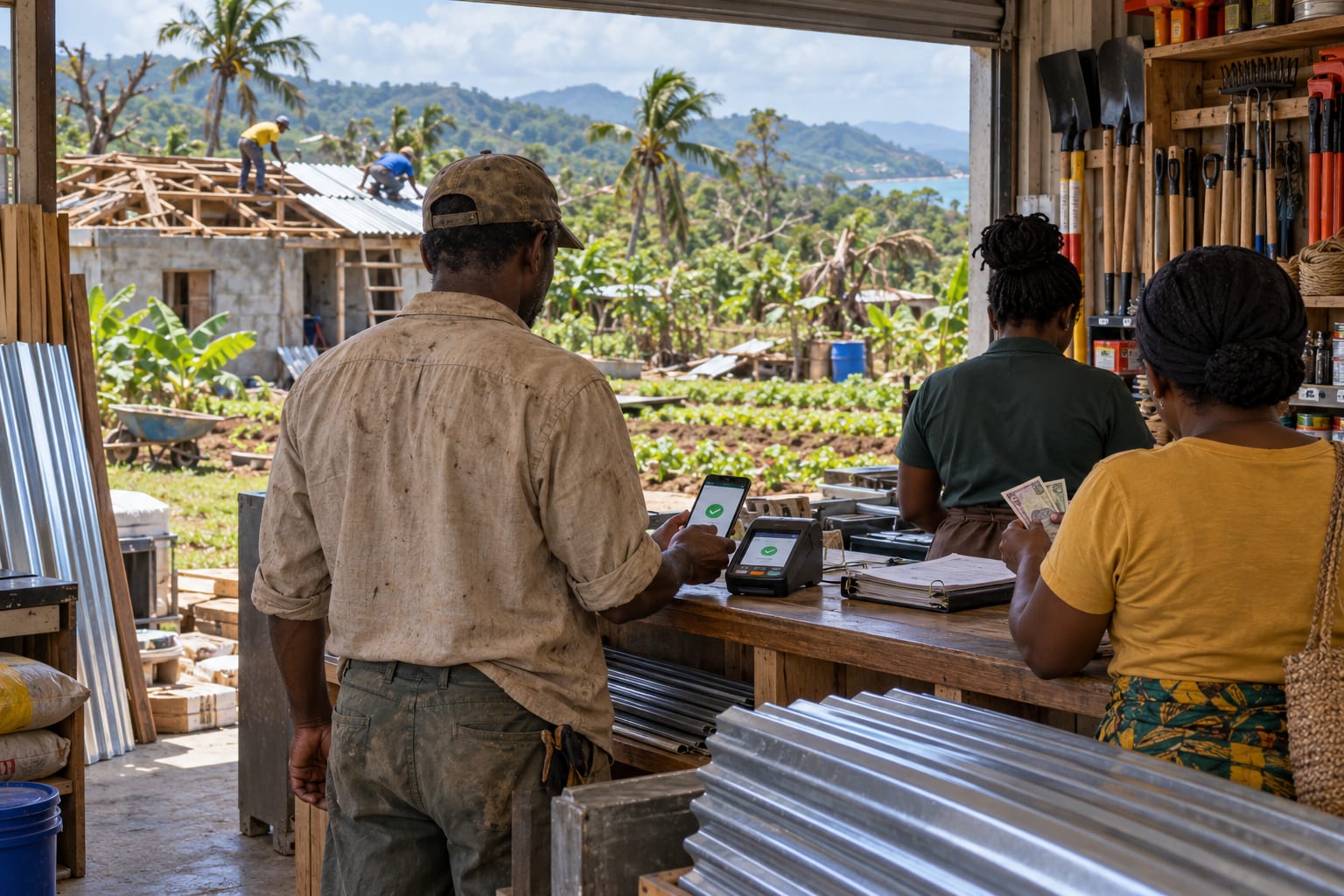
Between emergencies, Langrin said, small test transactions could confirm that accounts and wallets are still reachable and that merchants can accept payment. Testing could also cover offline use and cash-out.
He also raised the prospect of a national disaster-disbursement simulation, but gave no date and said the decision belongs to the responsible public authorities and delivery partners, which he did not name. Those authorities would also keep responsibility for identifying beneficiaries.
Cash will remain legal tender, and the use of digital money will stay voluntary, he said.
Langrin asked the accountants’ institute to help design the controls, reconciliation and reporting for any such exercise, and to help businesses keep records that survive a disaster.
The speech came nine days after the Monetary Policy Committee raised the policy rate by 50 basis points to 6.0 per cent, with inflation at 7.9 per cent in August. Langrin tied the two issues together, saying faster payments can speed recovery and lower the risk that disruption feeds lasting pressure on prices.
Jamaica marks one year since Melissa’s landfall on 28 October.


Comments