
New ‘Local First’ Jamaican tourism policy explained

/ Our Today
administrator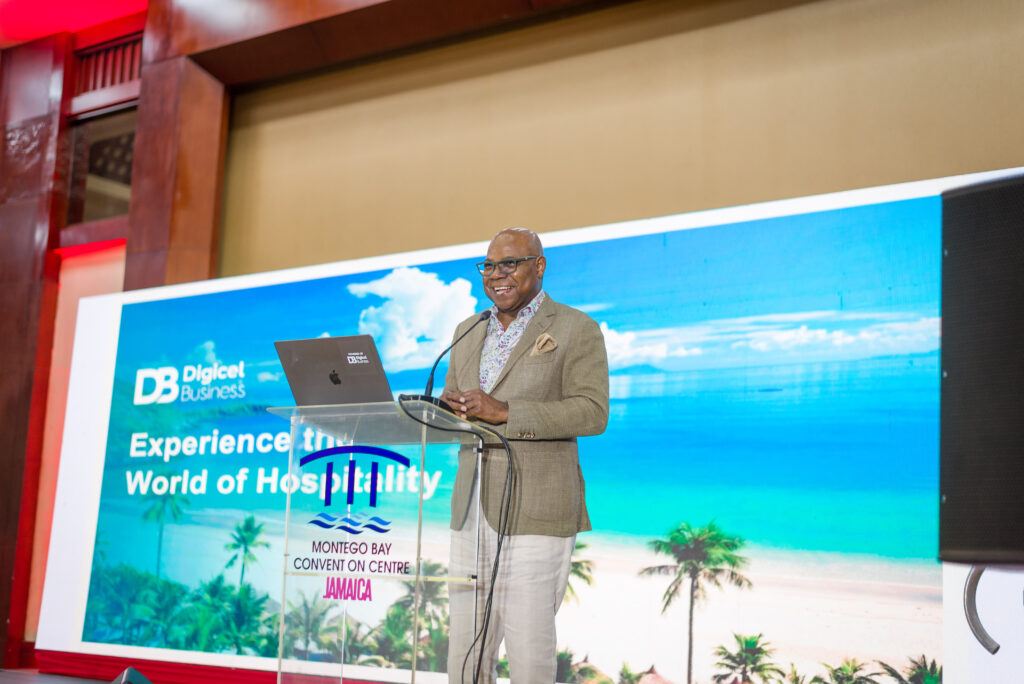
Durrant Pate/Contributor
Jamaica has developed a new sub-tourism policy dubbed ‘Local First’, which is positioning the country as an Executive luxury tourism hub while simultaneously increasing citizen participation in its tourism developments.
This new sub-policy aligns with the government’s intention to guarantee that community members directly receive the advantages that come with the investments in premier tourism developments throughout the island. In fact, it is a key element of the government’s vision for the future of Jamaica’s tourism industry.
By requiring developers to form partnerships with local communities, the policy aims to ensure that economic benefits from large-scale tourism projects stay within the local economy. This move aligns with the government’s ongoing efforts to foster sustainability and create opportunities for local businesses.
Shift in Jamaica’s tourism strategy
Jamaica’s tourism authorities have signalled this shift in the country’s tourism strategy with the new Local First policy, which emphasizes community engagement and sustainable development. Extensive investments in luxury tourism mark Jamaica’s ascent as a top destination for discerning travellers seeking luxury and local authenticity.
With the upcoming construction of projects like Vista Montego Bay Resort, Jamaica’s position in the global tourism market is set to flourish. In addition to creating jobs for Jamaicans, the policy will encourage investments in goods and services provided by local suppliers, strengthening the economic fabric of the country.
The government has already committed to promoting high-quality tourism developments that integrate seamlessly with local communities, fostering a balanced relationship between growth and sustainability.
Montego Bay, prime example of the new direction
Montego Bay, a key tourist destination in Jamaica is undergoing a transformation piloting this Local First policy that is designed to make it even more attractive to travellers. This development also dovetails with broader urban renewal initiatives, positioning Montego Bay as a modern, globally recognized destination.
As the country attracts more investments, it will continue to build upon the foundations of community-centred tourism, ensuring that economic growth benefits everyone. A significant example of this new direction is the Vista Montego Bay Resort, a US$100-million dollars mixed-use development located on Jimmy Cliff Boulevard.
This project includes a luxury resort, residential units, and commercial amenities, such as restaurants and retail outlets. The first phase of the resort has been completed, and the groundbreaking for the second phase was marked by local officials and business leaders.
The Vista Montego Bay Resort is part of this broader vision, which includes eco-smart architecture and high-end amenities aimed at offering an unforgettable experience for visitors. Local government officials have praised the development, noting that it represents a shift towards a more resilient, inclusive, and sustainable tourism model.
The development will comprise 468-rooms across three towers and additional facilities, making it a prominent landmark in Montego Bay.
Importantly, the Vista Montego Bay Resort is being led by local professionals and managers, ensuring that Jamaican talent plays a vital role in the growth of the island’s tourism sector.
Speaking on the policy Tourism Minister, Edmund Bartlett remarked that Jamaica is now seeking to attract more investments on premium tourism, which appears to incorporate eco-sustainable tourism and community development. This policy aims at making it mandatory for foreign tourists to partner with Jamaicans, thereby ensuring that returns from tourism continually flow for community development.



Comments