PALS calls for conflict resolution to return to the classroom in the wake of stabbing of JC student

/ Our Today
administrator
Peace and Love in Schools (PALS) joins with fellow Jamaicans who condemned Tuesday’s stabbing of a Jamaica College student during a fight involving students from several Corporate Area high schools near the Half-Way Tree Transport Centre. PALS extends its prayers to the injured student, who reportedly underwent emergency surgery, and to his family and school community.
“A child fighting for his life after a dispute on his way home from school should shake every one of us,” said PALS Chairman Christopher Barnes. “With fifty-five critical incidents recorded in a single academic year, and from Irwin High to Porus High, this is no isolated tragedy. Too many of our young people have never been taught how to resolve conflict without a weapon.”
More than 30 years ago, PALS adapted an internationally proven peace education series for Grades 1 to 6. The lessons were approved by the Ministry of Education and taught across the island for several years. Children learned to talk out disputes, manage anger and mediate for their peers. Independent evaluations by the University of the West Indies recorded fewer fights and calmer classrooms. That bold, broad-based initiative needs a reset and a reintroduction.
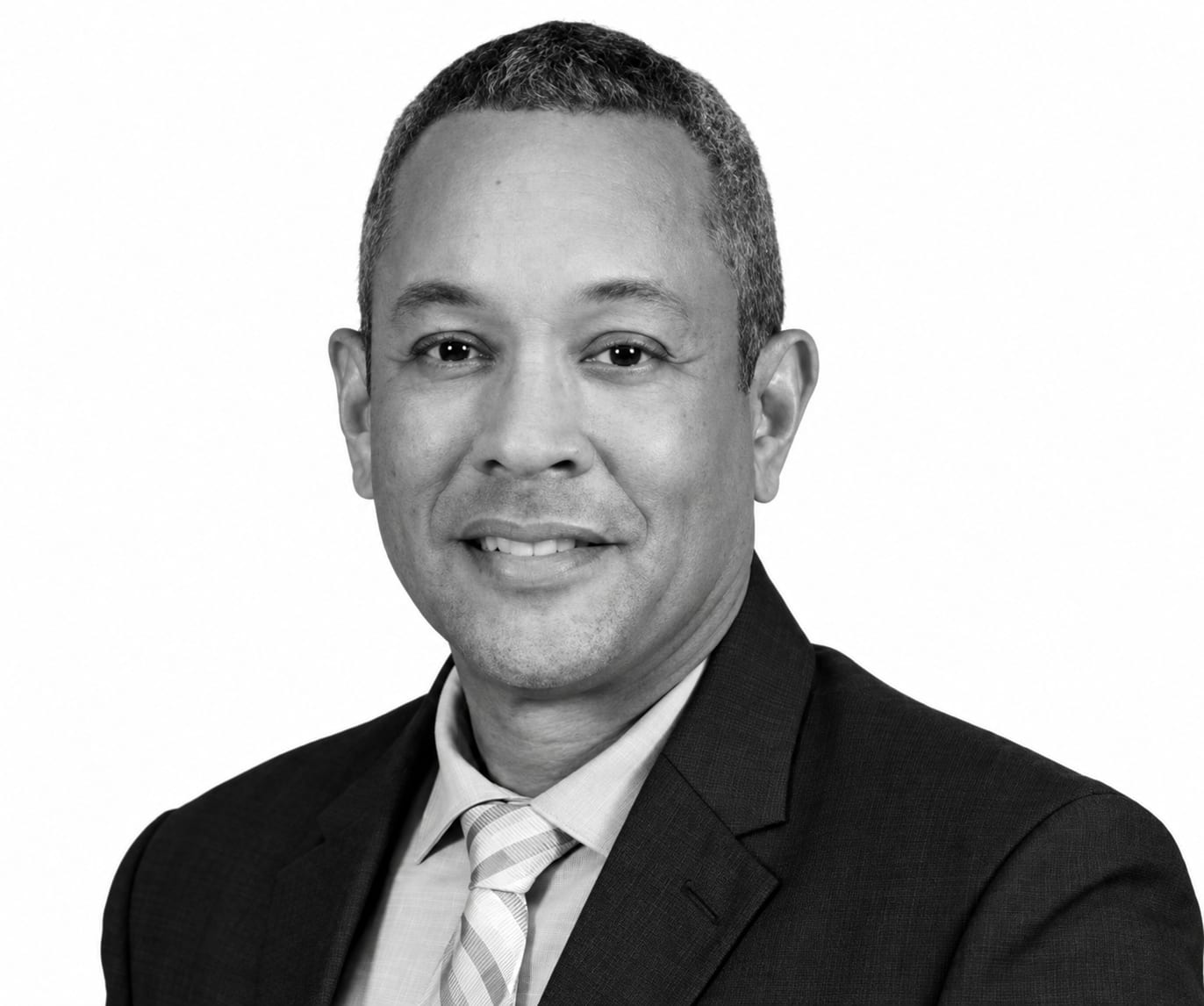
“We know what works because we have done it,” Barnes said. “What we lost was scale and consistency. Conflict resolution must be embedded in the curriculum and taught every year, in every school, not introduced only after a child is hurt.”
PALS is ready now. Its Conflict Resolution Curriculum, Behaviour Modification, Peace Ambassadors and Peer Mediation programmes equip teachers and students to prevent violence before it starts. The curriculum has been digitised and placed online, free to schools and the public, and PALS now sends schools daily conflict- resolution tips for the classroom. The Peace Ambassadors programme, launched last year, holds its inaugural national Forum this November.
PALS is calling on the Ministry of Education and Youth and the Ministry of National Security to partner in restoring structured conflict resolution to the national curriculum. PALS also calls on the private sector, church leaders and corporate CSR programmes to fund the rollout, beginning with schools serving high-risk communities. The scaled-up programme budget is twenty million dollars a year, with administration held below one-third of the total, and annual sponsorships start at two hundred thousand dollars.
“Our children, our future, need these tools to live productive and peaceful lives. Let us give them,” Barnes said.


Comments