
PSOJ calls for decentralisation of COVID-19 testing to improve access, reduce costs

/ Our Today
administrator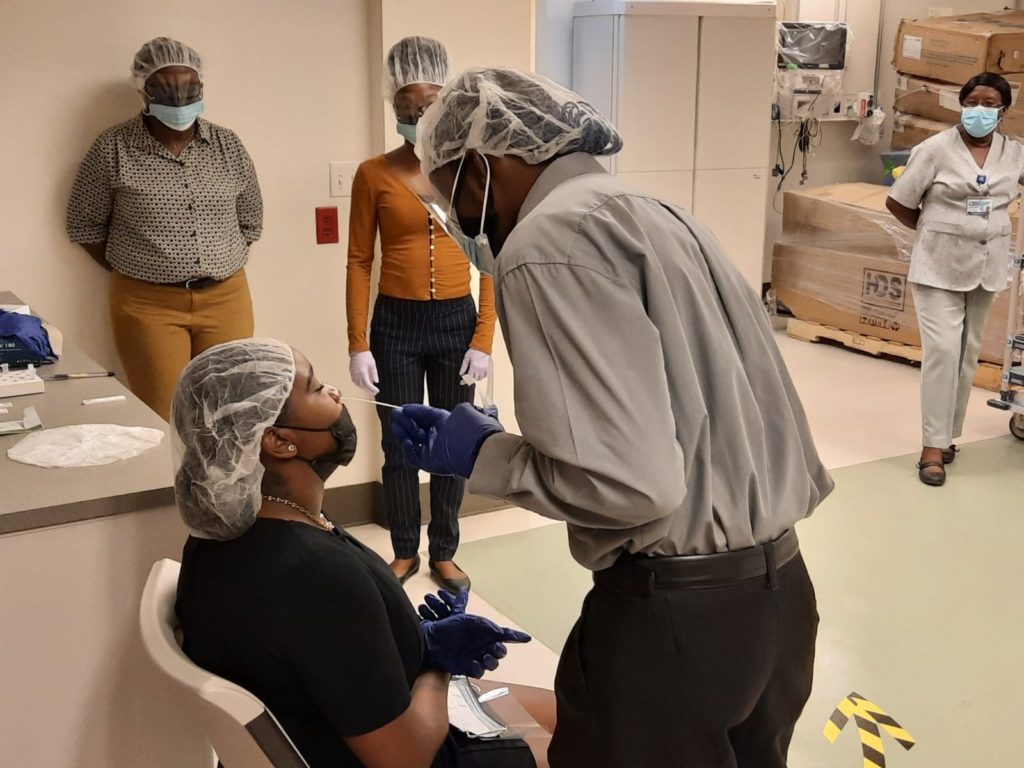
The Private Sector Organisation of Jamaica (PSOJ) has laid out a host of proposals in a push to make rapid COVID-19 testing more affordable and widely available.
In a statement, the PSOJ said it supported the view that affordability and widescale availability were key components to the country’s COVID-19 response and management as it moves into the endemic stage of the campaign and adapt to living with the virus.
“Readily available rapid tests will help to get our society back to operating normally by minimising the spread of the COVID-19 virus,” the PSOJ said.
To date, the PSOJ noted, the testing ecosystem has been criticised for being expensive and inaccessible to a wide cross section of Jamaicans. The average antigen test from a supplier ranges from US$5.50 to US$11 to the labs or healthcare system in Jamaica. The consumer then pays approximately J$7,500 to be tested.

In other countries with decentralised testing, however, antigen testing costs significantly less. For example, in Germany, rapid tests are sold directly to the consumer for under US$1 each and in India they are approximately US$3.50 each.
The PSOJ, in its proposals for reducing testing costs, said the number of doctors doing antigen testing should be expanded.
“Ensure a seamless process for doctors to be accredited for point of care antigen testing,” the PSOJ said.
“The existing testing environment is regulated by both the Jamaica National Agency for Accreditation (JANAAC) and the Ministry of Health and Wellness. The accreditation process is cumbersome as both JANAAC and the health ministry overlap and the process requires extensive documentation, site visits and certification which is simply overkill for a basic point-of-care test which doctors routinely carry out for pregnancy, diabetes among others.”
The PSOJ said it was therefore calling for any existing bottlenecks to be removed and that the data gathering, and verification process be streamlined to allow even more approved testing facilities.
“The PSOJ is recommending that, like the rest of the world, the Government should reconsider its policy position and allow for the use of all antigen tests kits approved by both the WHO and FDA.”
Private Sector Organisation of Jamaica
The PSOJ also proposed that the health ministry should approve more tests.
“Jamaica allows for use of four rapid antigen tests approved for emergency use by the World Health Organisation (WHO). There are 34 rapid antigen tests that have been approved by the US Food and Drug Administration (FDA) which are currently not approved for use in Jamaica,” the PSOJ said.
“The PSOJ is recommending that, like the rest of the world, the Government should reconsider its policy position and allow for the use of all antigen tests kits approved by both the WHO and FDA. Expanding the options will provide least costly antigen tests.”
In a third proposal, PSOJ said allowances should be give for self-administered tests.
“Consideration must also be made to increase the COVID-19 test delivery channels through options such as on-site testing by non-accredited third parties, home/self-testing kits,” the PSOJ said.
“This availability of tests for both point of care and self-administered/home tests will allow for individuals, families and by extension communities to minimise the spread of the virus.”

Turning to screening and testing in the workplace, the PSOJ said greater availability of tests and access to point-of-care tests by doctors would allow for regular testing and screening for COVID in the workplace, which it said would only impact in minimising spread and lost productivity.
With that in mind, the PSOJ proposed a zero rate tax on COVID antigen tests.
“Rapid antigen tests allow persons to learn their status in minutes and with this timely knowledge can mitigate the spread of the virus,” The PSOJ said.
“Therefore, the ecosystem must be improved to allow for the importation of a variety of test at affordable price points to be undertaken by more entities such as doctors, nurse, workplaces, and individuals. We need to shift the power in the hands of the people to complement efforts of the Government and private labs.”





Comments