
Scotia Group’s buyout vote hinges on minority shareholders alone, not Its 73% parent

/ Our Today
administrator
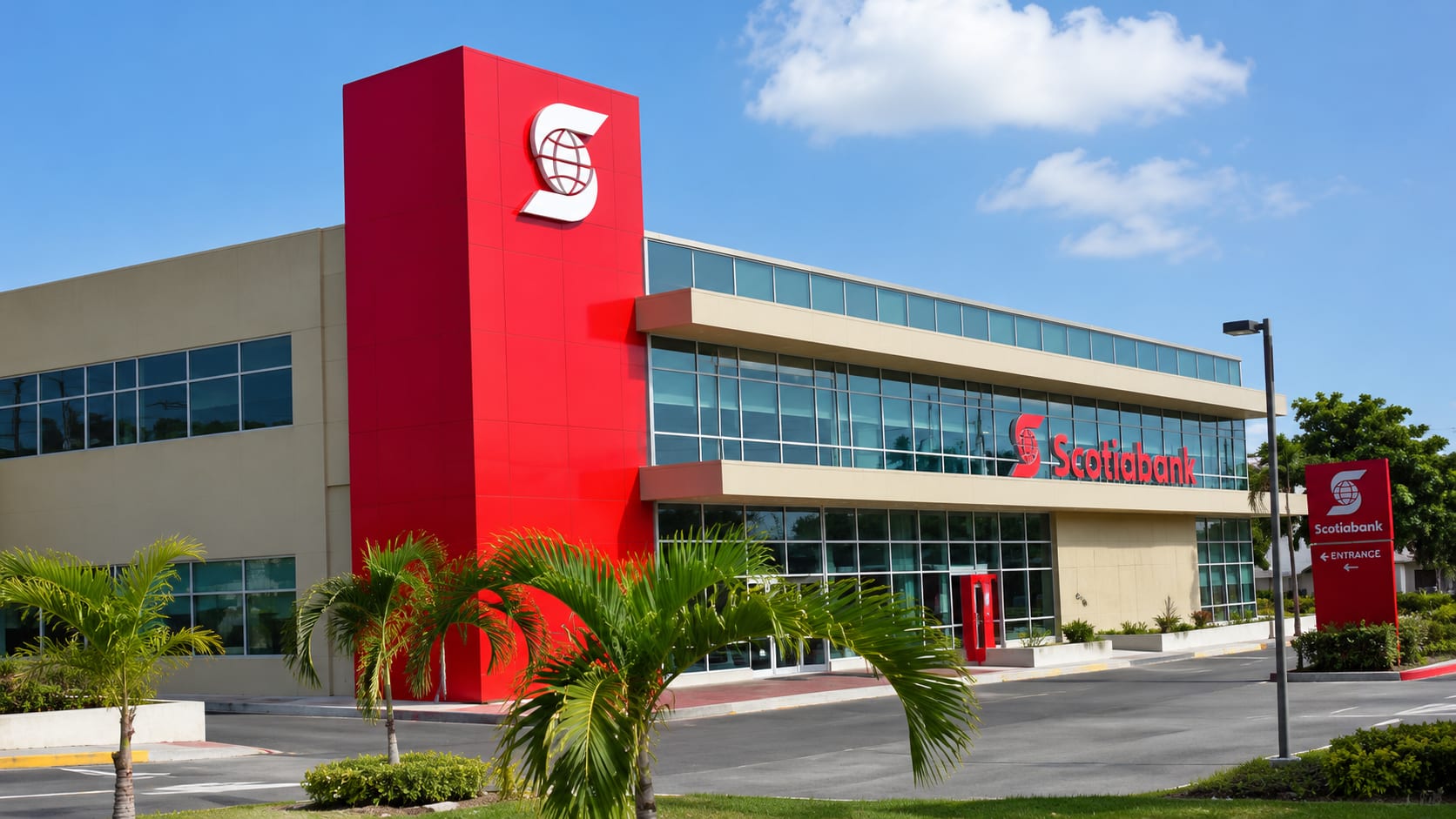
Scotiabank Caribbean Holdings Limited holds 72.76% of Scotia Group Jamaica Limited as of July 31, 2026, according to a shareholdings report filed with the Jamaica Central Securities Depository. Combined with the next nine largest holders, ownership concentration at the top reaches 82.56% of the company’s 3.11 billion issued shares. Yet under the structure of the proposed privatisation, that dominant stake will not decide the outcome on October 7.
Scotiabank announced in June that it would take Scotia Group private, offering to repurchase all shares SCHL does not already own at J$61.50 in cash per share, a transaction valued at roughly $54 billion. The offer represented about a 13% premium to the 30-day volume-weighted average trading price on the Jamaica Stock Exchange before the announcement. A committee of independent directors unanimously recommended the deal.
The transaction proceeds through a court-approved Scheme of Arrangement under Jamaica’s Companies Act, 2004. In July, the Supreme Court granted an order under section 206 permitting Scotia Group to convene separate meetings for SCHL and for minority shareholders. That separation is the mechanism that limits the majority owner’s leverage over the vote: SCHL’s shares are excluded from the count that determines whether the scheme passes among minority holders.

To succeed, the scheme needs support from more than half of minority shareholders present and voting, counted by number, and from holders representing at least 75% of the value of shares voted by that group. Both thresholds must be met. Passing the shareholder vote does not complete the deal on its own. The scheme must then return to the Supreme Court for sanction, and the court can decline to approve it even after shareholders vote in favor.
That two-step structure, a minority-only vote followed by judicial sanction, is the principal protection built into Jamaican company law for shareholders in a going-private transaction of this kind. It prevents a controlling shareholder from simply outvoting the minority, since SCHL cannot vote its own 72.76% stake in the meeting that approves the buyout of everyone else. The independent committee process, in which conflicted directors recused themselves before recommending the deal, is a further layer of protection, though it depends on the committee’s independence rather than a statutory shareholder right.
What the process does not offer is a mechanism for minority shareholders to demand a higher price outside the vote itself. Their leverage lies in withholding approval or in raising objections at the court sanction hearing, not in a separate appraisal or dissent remedy. If the scheme fails to clear either voting threshold, or if the Supreme Court declines to sanction it, the transaction cannot proceed in its current form.
Separately, filings show Scotia Group’s own directors hold a combined 0.006% of shares, and senior managers hold about 0.058%, positioning both groups as observers rather than material voting blocs in the outcome.
If approved and sanctioned, the deal is expected to close in the fourth quarter of 2026, with SGJL shares delisted from the Jamaica Stock Exchange.

Comments