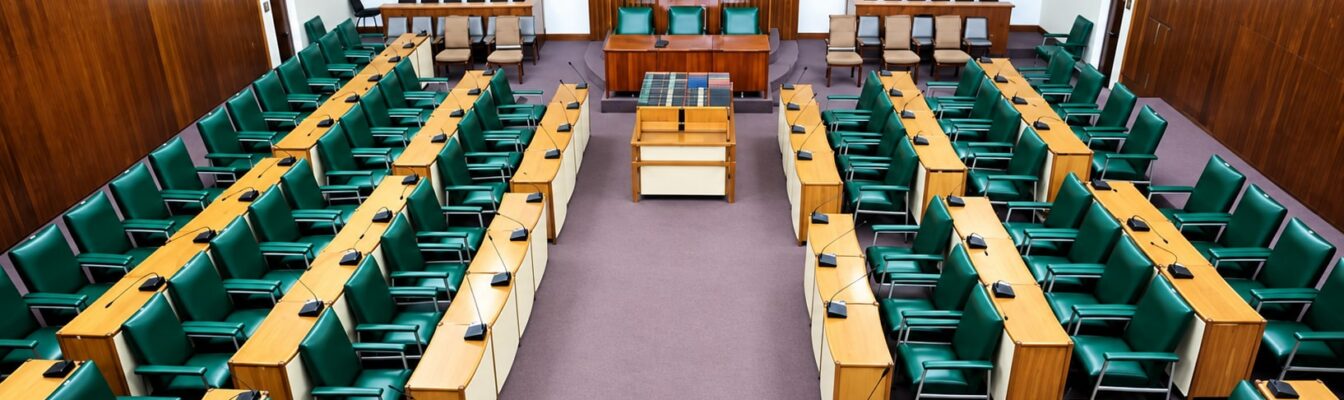
Senate passes environmental levy bill after certification error; higher rate starts October 1

/ Our Today
administrator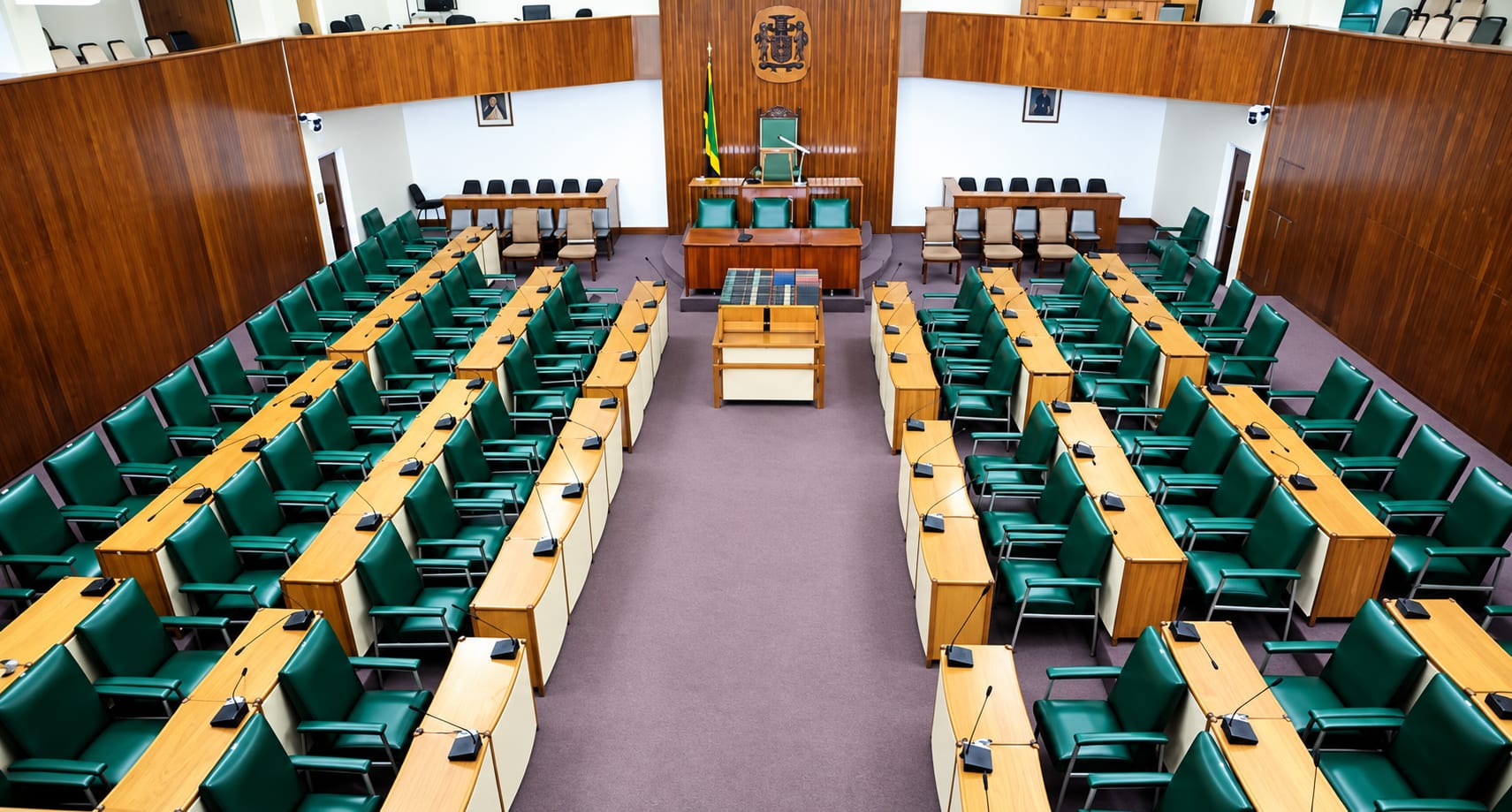
The Senate on Friday passed the Environmental Protection Levy Act 2026, setting October 1 as the start date for a higher levy on imported and locally manufactured goods.
The increase was originally expected to take effect early in the fiscal year.
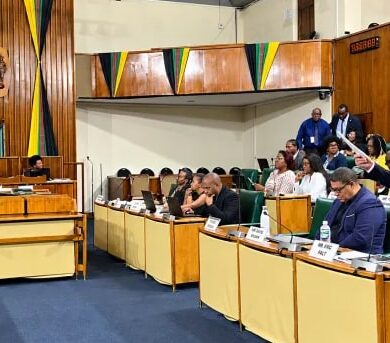
The passage came only after debate was suspended partway through the sitting. During a lunch break, an Opposition senator noticed that the circulated version of the bill had not been certified as a money bill, When senators returned, acting Leader of Government Business Dr Dana Morris Dixon withdrew it, tabled the correct version and acknowledged the lapse should never have happened.
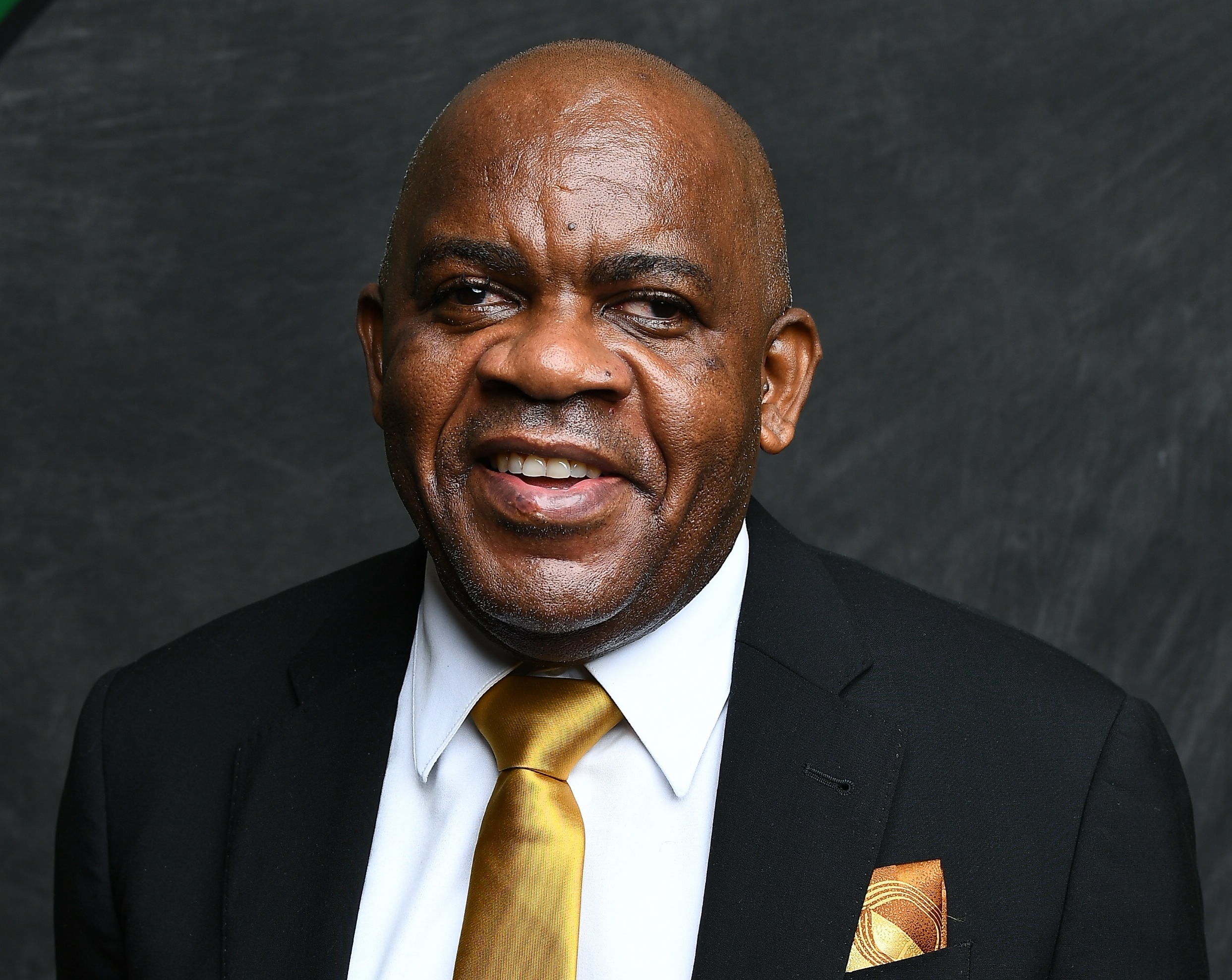
Acting Leader of Opposition Business Dr Floyd Morris called it “a serious and egregious error” and said bills pushed through in a hurry leave lawmakers on both sides little time to scrutinise them.
The new law lifts the levy from 0.5% to 0.85%, according to the Finance Minister Fayval Williams. Locally manufactured goods remain levied on 75% of the selling price before GCT and SCT. Imports are charged on their full cost, insurance and freight (CIF) value.
The first proposal paired a 0.8% rate with widening the domestic base to 100% of manufacturers’ sales. After manufacturers raised concerns about competitiveness, the Government kept the 75% base and set the rate at 0.85%.

Government Senator Keith Duncan, citing the fiscal commissioner, said the five-month delay had cost an estimated J$646 million. He argued that tax changes must be legislated on time so that budgeted programmes are not put at risk.
Opposition Senator Ramon Small-Ferguson put the exposure higher. The Government had projected J$3.6 billion from the increase between May 2026 and March 2027, and on a straight-line basis, he said, roughly J$1.6 billion of that is now at risk. He added that tax and grant receipts for April to June were already J$28.7 billion below budget.
The two estimates were not reconciled during the debate.

Small-Ferguson asked the Government to state how much of the projection it now expects to collect, how it will close the gap, and how much the levy has collected so far and how much has gone to environmental projects. Duncan responded that the proceeds go into the Consolidated Fund and are not formally earmarked, though he maintained the funds are still allocated to environmental needs.
Opposition Leader Mark Golding told the House on Tuesday that the budget had assumed collection from April 1, and questioned the decision to pass the bill on the day it was tabled.
For manufacturers, distributors and retailers, the October 1 start leaves days to build the higher rate into pricing.

Comments